刀鳞鮰 · Knife Livebearer
概要
| 字段 | 值 |
|---|---|
| 类别 | 鱼 |
| 学名 | Alfaro cultratus |
| 别名 | 刀鱗鮰、Messerschwanzkärpfling、Petalosoma cultratum、Petalosoma amazonum、Alfaro acutiventralis |
| 分类 | 鳉形目 Cyprinodontiformes › 花鳉科 Poeciliidae › Alfaro |
| 水体 | 淡水 |
| 原产地 | 哥斯达黎加、尼加拉瓜、巴拿马 |
| 成体体长 | 7.5 cm |
| 饲养难度 | 入门 |
| 外部数据 | seriouslyfish alfaro-cultratus;fishbase 46449 |
| 游动层 | 上层 |
| 繁殖方式 | 卵胎生 |
水质参数
| 参数 | 耐受范围 | 最适范围 | 单位 |
|---|---|---|---|
| 水温 | 24–28 | — | °C |
| pH | 6–8 | — | — |
| 总硬度 | 5–20 | — | dGH |
概述
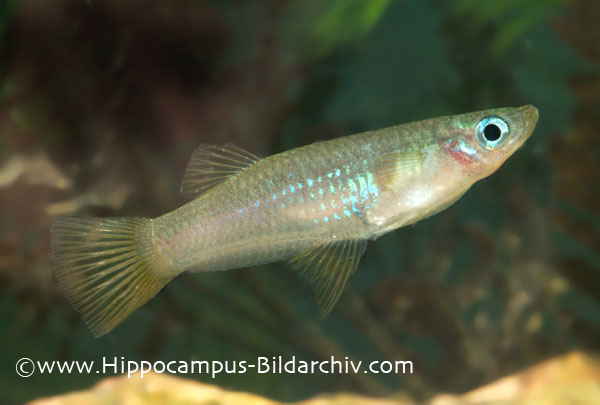
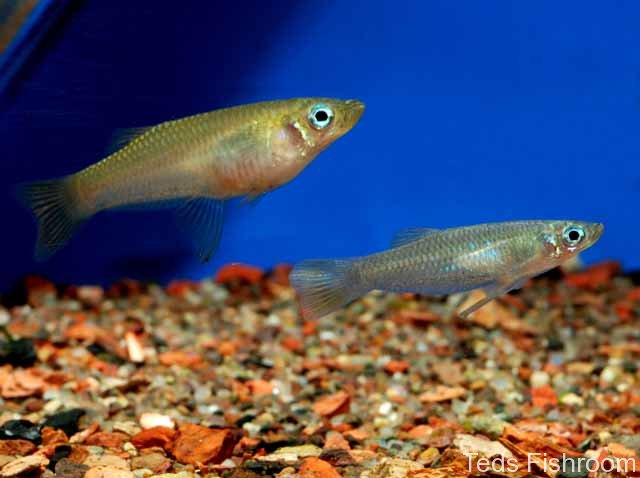
刀鳞鮰(Alfaro cultratus)是适应力较强的卵胎生鱼,尾柄下方一列成对的特化鳞片形成刀刃状棱脊,因而得名。它容易繁殖,却并非适合所有混养缸,尤其要留意同种间的攻击。
分布与栖息地
原产哥斯达黎加、尼加拉瓜和巴拿马,分布于河流、溪流、水沟与回水区,能利用缓流至中等流速的环境。
饲养环境
植物缸较适合本种。将密集水草区与开阔游泳区相结合,根枝和光滑石块可作补充布置。它常在水面附近活动,浮水植物提供的遮蔽尤其有用。
食性与喂食
不挑食,可轮换干粮、冷冻饵与活饵,避免长期只提供一种食物。
习性与混养
可能表现出攻击性,尤其针对同种。单养缸较便于管理;若混养,应选择体型接近、足够强健的鱼,并观察相处情况。
雌雄区分
雄鱼臀鳍形成交接器,腹鳍较延长;雌鱼更大,腹部也更丰满。
繁殖
条件合适时会规律产下鱼苗,每胎约 20~100 条。发现幼鱼后移到独立育苗缸,用微虫或磨碎薄片饲料喂养,繁殖本身通常不困难。
补充说明
刀状棱脊从臀鳍基部延伸至尾鳍,是观察识别时的实用特征。本种在普通商店未必常见,但在专门饲养卵胎生鱼的爱好者中有所流通。
图片
图片来自 SeriouslyFish,版权归各摄影者所有。
English
Overview
A blade-like ridge below the tail gives Alfaro cultratus its knife livebearer name. This adaptable fish breeds readily, but its tendency to confront other fish, particularly its own species, calls for more care in stocking than its hardiness might suggest.
Distribution & habitat
Native waters lie in Costa Rica, Nicaragua, and Panama. Rivers, streams, drainage channels, and backwaters with slow to moderate flow all provide habitat.
Aquarium setup
Plant the aquarium generously while retaining clear swimming areas. Roots and smooth stones can supplement the planting. Floating cover is particularly useful for a fish that spends its time near the surface.
Diet & feeding
Feeding is straightforward. Rotate suitable dry preparations with frozen and live foods for a varied menu.
Behaviour & compatibility
Aggression can be directed at companions and is especially relevant among conspecifics. A dedicated aquarium is a useful option; alternatives should be robust fishes of comparable size, with interactions monitored.
Sexual dimorphism
Males have an anal-fin gonopodium and elongated pelvic fins. Females are larger and fuller-bodied.
Breeding
Suitable conditions usually lead to regular births, with approximately 20–100 young in a brood. Transfer fry to separate quarters as they appear, offering microworms or finely crushed flakes. The species is generally easy to propagate.
Notes
Paired modified scales form the lower ridge between the anal-fin base and tail, providing a useful identifying feature. Specialist livebearer keepers may be a more reliable source than general aquarium stores.
来源
- https://www.seriouslyfish.com/species/alfaro-cultratus(抓取于 2026-10-10)
alfaro-cultratus · 文件: data/species/alfaro-cultratus.md · 状态: 草稿