布氏非洲鲑鲤 · Cherry Red Congo Tetra
概要
| 字段 | 值 |
|---|---|
| 类别 | 鱼 |
| 学名 | Alestopetersius brichardi |
| 别名 | 布氏非洲鮭鯉、Brichard's Congo Tetra、Roter Kongosalmler |
| 分类 | 脂鲤目 Characiformes › 非洲脂鲤科 Alestidae › Alestopetersius |
| 水体 | 淡水 |
| 原产地 | 刚果民主共和国 |
| 成体体长 | 8 cm |
| 饲养难度 | 入门 |
| 最小水体 | 108 L |
| 最小缸长 | 120 cm |
| 群居方式 | 群游 |
| 性情 | 温和 |
| 外部数据 | seriouslyfish alestopetersius-brichardi;fishbase 11105 |
水质参数
| 参数 | 耐受范围 | 最适范围 | 单位 |
|---|---|---|---|
| 水温 | 20–28 | — | °C |
| pH | 5–7 | — | — |
| 总硬度 | 1–10 | — | dGH |
概述
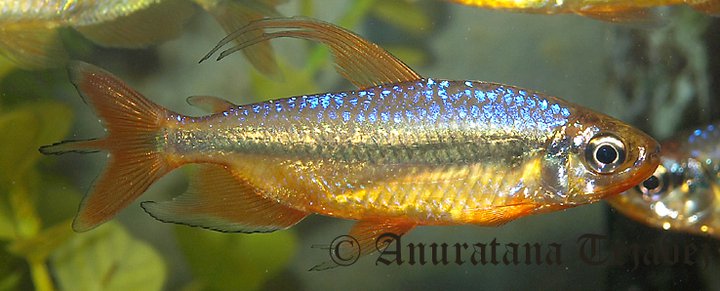
布氏非洲鲑鲤(Alestopetersius brichardi)是一种活泼但容易受惊的非洲脂鲤,整体温和。成熟雄鱼在展示时颜色明显转红,尾鳍中央延长的鳍条与深色侧带也是辨认线索。群体和开阔游动空间比复杂造景更重要。
分布与栖息地
已知记录主要来自刚果民主共和国境内的刚果河中游,包括布西拉河、鲁基河等支流;可能也进入刚果共和国境内支流,但尚不确定。马莱博湖区只有孤立记录,不应因此将主要范围概括为整个刚果河下游。
饲养环境
底面积至少约 120 × 30 cm。可用水草缸,也可用沙、细砾、不同大小圆石及沉木组成溪流式布局,保留宽阔泳道。
它对有机废物波动敏感,不适合新开、过滤尚未成熟的缸。每周换水约 20%–30%,配合稳定的过滤和日常维护。
食性与喂食
自然食物可能包括小昆虫、甲壳动物及落果,具体组成尚不确定。缸内可用优质薄片、颗粒搭配红虫、水蚤和丰年虾,其中部分干粮应含植物或藻类成分。
也能提供小蟋蟀、果蝇等昆虫,投喂前先让饵虫摄入鱼食或植物材料。
习性与混养
至少八至十尾、同时有雌有雄,更容易表现自然互动;其他合适的群游鱼也能增加安全感。缸友应体形相近、性情和水质需求相容,避免只凭“温和”忽略它的活跃和易惊特点。
雄鱼争夺雌鱼注意及群体地位时会展开鳍条、加强体色,等级竞争不必然等同长期守卫固定领地。
雌雄区分
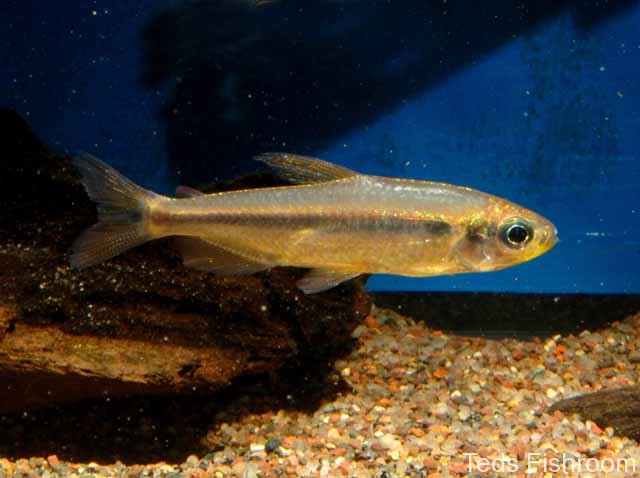
雄鱼颜色更艳,背鳍、腹鳍、臀鳍及尾鳍明显延长,繁殖状态下更红。雌鱼也有延长的尾鳍中央鳍条,但其他鳍及尾鳍上下叶明显较短。
补充说明
商品标签曾错误套用近缘种名称。较实用的组合特征是:成年雄鱼尾鳍中央延长,尾鳍上下叶无醒目深色带,较宽的深色侧带从眼后延伸至尾鳍中央末端。
图片
图片来自 SeriouslyFish,版权归各摄影者所有。
English
Overview
Lively but easily startled, Alestopetersius brichardi is generally peaceful. Displaying adult males develop strong reddish color, with elongated central tail rays and a dark flank stripe offering useful identification clues. Group size and open swimming space matter more than elaborate decoration.
Distribution & habitat
Confirmed records chiefly concern the middle Congo in the Democratic Republic of the Congo, including the Busira and Ruki tributaries. Occurrence in tributaries within the Republic of the Congo is possible but uncertain. A lone Pool Malebo report should not obscure the mainly upriver distribution.
Aquarium setup
Provide a footprint of at least about 120 × 30 cm. A planted aquarium or a stream-style layout with sand, gravel, rounded stones, and wood can work, provided broad swimming lanes remain.
Avoid biologically immature systems. Sensitivity to changing organic-waste levels makes dependable filtration and weekly changes of roughly 20–30% important.
Diet & feeding
Natural foods probably include small insects, crustaceans, and fallen fruits, although the exact diet is uncertain. Offer quality flakes and granules alongside bloodworms, water fleas, and brine shrimp. Some dry foods should include plant or algal material.
Small crickets and fruit flies are additional options. Feed these insects fish food or vegetable material before offering them.
Behaviour & compatibility
Maintain at least eight to ten of both sexes for more natural interactions. Suitable additional schooling fishes can improve confidence. Choose companions of comparable size with matching temperament and water requirements, allowing for its energetic but nervous behavior.
Competing males display enhanced color and fins when seeking females or social rank. Such displays do not by themselves establish permanent territoriality.
Sexual dimorphism
Males are brighter and develop longer dorsal, pelvic, anal, and caudal fins, becoming reddish in reproductive condition. Females also have extended central tail rays, but the other fins and caudal lobes remain much shorter.
Notes
Misapplied names have circulated in trade. Useful combined features include elongated central tail rays in adult males, no conspicuous dark bands on the tail lobes, and a broad dark stripe continuing from behind the eye to the central tail tip.
来源
- https://www.seriouslyfish.com/species/alestopetersius-brichardi(抓取于 2026-10-10)
alestopetersius-brichardi · 文件: data/species/alestopetersius-brichardi.md · 状态: 草稿