普氏粒鲶 · Indawgyi Stream Catfish
概要
| 字段 | 值 |
|---|---|
| 类别 | 鱼 |
| 学名 | Akysis prashadi |
| 别名 | 普氏粒鯰、Prashad's Stream Catfish、Akysis variegatus variegatus |
| 分类 | 鲶形目 Siluriformes › 粒鲶科 Akysidae › Akysis |
| 水体 | 淡水 |
| 原产地 | 印度、缅甸 |
| 成体体长 | 6.2 cm |
| 饲养难度 | 中等 |
| 最小水体 | 41 L |
| 最小缸长 | 45 cm |
| 群居方式 | 群游 |
| 性情 | 温和 |
| 水流偏好 | 高 |
| 外部数据 | seriouslyfish akysis-prashadi;fishbase 24798 |
| 特征 | 翻底砂: 是 |
水质参数
| 参数 | 耐受范围 | 最适范围 | 单位 |
|---|---|---|---|
| 水温 | 16.5–24 | — | °C |
| pH | 6–7.2 | — | — |
| 总硬度 | 2–12 | — | dGH |
概述
普氏粒鲶(Akysis prashadi)在粒鲶属中体形相对较大,但仍是会钻砂的小型鲶鱼。饲养重点是细软底床、清洁富氧的水以及避免激烈抢食,不能把隐蔽不动理解为可以忽略喂食和维护。
分布与栖息地
记录来自缅甸北部克钦邦茵多基湖及卡迈附近水域,属于伊洛瓦底江上游流域;印度曼尼普尔邦洛克乔河也有记录,该河经亲敦江与伊洛瓦底水系相连。
粒鲶属总体多生活在流动溪河,底床为砂、砾和岩石,可能有局部落叶、枝条及岸边伸入水中的树根。不能仅根据湖泊产地名就将它按静水鱼安排。
饲养环境
底面积至少约 45 × 30 cm,铺细软砂,让鱼能完全钻入或只露双眼。圆滑石块、沉木和树根可构成狭窄藏身处,附生水草比依赖底床生根的植物更不容易受钻砂影响,也可加入少量落叶。
有机污染积累会影响状态,应保持良好水流及高溶氧,每周部分换水约 30%–50%。
食性与喂食
同属以小型水生甲壳类、虫和昆虫幼体等为食,缸内不一定接受干饲料。可规律提供丰年虾、水蚤、红虫等适口活饵和冷冻饵,小个体必要时把较大食物切碎。
按同属习性可暗后喂,适应后也可能在投食时出来。它不善竞争,需要确认吃到足够食物。
习性与混养
避免体形过大、凶猛或强势抢食的伙伴,选择大小相近的温和鱼。其他底栖鱼和鳅类要核对体形及地盘性,已有与淡水虾和平相处的观察。
对同种无攻击性,可以单养或群养;群养也要留够底部藏身位置。
雌雄区分
雄鱼肛门后有短圆锥形生殖突;雌鱼生殖突较扁,开口周围可见放射状沟纹。这些特征比套用其他粒鲶的腹鳍形状更有依据。
繁殖
本种尚无确认繁殖记录。其他粒鲶的降温诱繁与孵化观察不能直接视作本种成功方法,不宜据此实施固定幅度的急剧降温。
补充说明
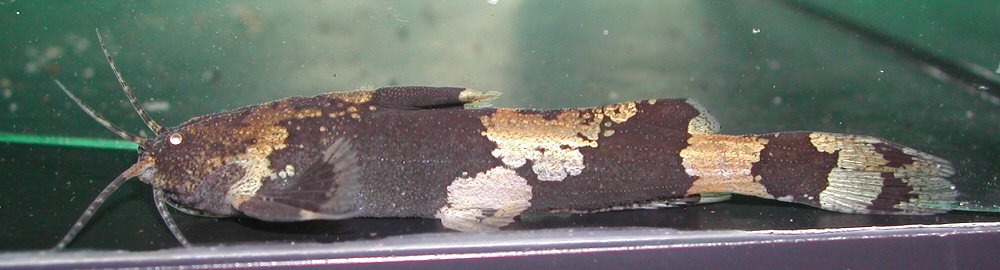
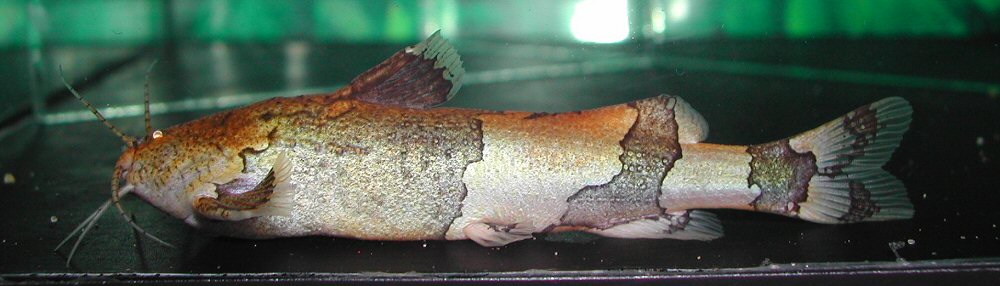
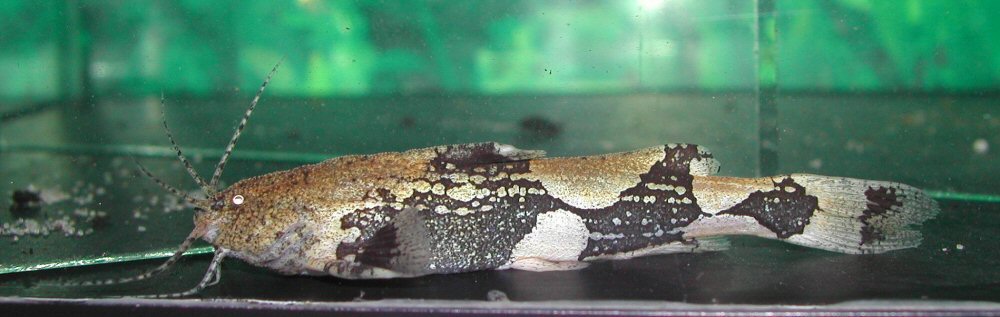
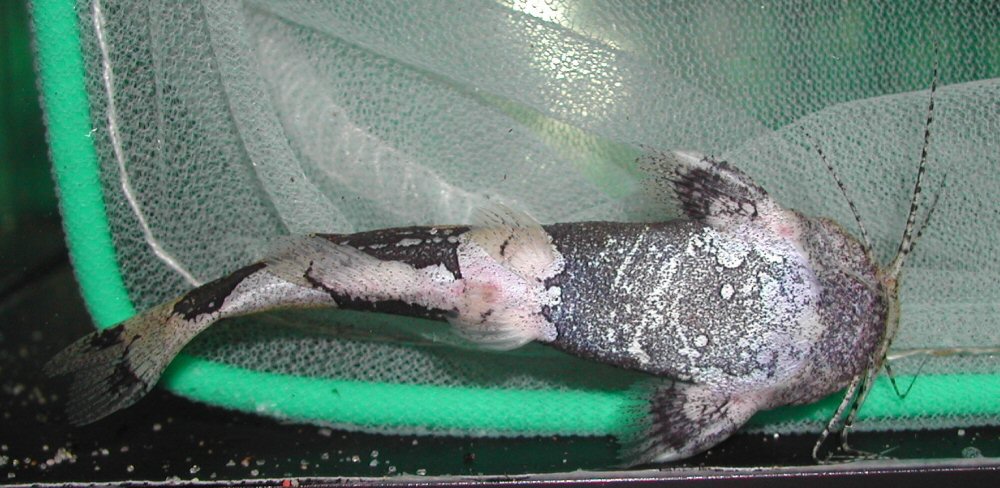
胸鳍棘后缘无锯齿、尾鳍明显凹入且下叶略长,是辨识线索。无锯齿不等于无刺伤风险:该科背鳍、胸鳍棘具有相关毒腺结构,维护或移动时应避免抓握。
图片
图片来自 SeriouslyFish,版权归各摄影者所有。
English
Overview
Among its genus, Akysis prashadi is comparatively large, yet remains a small sand-burying catfish. Fine substrate, clean oxygenated water, and freedom from intense feeding competition are the main priorities. A hidden fish still requires confirmed feeding and regular maintenance.
Distribution & habitat
Records originate from Lake Indawgyi and waters near Kamaing in northern Myanmar's Kachin State, within the upper Ayeyarwady drainage. It also occurs in India's Lokchao River in Manipur, connected to the Ayeyarwady through the Chindwin system.
The genus generally occupies flowing streams and rivers over sand, gravel, and rock, with occasional litter, branches, or bank roots. A lake-associated locality name alone should not lead to treating this fish as a stagnant-water specialist.
Aquarium setup
Use a base around 45 × 30 cm and soft sand deep enough for burying, sometimes with only the eyes exposed. Rounded rocks and wood provide narrow shelters. Attached plants are less vulnerable to substrate disturbance than rooted planting; some leaf litter can be added.
Organic waste accumulation is poorly tolerated. Maintain good water movement and high dissolved oxygen, with weekly partial changes of approximately 30–50%.
Diet & feeding
Members of the genus eat small aquatic crustaceans, worms, and insect larvae. Dry food is not always accepted. Offer suitable live and frozen brine shrimp, water fleas, bloodworms, and similar items, cutting larger food for small individuals.
Feeding after dark follows the general pattern of relatives, although acclimated fish may emerge at feeding time. Its limited competitive ability makes checking intake necessary.
Behaviour & compatibility
Avoid substantially larger, aggressive, or forceful feeding competitors. Similar-sized peaceful fish are preferable. Other bottom dwellers, especially loaches, require checks for size and territorial behavior. Peaceful coexistence with freshwater shrimp has been observed.
It is nonaggressive toward conspecifics and may be kept singly or socially, with adequate retreats for a group.
Sexual dimorphism
The male has a short conical papilla immediately behind the anus. In females it is flattened, with radiating grooves around the opening. These species-specific features are more useful than assuming that pelvic-fin differences in other members of the genus apply.
Breeding
Confirmed reproduction is unreported for this species. Cooling-associated spawning and incubation observations in another member of the genus do not establish a successful method here, or justify a fixed abrupt temperature reduction.
Notes
An unserrated rear edge to the pectoral spine and a deeply notched tail with a slightly longer lower lobe assist identification. Lack of serrations does not remove puncture risk: akysid dorsal and pectoral spines are associated with venom structures and should not be gripped during handling.
来源
- https://www.seriouslyfish.com/species/akysis-prashadi(抓取于 2026-10-10)
akysis-prashadi · 文件: data/species/akysis-prashadi.md · 状态: 草稿