斑鳍粒鲶 · Spotfin Stream Catfish
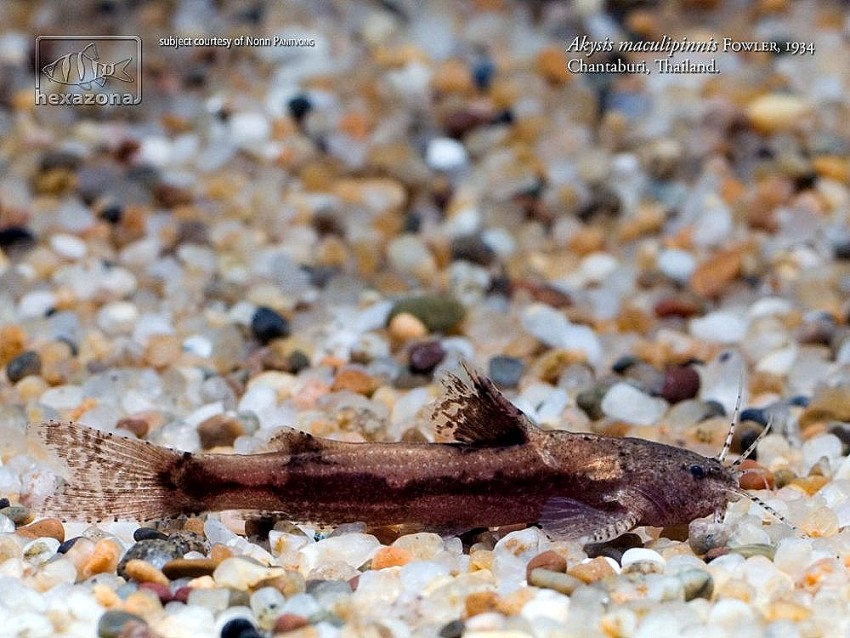
概要
| 字段 | 值 |
|---|---|
| 类别 | 鱼 |
| 学名 | Akysis maculipinnis |
| 别名 | 斑鰭粒鯰 |
| 分类 | 鲶形目 Siluriformes › 粒鲶科 Akysidae › Akysis |
| 水体 | 淡水 |
| 原产地 | 泰国;柬埔寨的分布有待确认 |
| 成体体长 | 3.5 cm |
| 饲养难度 | 中等 |
| 最小水体 | 41 L |
| 最小缸长 | 45 cm |
| 群居方式 | 群游 |
| 性情 | 温和 |
| 水流偏好 | 高 |
| 外部数据 | seriouslyfish akysis-maculipinnis;fishbase 26747 |
| 特征 | 翻底砂: 是 |
| 繁殖方式 | 散卵 |
水质参数
| 参数 | 耐受范围 | 最适范围 | 单位 |
|---|---|---|---|
| 水温 | 16.5–24 | — | °C |
| pH | 6–7.5 | — | — |
| 总硬度 | 2–12 | — | dGH |
概述
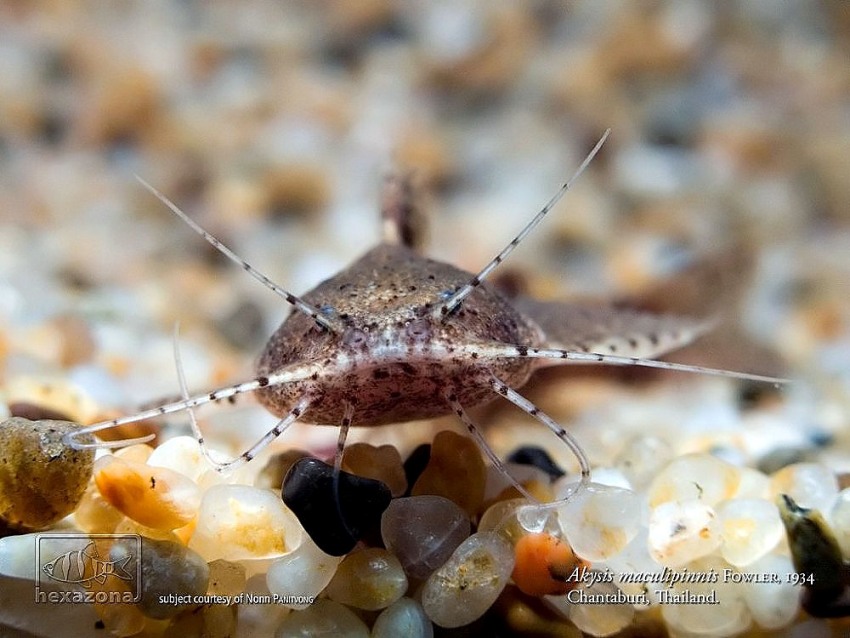
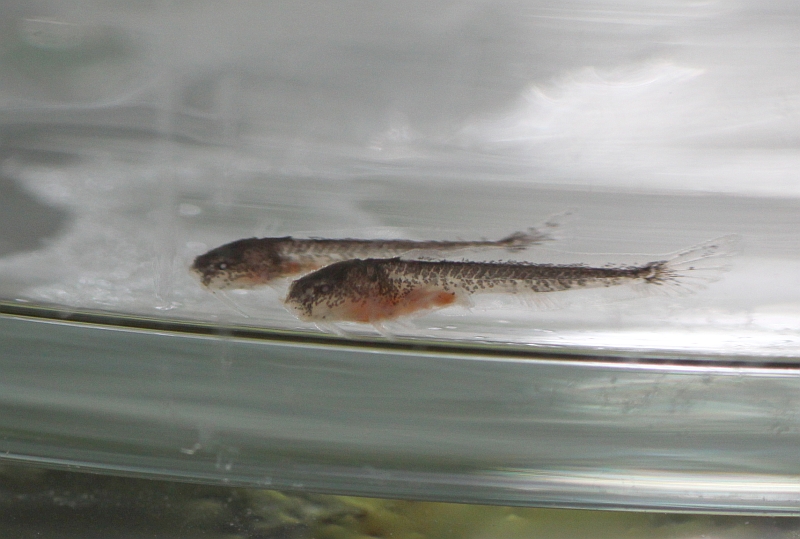
斑鳍粒鲶(Akysis maculipinnis)是会钻砂的小型鲶鱼,对水质清洁和溶氧要求高。它有缸内繁殖经验,但成鱼积极吃卵,收卵装置和育苗水质管理是成功的关键。
分布与栖息地
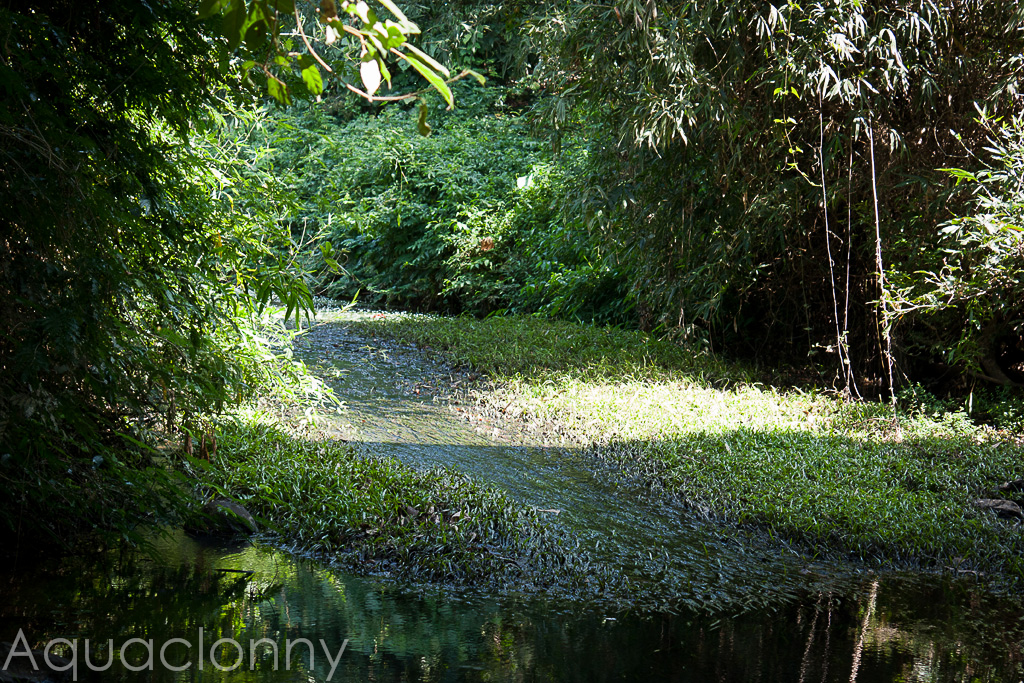
主要记录来自泰国东部尖竹汶地区,可能延伸到柬埔寨西南部,但后者仍缺确定记录。泰国考安鲁奈一带也有采集记录。
同属多生活于砂、砾、岩石底的流动溪河,雨季水量、流速及悬浮物会增加,水下树枝、树根和局部落叶形成掩护。
饲养环境
底面积至少约 45 × 30 cm。细软砂底便于钻埋,可配圆滑石块、沉木和树根构成缝隙。水草适合附生在木石上,减少被钻动底床影响,少量落叶也可使用。
不耐有机污染积累,应保持高溶氧和良好流动,每周部分换水约 30%–50%。
食性与喂食
同属主要捕食小型水生甲壳类、虫和昆虫幼体。缸内可能不认干饲料,可规律提供适口活饵和冷冻饵,小个体必要时将较大食物切碎。
暗后投喂符合该类群习惯,适应后也可能在投食时出来。它不善争抢,须确认同伴没有先吃光饵料。
习性与混养
避免大型、凶猛或抢食强的缸友,可考虑小型温和鱼及大小相近、不过度守地盘的底栖鱼。已有与淡水虾和平共处的观察。对同种没有攻击性,可以单养或成群。
雌雄区分
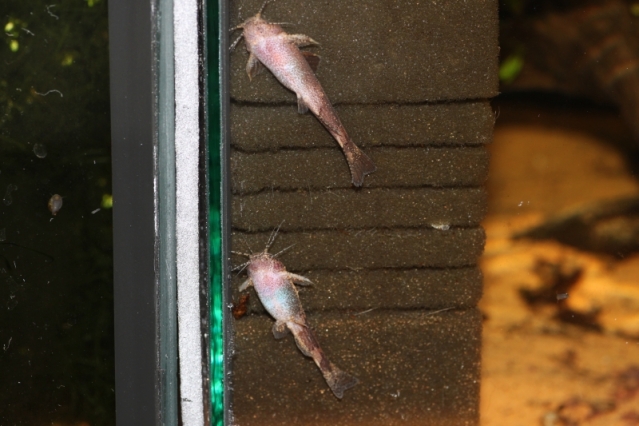
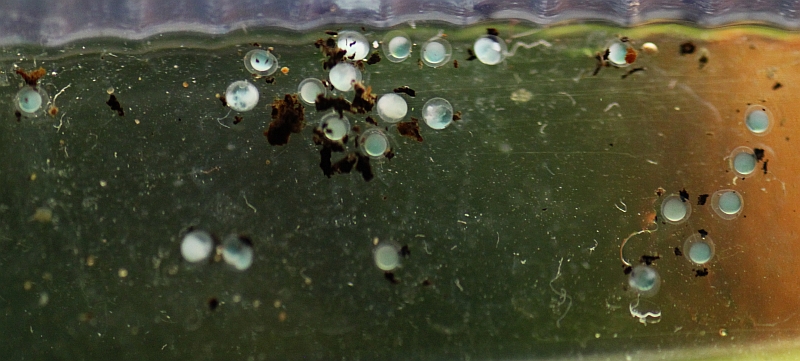
成熟抱卵雌鱼身体更丰满,腹部可透见偏蓝的卵团。
繁殖
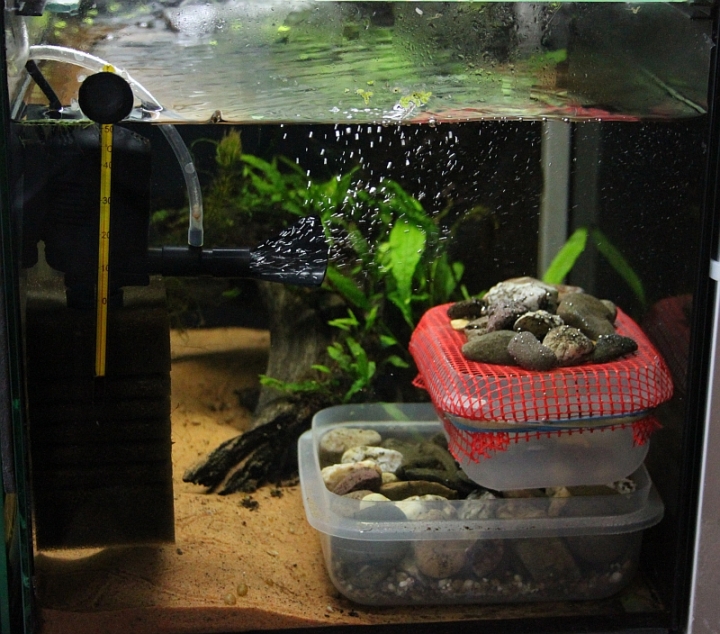
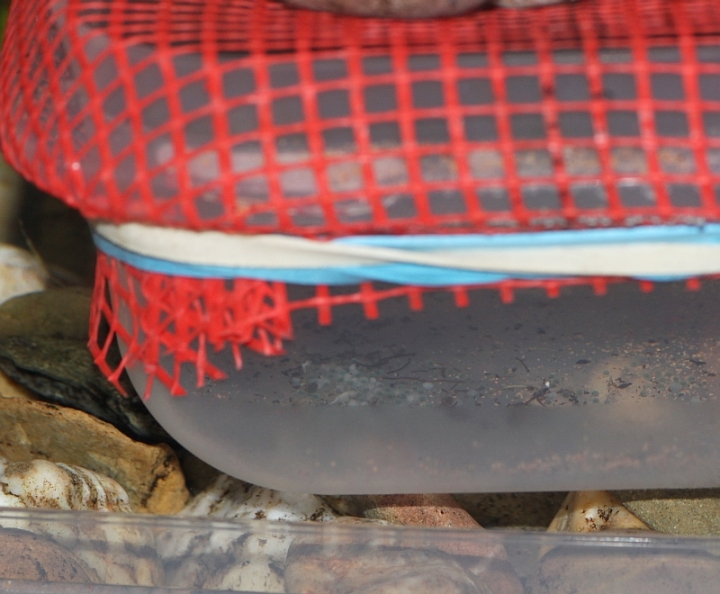
本种在流水中的底床上方放卵,不护幼,而且积极吃卵。已有方法是在泵或内滤出水下放置收卵盒:一盒装砾石及大小不同石块,另一盒顶部覆约 3.5–4 mm 网眼的网,再放石块。网眼要让卵通过,又阻止成鱼取食。
水流须足以把卵带离成鱼,却在到达盒口、尤其网面时减缓,让卵下沉;出水调整对成败影响很大。鱼会在夜间于水流或盒子上方产卵,有过一晚收到约六十粒卵的记录,状态好时可连续数周几乎每天产卵。
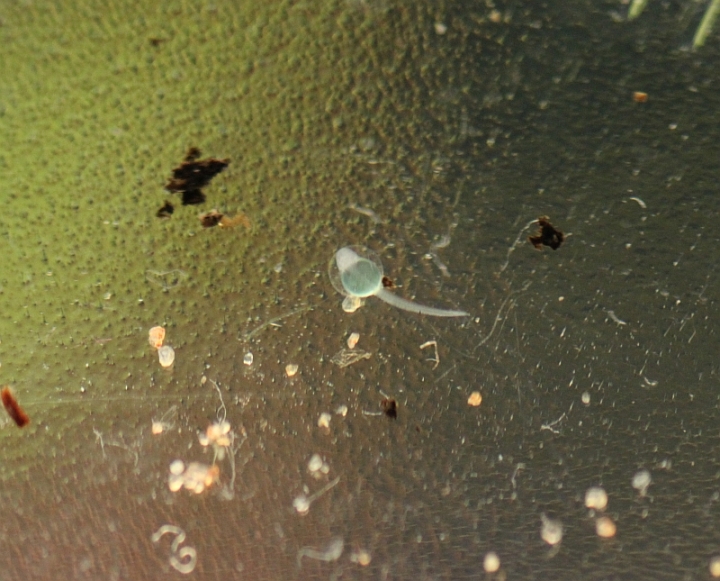
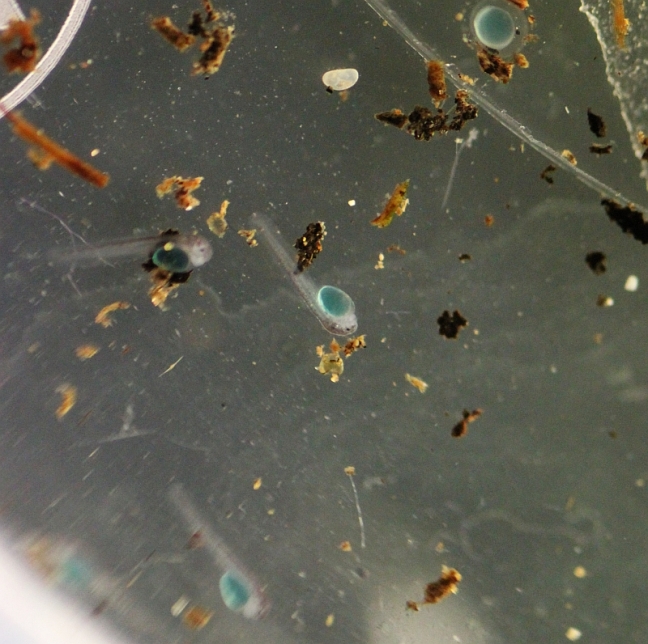
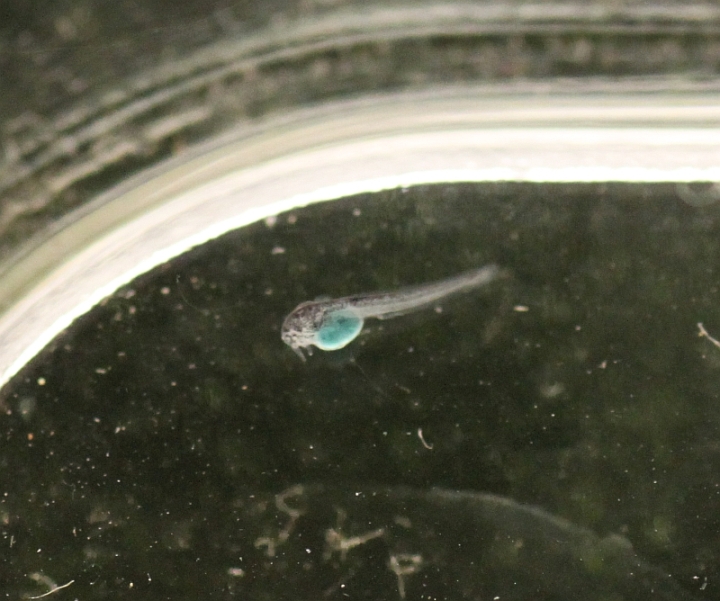
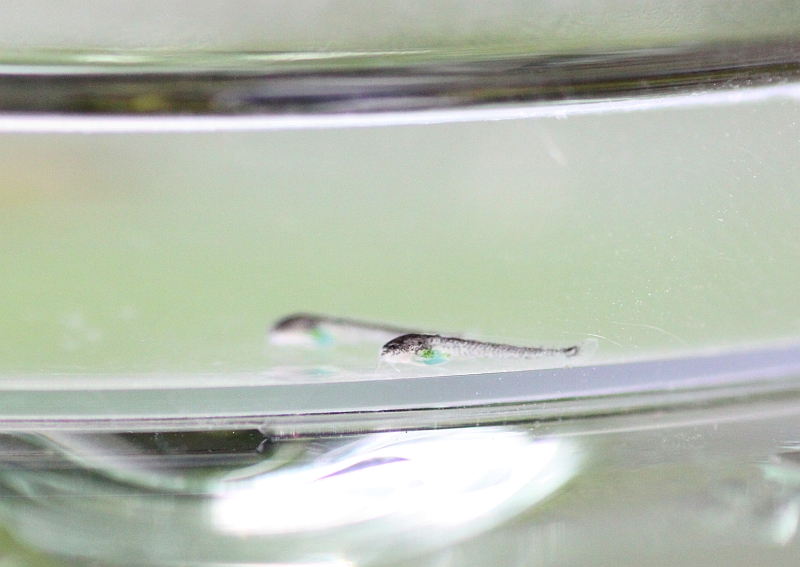
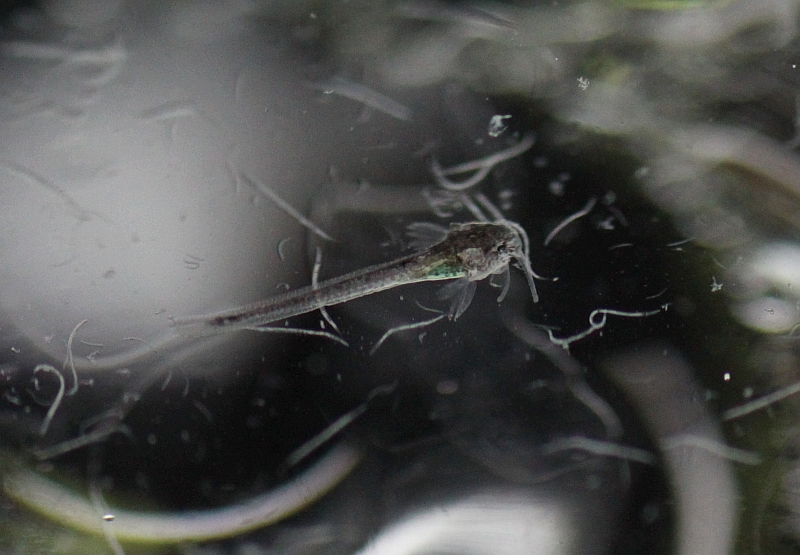
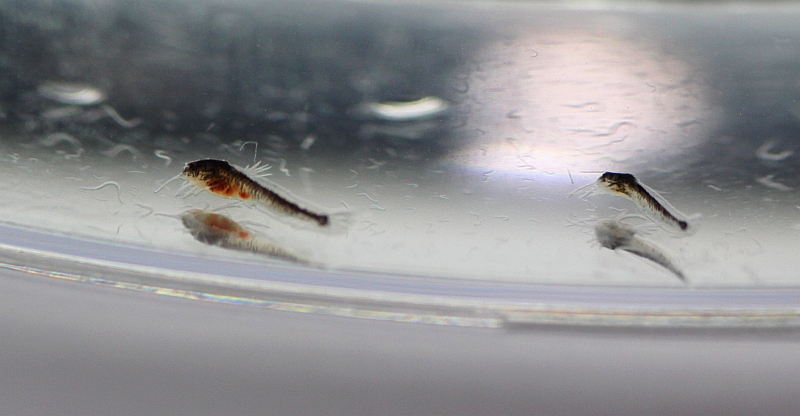
卵移到独立容器,在 24 °C 下约三天孵化。鱼苗有较大的蓝色卵黄囊,一周内吸收,约第五天已可吃微虫或丰年虾无节幼体。初期需持续有适口活饵,又极怕水质变化;成功育苗经验采用预先养好的水,每天两次全量换水。这个高强度方法必须与稳定水质配套,不能把污染积累或新水冲击留给鱼苗承受。
补充说明
背鳍、胸鳍棘可能造成疼痛刺伤,移动和维护时避免徒手抓握。吃卵行为明确,也说明繁殖缸需要真正隔开卵与成鱼,不能只依赖植物掩护。
图片
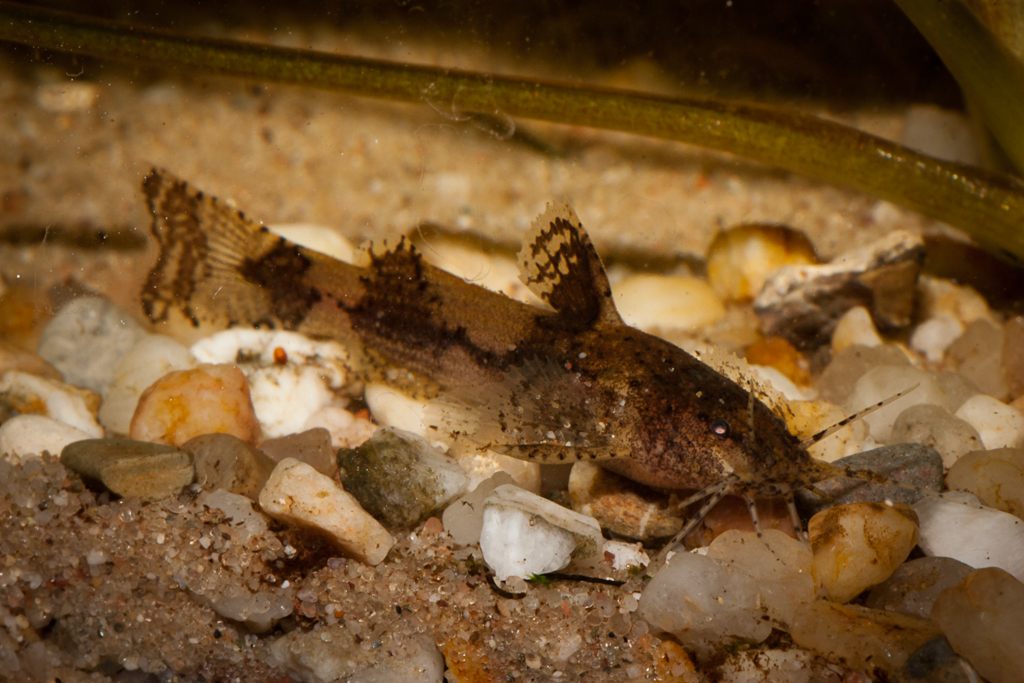
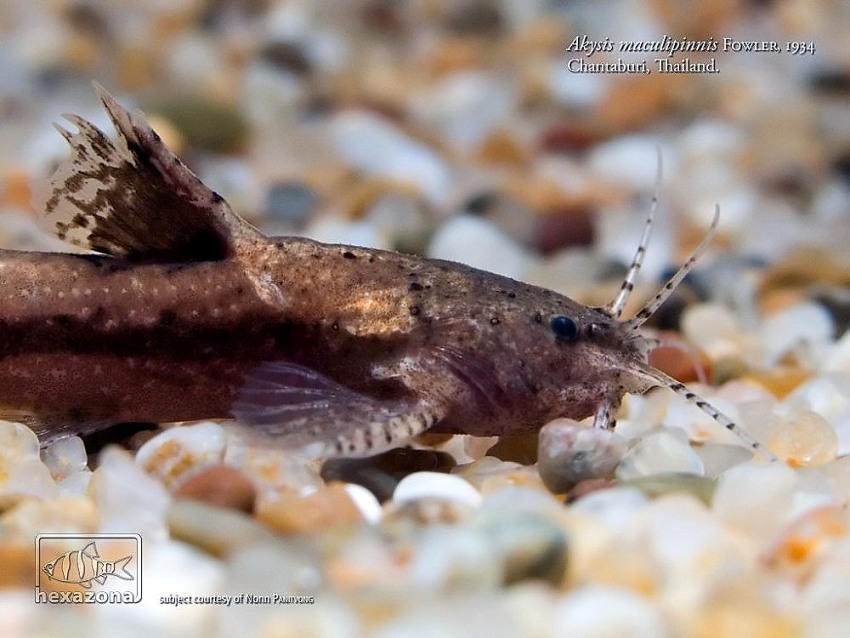
图片来自 SeriouslyFish,版权归各摄影者所有。
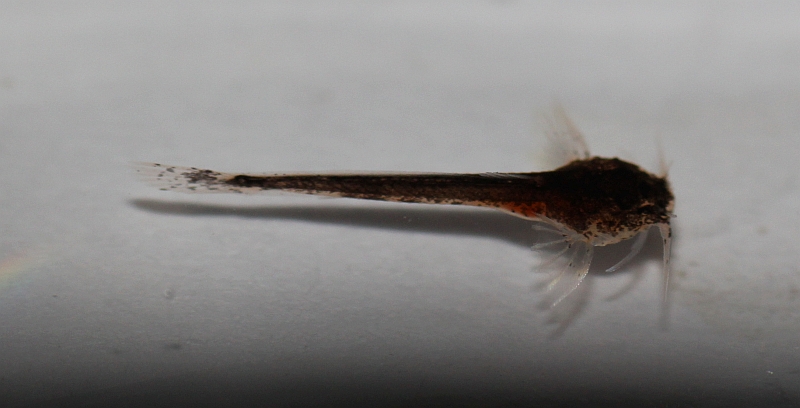
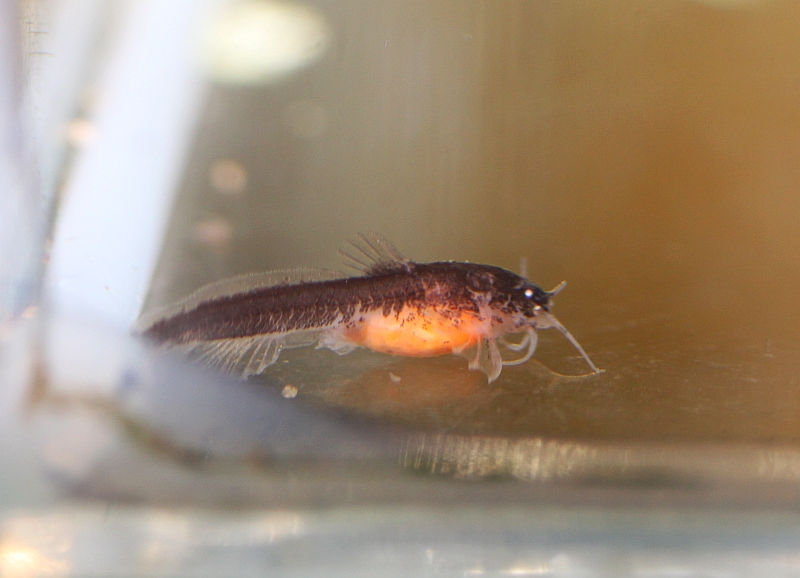
English
Overview
Akysis maculipinnis is a tiny sand-burying catfish that needs clean, oxygen-rich water. Successful aquarium spawning is possible, but adults avidly consume eggs. Collection devices and careful nursery management are central to raising young.
Distribution & habitat
Confirmed information centers on eastern Thailand's Chanthaburi region, with collections also reported from the Khao Ang Rue Nai area. Extension into southwestern Cambodia is possible but remains uncertain.
The genus generally inhabits flowing streams over sand, gravel, and rocks. Rainy periods increase water volume, current, and suspended material, while wood, roots, and patches of litter provide cover.
Aquarium setup
A footprint around 45 × 30 cm is suitable. Provide soft sand for burying, plus rounded stones, wood, and roots forming narrow gaps. Plants attached to hard surfaces avoid disturbance from digging; some leaf litter may be included.
Keep organic waste low, oxygen abundant, and circulation effective. Weekly partial water changes of around 30–50% are routine care.
Diet & feeding
Related species consume small aquatic crustaceans, worms, and insect larvae. Dry food may be refused, so provide regular appropriately sized live and frozen offerings, cutting larger items when necessary.
After-dark feeding follows the pattern of the genus, although settled individuals may emerge whenever food arrives. Confirm that this poor competitor obtains its share.
Behaviour & compatibility
Avoid large, aggressive, or strongly competitive companions. Small peaceful fishes and suitably sized nonterritorial bottom dwellers are preferable. Peaceful coexistence with freshwater shrimp has been observed. Conspecifics are tolerated, allowing single or group maintenance.
Sexual dimorphism
Ripe females appear fuller, with a bluish egg mass visible through the abdomen.
Breeding
Eggs are released above the substrate into flowing water, with no parental care. A successful collection arrangement uses two containers below a pump or internal-filter outlet: one holds gravel and mixed stones, while the other has a mesh-covered opening topped with stones. Mesh openings around 3.5–4 mm admit eggs while excluding adults.
Flow must carry eggs away from hungry parents but slow at the collecting surface so eggs settle. Small outlet adjustments can greatly alter results. Spawning occurs at night in the current or above the containers. Up to about sixty eggs have been recovered in one night, and conditioned adults may spawn nearly daily for weeks.
Transfer eggs to a separate container. At 24 °C they hatch in approximately three days, bearing large blue yolk sacs. Yolk is absorbed within a week, and fry can take microworms or brine-shrimp nauplii by about day five. They need plentiful suitable live food yet are highly sensitive to chemistry changes. The successful rearing account used complete water replacement twice daily with aged water. This intensive method depends on preserving stable conditions while preventing waste accumulation.
Notes
Dorsal and pectoral spines can deliver painful punctures, so avoid gripping them during transfers or maintenance. Egg predation also makes effective separation essential; plant cover alone is not an equivalent substitute for protecting the spawn.
来源
- https://www.seriouslyfish.com/species/akysis-maculipinnis(抓取于 2026-10-10)
akysis-maculipinnis · 文件: data/species/akysis-maculipinnis.md · 状态: 草稿