细齿无须鲶 · Duck Catfish
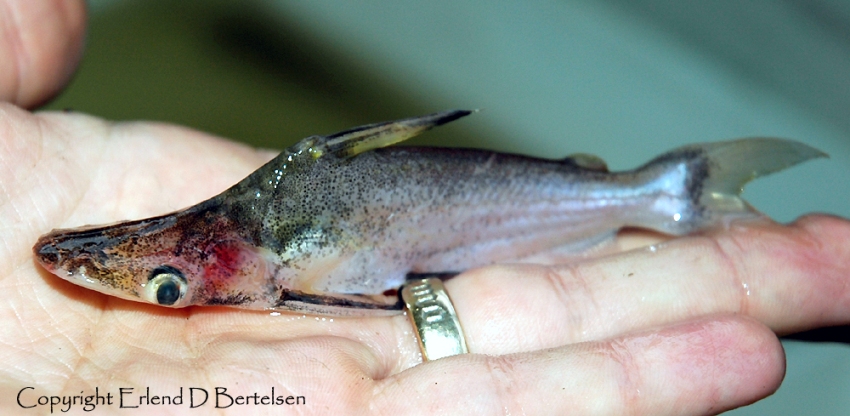
概要
| 字段 | 值 |
|---|---|
| 类别 | 鱼 |
| 学名 | Ageneiosus ucayalensis |
| 别名 | 红棕无须鲶、圭亚那无须鲶、秘鲁无须鲶、帕那瓜湖无须鲶、細齒無鬚鯰、紅棕無鬚鯰、圭亞那無鬚鯰、祕魯無鬚鯰、帕那瓜湖無鬚鯰、Ageniosus porphyreus |
| 分类 | 鲶形目 Siluriformes › 项鳍鲶科 Auchenipteridae › Ageneiosus |
| 水体 | 淡水 |
| 原产地 | 巴西、哥伦比亚、厄瓜多尔、圭亚那、秘鲁、苏里南、委内瑞拉 |
| 成体体长 | 29 cm |
| 饲养难度 | 中等 |
| 最小水体 | 648 L |
| 最小缸长 | 180 cm |
| 外部数据 | seriouslyfish ageneiosus-ucayalensis;fishbase 48607 |
水质参数
| 参数 | 耐受范围 | 最适范围 | 单位 |
|---|---|---|---|
| 水温 | 22.5–28 | — | °C |
| pH | 5.5–7.5 | — | — |
| 总硬度 | 1–20 | — | dGH |
概述
细齿无须鲶(Ageneiosus ucayalensis)体形修长、活动力强,具有吞食较大猎物的能力。受惊可能撞伤自己,需要宽敞、富氧且维护良好的大型系统,混养更不能只考虑它平时是否追逐其他鱼。
分布与栖息地
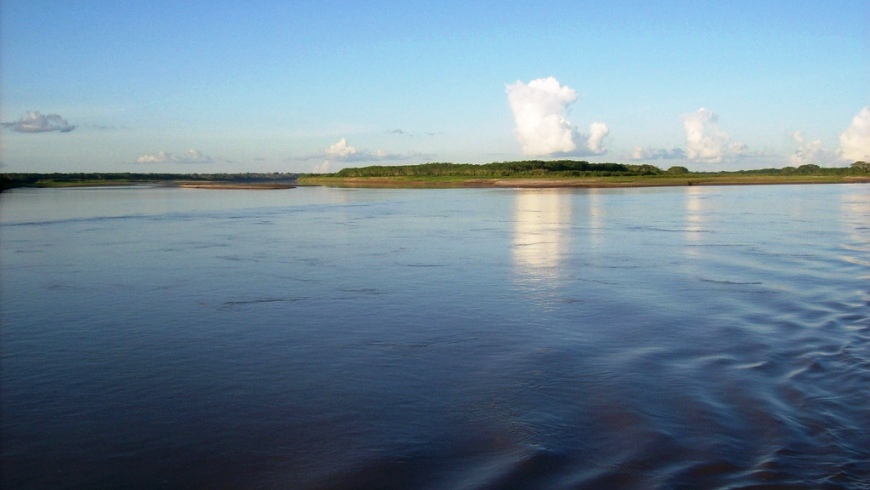
最初描述来自秘鲁乌卡亚利河区域,之后在亚马孙及支流、奥里诺科、圭亚那地区入大西洋河流和巴拉那水系有记录。多数栖地记录来自河道中下段与较大支流。
饲养环境
长期饲养底面积至少约 180 × 60 cm,留出充分游动余地,减少受惊时撞玻璃的风险。它可能偏好较暗的照明,并利用沉木、大石或宽管形成的掩蔽处。
需要强大的过滤、规律换水和高溶氧。它不能呼吸空气,充足水中氧气不可由上浮换气代替。
食性与喂食
大型无须鲶属鱼类以无脊椎动物和鱼为食,能吞较大猎物。相关饲养经验显示,新到个体可能只认活鱼,之后可逐渐训练接受解冻鱼、贝类,有些能吃肉食鱼颗粒。
牛心、鸡肉等陆生动物肉不宜作常规食物。未经妥善调养的活饵鱼可能带入疾病或寄生虫,也未必能提供合适的长期营养。
习性与混养
本种吞食大型猎物的能力限制了缸友选择,只有体形相当的大型鲶鱼或开阔水层大型鱼,才可能具有同养条件。这样的组合通常需要公共水族馆规模的空间,不能把“差不多大”当成绝对安全。
雌雄区分
同属雄鱼繁殖季的头后轮廓更陡,上颌须骨化、延长并出现齿状突起,背鳍前部鳍条也延长。臀鳍前端鳍条增粗、融合,形成交接结构的支撑。雌鱼臀鳍前部鳍条也较长,但没有整套雄性季节变化。
繁殖
缸内尚无确认繁殖记录。采用体内受精,繁殖雄鱼通过改造的生殖结构交接,须和背鳍的变化参与求偶接触。本种在自然界有年度迁移,繁殖与雨季相关。
模拟先暖后以偏凉水换水的变化,只能视为可能的尝试方向,尚不是经过验证的人工繁殖程序。
补充说明
体色似乎随产地变化,黑水环境个体常较暗,圭亚那地盾种群尤其明显。深叉尾、修长侧扁的身体、扁头和长臀鳍是较有用的外形线索,不能仅凭颜色判断。
图片
图片来自 SeriouslyFish,版权归各摄影者所有。
English
Overview
Ageneiosus ucayalensis is an elongated, active catfish capable of taking substantial prey. It may injure itself when startled, making generous space and highly oxygenated, well-maintained water central to its care. Compatibility cannot be judged solely by whether it chases other fish.
Distribution & habitat
Originally described from the Ucayali region of Peru, it has records across the Amazon and its tributaries, the Orinoco, Atlantic drainages of the Guianas, and the Paraná system. Most habitat records involve middle and lower river channels and major tributaries.
Aquarium setup
Provide at least a 180 × 60 cm footprint for long-term care, with ample swimming room to reduce collision risk. Dim lighting and retreats made from large wood, rocks, or wide pipes are likely to suit it.
Substantial filtration, regular water changes, and high dissolved oxygen are necessary. It cannot breathe atmospheric air, so oxygen in the water must remain adequate.
Diet & feeding
Large members of this genus consume invertebrates and fishes, including surprisingly large prey. Feeding experience with the group suggests that new arrivals may initially accept only live fish, but can often be trained onto thawed fish and shellfish. Some eventually accept carnivore pellets.
Beef heart, chicken, and other terrestrial meats are unsuitable routine foods. Poorly conditioned feeder fish can bring parasites or disease and do not necessarily provide appropriate nutrition for long-term use.
Behaviour & compatibility
Its capacity to swallow large prey severely restricts companion choice. Similar-sized large catfishes or substantial open-water fishes are the only plausible candidates, usually in accommodation on a public-aquarium scale. Comparable size is still not an absolute guarantee of safety.
Sexual dimorphism
Breeding males of the genus develop a steeper profile behind the head, elongated ossified upper-jaw barbels with toothlike projections, and an enlarged dorsal-fin outline. The front anal-fin rays thicken and fuse, supporting the copulatory structure. Females also have elongated anterior anal-fin rays, without the complete seasonal male modifications.
Breeding
Aquarium reproduction is unrecorded. Fertilization is internal, using modified male genital structures, while barbel and dorsal-fin changes contribute to courtship contact. This species undertakes annual movements in nature, with breeding linked to rainy-season conditions.
A warmer phase followed by cooler water changes has been suggested as a possible cue, but is not a validated captive protocol.
Notes
Pattern appears to vary geographically. Blackwater specimens tend to be darker, particularly those from the Guiana Shield. A deeply forked tail, elongated compressed body, flattened head, and long anal fin offer more useful identification clues than color alone.
来源
- https://www.seriouslyfish.com/species/ageneiosus-ucayalensis(抓取于 2026-10-10)
ageneiosus-ucayalensis · 文件: data/species/ageneiosus-ucayalensis.md · 状态: 草稿