巴西无须鲶 · Manduba
概要
| 字段 | 值 |
|---|---|
| 类别 | 鱼 |
| 学名 | Ageneiosus inermis |
| 别名 | 短身无须鲶、达瓦拉无须鲶、奥氏无须鲶、间鲶、无须鲶、腋无须鲶、巴西無鬚鯰、短身無鬚鯰、達瓦拉無鬚鯰、奧氏無鬚鯰、間鯰、無鬚鯰、腋無鬚鯰、Silurus inermis、Ageneiosus armatus、Ageneiosus barranquenensis、Ageneiosus brevifilis、Ageneiosus gabardinii、Ageneiosus marmoratus、Ageneiosus ogilviei、Ageneiosus sebae、Ageneiosus (Pseudageneiosus)、Ageniosus axillaris、Davalla schomburgkii、Hypothalmus dawalla |
| 分类 | 鲶形目 Siluriformes › 项鳍鲶科 Auchenipteridae › Ageneiosus |
| 水体 | 淡水 |
| 原产地 | 阿根廷、玻利维亚、巴西、哥伦比亚、厄瓜多尔、法属圭亚那、圭亚那、巴拉圭、苏里南、委内瑞拉 |
| 成体体长 | 47 cm |
| 饲养难度 | 中等 |
| 最小水体 | 5760 L |
| 最小缸长 | 400 cm |
| 外部数据 | seriouslyfish ageneiosus-inermis;fishbase 47969 |
| 食性 | 肉食 |
水质参数
| 参数 | 耐受范围 | 最适范围 | 单位 |
|---|---|---|---|
| 水温 | 22.5–26 | — | °C |
| pH | 5.5–7.5 | — | — |
| 总硬度 | 1–20 | — | dGH |
概述
巴西无须鲶(Ageneiosus inermis)是大型肉食性鲶鱼,成年后的空间与过滤需求通常超出家庭鱼缸的能力。它能吞食相当大的猎物,不能把幼鱼时期的体形当作购买和混养依据。
分布与栖息地
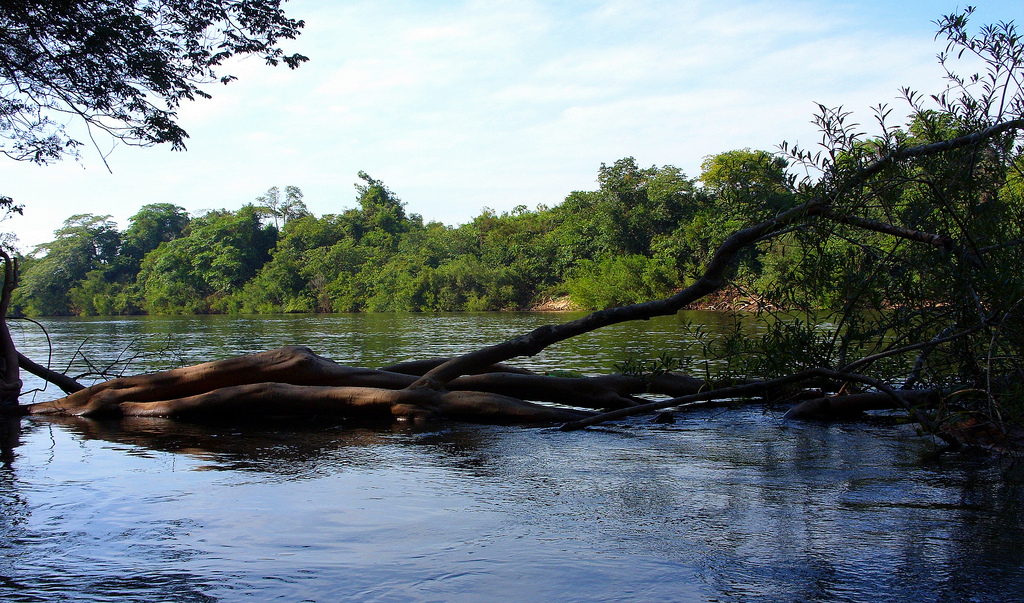
广布于安第斯山以东的南美洲,涉及亚马孙、奥里诺科、托坎廷斯、巴拉那等水系;乌拉圭境内的分布仍有不确定性。记录多来自河道下段及较大支流,据垂钓观察可能偏好有淹没结构或植物掩护的急流区。
饲养环境
成年鱼需要超过 400 × 120 cm 的底面积,通常只有大型专用设施或公共水族馆才适合。可能偏好较暗照明,并能利用大型沉木、岩石或宽管形成的躲藏处。
庞大的过滤能力、严格换水维护和高溶氧都不可少。它不能像某些近缘鱼那样呼吸空气,不能用上浮换气的能力来弥补低溶氧。
食性与喂食
本种为肉食性。大型无须鲶的饲养经验显示,新到个体往往只认活鱼,通常需要逐渐训练接受解冻小鱼、贝类等,有些还能吃肉食鱼颗粒。
不宜把牛心、鸡肉等陆生动物肉当常规饵料。长期依赖未经妥善调养的活饵鱼也有疾病和寄生虫引入风险,营养价值未必合适。
习性与混养
吞食能力是混养的主要限制。只有体形相当的大型鲶鱼或开阔水层大型鱼,才可能具备同养条件;即使如此,所需总空间通常仍属于公共水族馆级别,不能把相近体长当作绝对安全保证。
雌雄区分
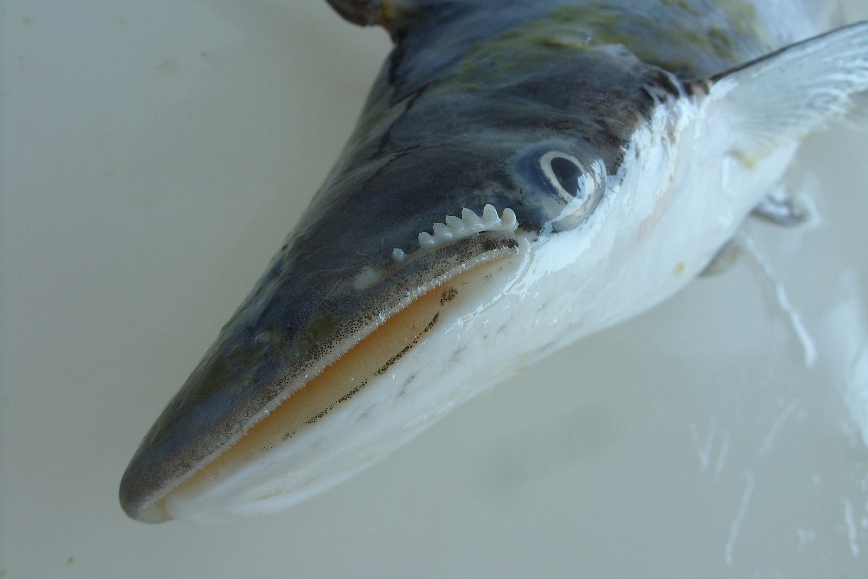
无须鲶属雄鱼繁殖季会出现显著变化:头后至背鳍之间的轮廓更陡,上颌须变长、骨化并出现齿状突起,背鳍前部鳍条也明显延长。臀鳍前部鳍条增粗、延长及融合,支撑交接结构。雌鱼臀鳍前部数根鳍条也较长,但没有雄鱼的整套季节性改变。
繁殖
缸内尚无确认的繁殖记录。该类群以雄鱼改造的生殖结构进行体内受精,须和背鳍的变化参与求偶及接触雌鱼;体内受精不能直接等同于卵胎生。
自然繁殖与雨季有关。模拟先暖后降温、增加换水的季节变化,只能视为可能的尝试方向,并非已验证的人工繁殖流程。
补充说明
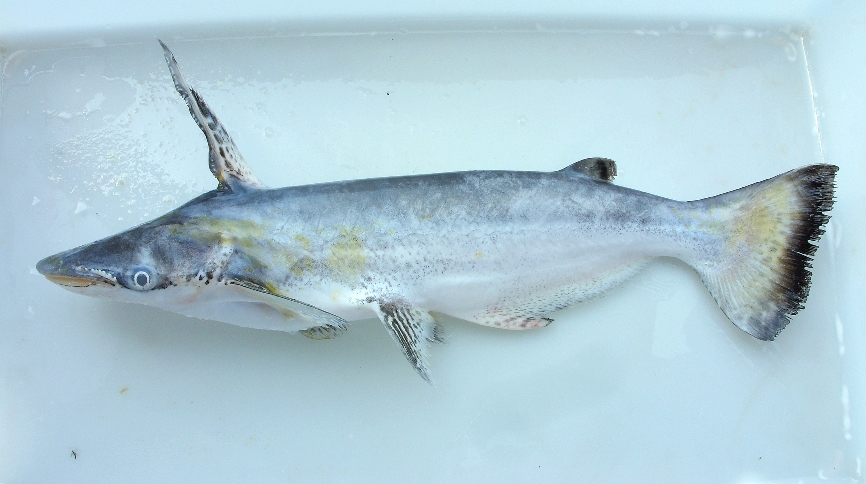
本种尾鳍末端较平截,体表缺少近缘花斑种那样明显的斑驳花纹。种加词虽然含有“无武装”之意,它实际上有鳍棘,不能据名称判断抓取安全性。
图片
图片来自 SeriouslyFish,版权归各摄影者所有。
English
Overview
Ageneiosus inermis is a large carnivorous catfish whose adult space and filtration requirements generally exceed those of a home aquarium. Its ability to swallow substantial prey must be considered from the start, rather than judging suitability from a juvenile.
Distribution & habitat
It ranges widely through South America east of the Andes, including the Amazon, Orinoco, Tocantins, and Paraná systems. Presence within Uruguay remains uncertain. Many records concern lower river channels and major tributaries. Angling observations suggest a preference for faster water around submerged structures or vegetation.
Aquarium setup
Adults require a footprint exceeding 400 × 120 cm, normally placing them in the realm of large dedicated facilities or public aquariums. Subdued lighting and shelters formed by substantial wood, rocks, or wide pipes are likely to be suitable.
Very large filtration capacity, disciplined water changes, and high dissolved oxygen are essential. Unlike some relatives, it cannot breathe atmospheric air, so air breathing cannot compensate for poorly oxygenated water.
Diet & feeding
This species is carnivorous. Experience with large members of its genus indicates that new arrivals may initially recognize only live fish. Many can gradually be trained onto thawed fish and shellfish, and some eventually take carnivore pellets.
Beef heart, chicken, and similar terrestrial meats are unsuitable routine foods. Long-term reliance on poorly conditioned feeder fish also risks introducing parasites or disease without necessarily providing an appropriate nutritional profile.
Behaviour & compatibility
Prey size is the central compatibility issue. Comparable large catfishes or substantial open-water fishes are the only plausible companions, and even those combinations usually demand public-aquarium accommodation. Similar length alone is not a guarantee of safety.
Sexual dimorphism
Breeding males in this genus develop a steeper nuchal profile, elongated ossified upper-jaw barbels with toothlike projections, and an enlarged dorsal-fin outline. The front anal-fin rays thicken, lengthen, and fuse to support the copulatory structure. Females also have elongated anterior anal-fin rays, but lack the full seasonal male modifications.
Breeding
Confirmed aquarium reproduction is unrecorded. Internal fertilization occurs through the modified male reproductive structures, with barbels and dorsal-fin modifications involved in courtship and physical contact. Internal fertilization should not be equated with livebearing.
Natural breeding follows rainy-season conditions. A warm phase followed by cooler water changes has been suggested as a possible stimulus, but is not a proven captive protocol.
Notes
The relatively truncate tail and lack of prominent mottling help distinguish this fish from a patterned relative. Despite a species name meaning unarmed, it does possess fin spines.
来源
- https://www.seriouslyfish.com/species/ageneiosus-inermis(抓取于 2026-10-10)
ageneiosus-inermis · 文件: data/species/ageneiosus-inermis.md · 状态: 草稿