砂南鳅 · Half-banded Loach
概要
| 字段 | 值 |
|---|---|
| 类别 | 鱼 |
| 学名 | Acoura savona |
| 别名 | 砂南鰍、Cobitis savona、Nemacheilus savona、Noemacheilus savona、Cobites obscura、Schistura savona |
| 分类 | 鲤形目 Cypriniformes › 条鳅科 Nemacheilidae › Acoura |
| 水体 | 淡水 |
| 原产地 | 印度、尼泊尔和孟加拉国,东喜马拉雅山麓相关河流水系 |
| 成体体长 | 5 cm |
| 饲养难度 | 中等 |
| 最小水体 | 54 L |
| 最小缸长 | 60 cm |
| 群居方式 | 群游 |
| 水流偏好 | 高 |
| 外部数据 | seriouslyfish acoura-savona;fishbase 24615 |
| 食性 | 杂食 |
水质参数
| 参数 | 耐受范围 | 最适范围 | 单位 |
|---|---|---|---|
| 水温 | 15–24 | — | °C |
| pH | 6.5–8.5 | — | — |
| 总硬度 | 2–15 | — | dGH |
概述
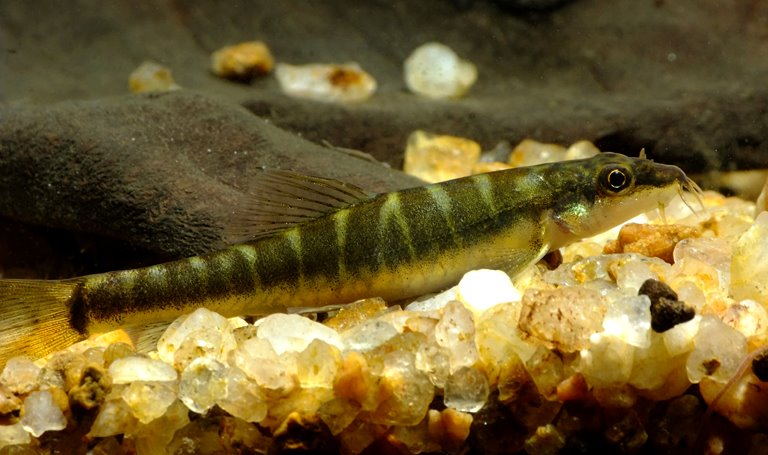
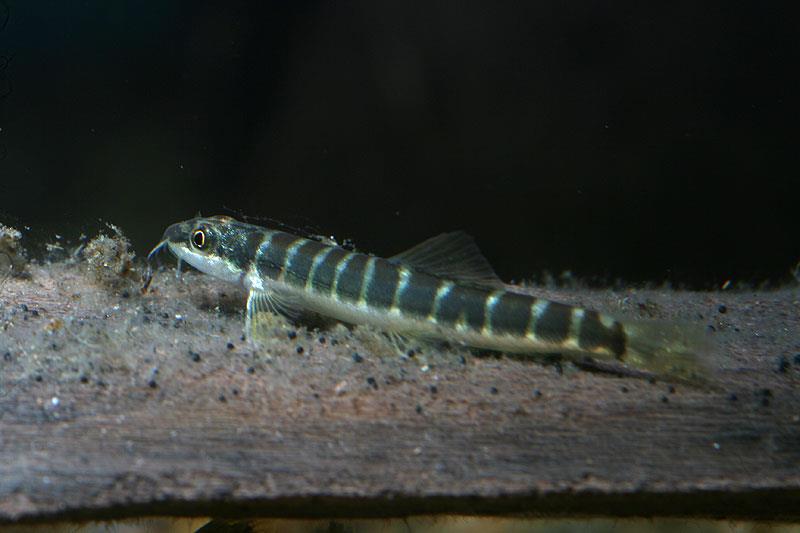
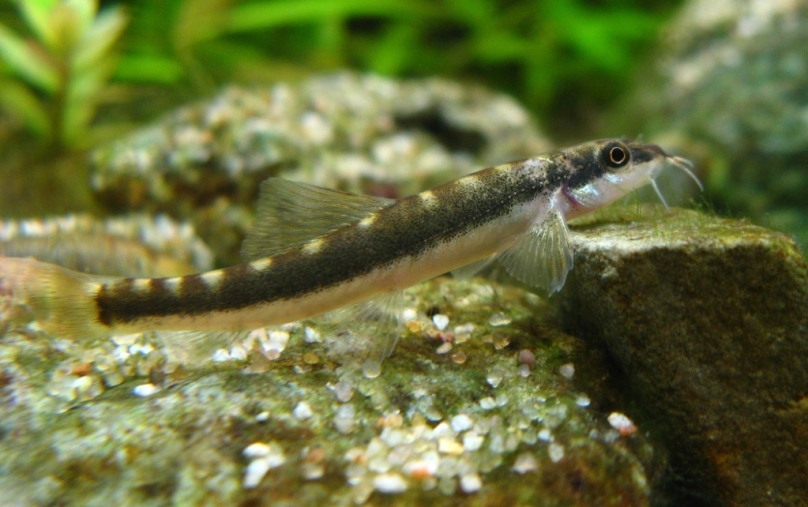
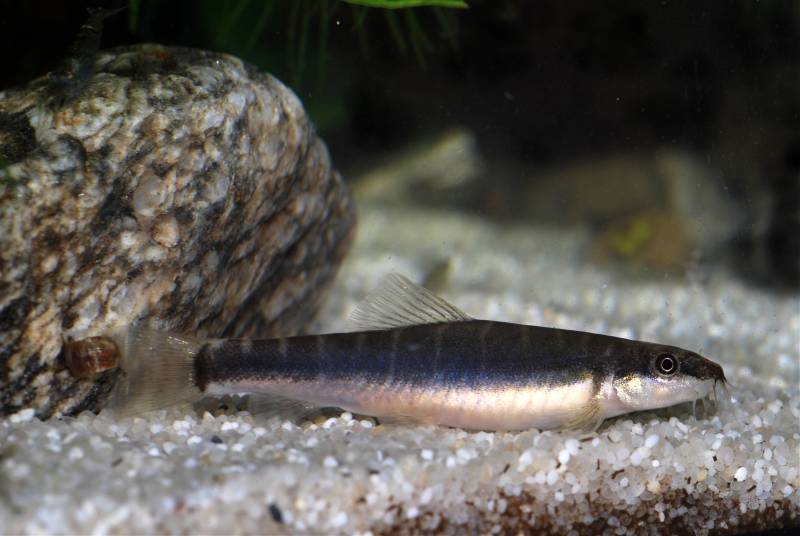
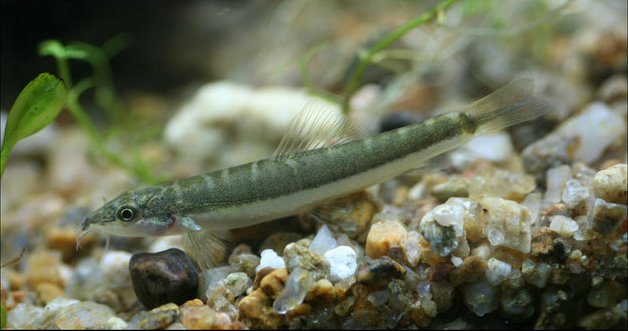
砂南鳅(Acoura savona)上半身深色,其上有九至十条细黄色横带,下半身偏白。它在同科鳅类中攻击性较低,适合有遮蔽、富氧且维护良好的溪流式混养缸,但伙伴仍需谨慎选择。
分布与栖息地
分布于印度、尼泊尔和孟加拉国的东喜马拉雅山麓相关水系,模式标本来自科西河。季风使许多栖息地的水深、流量和水流随季节大幅变化。
并非所有采集点都是急流:孟加拉国的一处栖息地为清澈、浅而缓流的溪流,底部有砂和有机碎屑。
饲养环境
底面积至少约 60 × 30 cm,以大小石块、砂砾和圆石搭建底床,枝木形成洞缝、阴影和视线阻隔。水草可以选择固定在硬景上的耐受种类。
需要充足溶氧和适当水流,但不必营造猛烈激流。根据缸况使用过滤、造流或气石,避免有机污物积累,每周换水约三至五成作为常规维护。
食性与喂食
属于杂食,但主要吃小昆虫、蠕虫、甲壳类和其他浮游动物,植物与有机碎屑占比较少。可接受适口干粮,却不宜只喂干粮,每天轮换少量水蚤、丰年虾、红虫等活饵或冷冻饵更利于状态。
习性与混养
与生活在相似水环境、活动于开阔水域的温和鱼混养较合适,这类陪游鱼能帮助底栖鱼安心活动。合适的喜流鳅类或底栖鲤科鱼也可考虑,但大多数情况下应避免外形过分相似的近缘鱼,除非空间充足。
它不是紧密群游鱼,却似乎更适合有同类陪伴。提供大量遮蔽时,彼此冲突通常较轻。
雌雄区分
成年雌鱼一般略大,身体比雄鱼更粗壮。
补充说明
旧名称中常见 Schistura savona,与现用名指向同一条物种记录。辨识时应看完整的上下双色和细横带组合,不仅依靠“双色鳅”的商品标签。
图片
图片来自 SeriouslyFish,版权归各摄影者所有。
English
Overview
The half-banded loach (Acoura savona) has a dark upper body crossed by nine or ten narrow yellowish bars and a pale lower half. It is among the less aggressive nemacheilids and can suit a carefully chosen community with abundant shelter and clean, oxygenated water.
Distribution & habitat
It occurs in India, Nepal, and Bangladesh in river systems associated with the eastern Himalayan foothills. The type material came from the Kosi. Monsoon rainfall produces substantial seasonal changes in depth, discharge, and current.
Not every locality is torrential: one collection site in Bangladesh was a clear, shallow, slow stream over sand and organic debris.
Aquarium setup
Provide a footprint of roughly 60 × 30 cm or larger. Arrange stones, sand, fine gravel, and rounded boulders with wood that creates shaded crevices and interrupts sight lines. Hardy plants can be attached to the structure.
High oxygen levels and some circulation are beneficial, but torrent conditions are unnecessary. Use filtration, supplementary circulation, or aeration as required. Prevent organic waste buildup and include weekly changes of around 30–50 percent in routine care.
Diet & feeding
This omnivore eats predominantly small insects, worms, crustaceans, and other zooplankton, with smaller amounts of plant material and detritus. Appropriately sized dry foods are accepted, but should not be the entire diet. Daily small live or frozen offerings such as water fleas, brine shrimp, and bloodworms support good condition.
Behaviour & compatibility
Peaceful open-water fishes from similar habitats make useful companions and may encourage confidence. Suitable current-loving loaches and bottom-dwelling cyprinids are other possibilities. Avoid similarly shaped relatives in most setups unless there is ample space.
It does not form a tight school, but appears to benefit from company of its own species. With plentiful cover, disputes are usually minor.
Sexual dimorphism
Adult females generally grow slightly larger and heavier-bodied than males.
Notes
Older records commonly use the name Schistura savona. Identify the fish by the complete combination of pale lower body, dark upper body, and narrow bars rather than a bicolor trade label alone.
来源
- https://www.seriouslyfish.com/species/acoura-savona(抓取于 2026-10-10)
acoura-savona · 文件: data/species/acoura-savona.md · 状态: 草稿