巴西狼牙脂鲤 · Pantanal Barracuda Tetra
概要
| 字段 | 值 |
|---|---|
| 类别 | 鱼 |
| 学名 | Acestrorhynchus pantaneiro |
| 别名 | 巴西狼牙脂鯉、Salmo denticulosus、Salmo vigintisexradiatus |
| 分类 | 脂鲤目 Characiformes › 狼牙脂鲤科 Acestrorhynchidae › Acestrorhynchus |
| 水体 | 淡水 |
| 原产地 | 阿根廷、玻利维亚、巴西、巴拉圭、乌拉圭 |
| 成体体长 | 24 cm |
| 饲养难度 | 中等 |
| 最小水体 | 2025 L |
| 最小缸长 | 250 cm |
| 群居方式 | 群游 |
| 特征 | 吃小鱼: 是;会跳缸: 是 |
| 外部数据 | seriouslyfish acestrorhynchus-pantaneiro;fishbase 52503 |
| 食性 | 肉食 |
水质参数
| 参数 | 耐受范围 | 最适范围 | 单位 |
|---|---|---|---|
| 水温 | 22–28 | — | °C |
| pH | 6–7.5 | — | — |
| 总硬度 | 2–12 | — | dGH |
概述
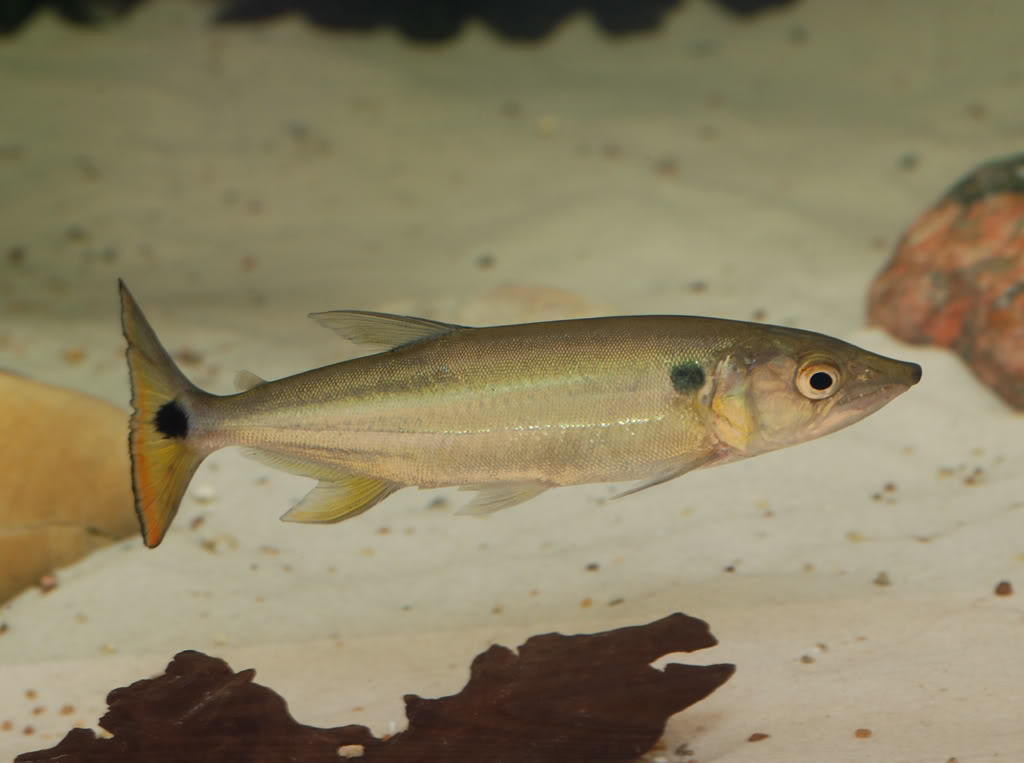
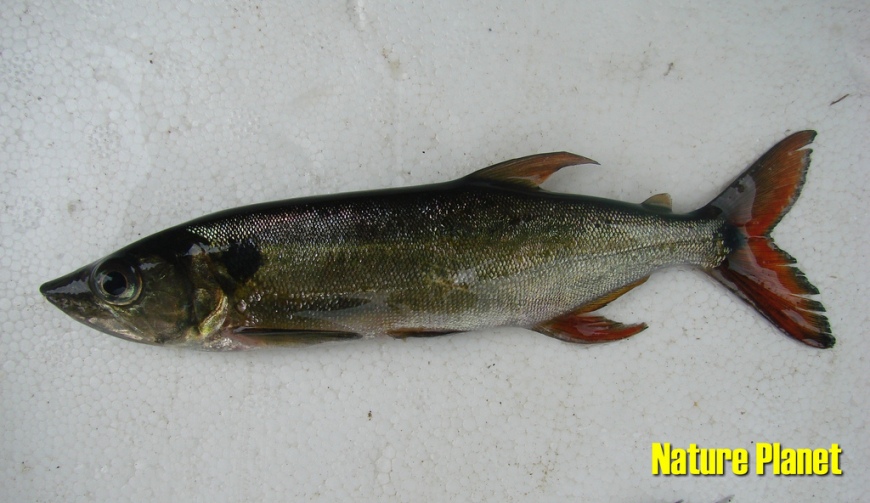
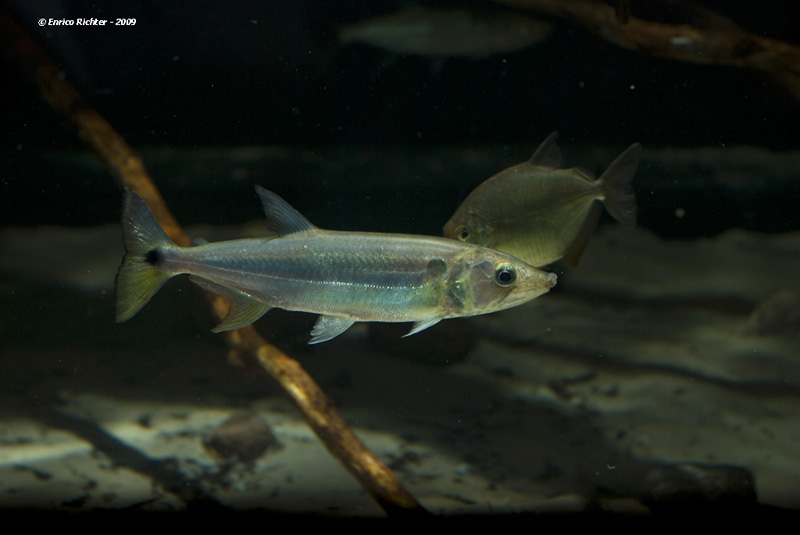
巴西狼牙脂鲤(Acestrorhynchus pantaneiro)是南美洲的食鱼性脂鲤,鳃盖后有近圆形深色斑。它与同组近亲的外观很接近,贸易中若没有采集地点,常难准确区分;买鱼时应一并关注来源和成年所需空间。
分布与栖息地
分布涉及巴西、巴拉圭、乌拉圭、阿根廷和玻利维亚,包括巴拉那河下游、乌拉圭河、拉普拉塔水系和马莫雷河等。由于近亲身份长期混淆,完整天然范围仍有不确定性。生活在大河与支流,雨季常移入洪泛区。
饲养环境
长期饲养至少参考 250 × 90 厘米底面,幼鱼也要留足游动距离,狭窄环境容易使它惊游撞缸。尽量保持大面积开阔水域,细砂上少量布置落叶、枝根与植物即可,避免遮挡过多。
这种强跳跃鱼必须严密加盖。采用成熟高效过滤,出水带动水面,并每周换水 30%–50%。它对有机污染和水质骤变敏感,不能直接放入新开的未成熟系统。
食性与喂食
专门捕食鱼类,猎物可相对自身颇大。新进口个体可能仅接受活鱼,多数能逐步转到非活饵,部分也会学吃干饲料。日常避免长期依赖未经健康管理的活饵鱼,也不投喂牛心、禽肉,以减少病原、寄生虫及不合适脂肪带来的问题。
习性与混养
与体型大到不能吞食的伙伴通常较温和,宜选不强领地、不激烈抢食的鱼。幼鱼群游倾向明显,成鱼较独立但仍会聚集,建议至少四尾且大小相近。不同大小混在一起可能出现同类相食,即使平常没有争斗也不能保证安全。
雌雄区分
成熟雌鱼通常略大,身体更高厚。
繁殖
目前可借鉴的是同属近亲的观察:雌鱼停在中层水域,雄鱼环绕游八字,随后大量散卵且没有亲鱼照料。这是近亲行为信息,不能当作本种已有稳定人工繁殖方法。
图片
图片来自 SeriouslyFish,版权归各摄影者所有。
English
Overview
A South American piscivore, Acestrorhynchus pantaneiro has a roughly round dark shoulder mark. Similar relatives can be extremely difficult to distinguish in the trade without locality information. Establishing identity and providing adult swimming space are closely linked purchasing decisions.
Distribution & habitat
Records cover Brazil, Paraguay, Uruguay, Argentina, and Bolivia, including the lower Paraná, Uruguay, Río de la Plata system, and Mamoré. Confusion with close relatives leaves the exact range uncertain. Large river channels and tributaries are used, with wet-season access to flooded habitat.
Aquarium setup
A long-term footprint near 250 by 90 cm is suggested, with substantial swimming distance even for juveniles. Confined fish can injure themselves during startled movements. Keep most of the aquarium open, using only restrained leaves, wood, and plants over sand.
A secure lid is essential. Mature, efficient filtration should create surface movement and be supported by weekly 30–50% changes. Organic pollution and sudden chemistry shifts are poorly tolerated; newly established systems are inappropriate.
Diet & feeding
This specialist fish predator can take relatively large prey. New imports may initially respond only to live fish, but transition to dead alternatives is often possible and some accept dry foods. Avoid routine feeder fish and mammalian or avian meats because of pathogen, nutritional, and fat-composition concerns.
Behaviour & compatibility
Choose placid companions beyond swallowing size, avoiding territorial or strongly competitive species. Juveniles school readily; adults become more independent but still assemble. A group of four or more similarly sized fish is suggested. Lack of fighting does not protect a smaller conspecific from being eaten.
Sexual dimorphism
Mature females tend to be slightly larger and deeper-bodied.
Breeding
The available comparison comes from a congener, with a male circling a stationary female in midwater before numerous eggs are released without parental care. It is related-species information rather than a proven captive protocol for this fish.
来源
- https://www.seriouslyfish.com/species/acestrorhynchus-pantaneiro(抓取于 2026-10-10)
acestrorhynchus-pantaneiro · 文件: data/species/acestrorhynchus-pantaneiro.md · 状态: 草稿