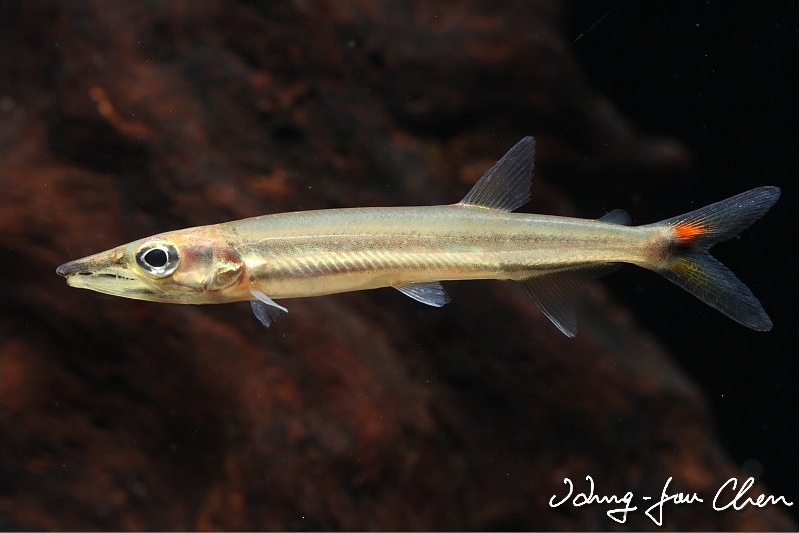
Acestrorhynchus isalineae · Striped Barracuda Tetra
概要
| 字段 | 值 |
|---|---|
| 类别 | 鱼 |
| 学名 | Acestrorhynchus isalineae |
| 别名 | Zweistreifen Hundssalmler |
| 分类 | 脂鲤目 Characiformes › 狼牙脂鲤科 Acestrorhynchidae › Acestrorhynchus |
| 水体 | 淡水 |
| 原产地 | 巴西 |
| 成体体长 | 10.5 cm |
| 饲养难度 | 中等 |
| 最小水体 | 243 L |
| 最小缸长 | 120 cm |
| 群居方式 | 群游 |
| 特征 | 吃小鱼: 是;会跳缸: 是 |
| 外部数据 | seriouslyfish acestrorhynchus-isalineae;fishbase 52522 |
| 食性 | 肉食 |
| 性情 | 温和 |
水质参数
| 参数 | 耐受范围 | 最适范围 | 单位 |
|---|---|---|---|
| 水温 | 24–28 | — | °C |
| pH | 6–7.5 | — | — |
| 总硬度 | 1–12 | — | dGH |
概述
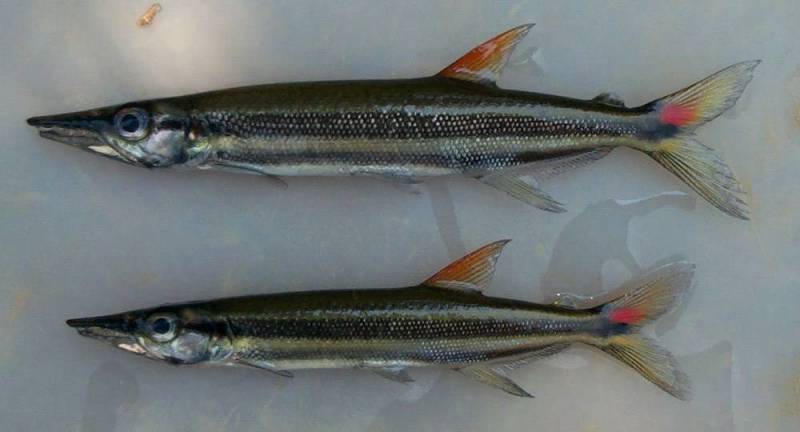
Acestrorhynchus isalineae 是保留两条深色纵纹的小型食鱼性脂鲤类。体形不大却游得快、活动量高,幼鱼也需要宽敞空间;群体成员大小应相近,否则可能大吃小。
分布与栖息地
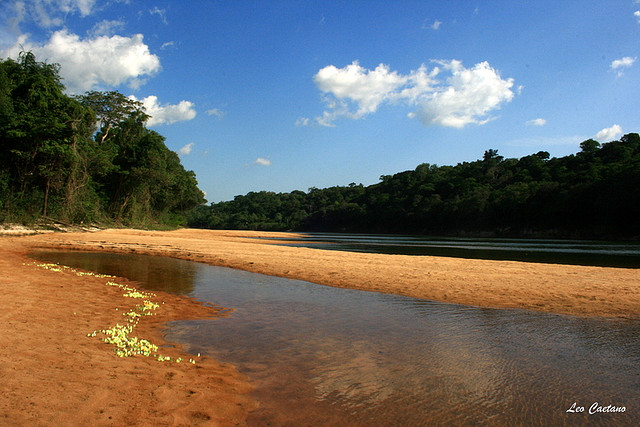
来自巴西亚马孙地区的马德拉河流域。大多数正式记录仍限于马尔梅洛斯河的一条支流,实际分布可能延伸至流域其他地方。
饲养环境
底面积至少约 120 × 45 cm,并留出充分游动空间。可用砂、砾石和光滑大石布置溪流景观,沉木枝根及水草安排在不妨碍游动的位置。幼鱼在狭小环境中容易受惊撞缸,缸盖必须严密防跳。
使用高效过滤并让出水扰动水面。每周换水 30–50%,避免有机污染和水质剧烈变化,只能在成熟稳定的缸中引入。
食性与喂食
专门捕食鱼类,能够吞下相对自身不小的猎物。新到个体可能只认活鱼,多数适应后可转为非活体食物,少数还能接受干粮。不要长期依赖饵料鱼,也不宜投喂牛心、鸡肉等;前者可能带来病原,后者的脂肪不适合这类鱼长期利用。
习性与混养
对大到无法吞下的伙伴相对温和,仍应避开强领地性或抢食过强的鱼。温和且体形适当的慈鲷、中型棘鲶、异型及较大型脂鲤可作为候选。
同种之间通常不攻击,幼鱼群游倾向尤其明显;成鱼较独立,但仍会不时聚集,宜至少四尾。补充新成员时也要保持大小接近,不能只看它们属于同种就忽视互食风险。
雌雄区分
成熟雌鱼通常稍大、身体更高厚。
繁殖
近缘种(Acestrorhynchus falcatus)有中层散卵、无亲代照料的观察,但不能直接作为本种已经确认的繁殖记录。
补充说明
成鱼仍保留两条纵纹,一条由吻端延至尾鳍基部,另一条沿较低的体侧延伸至尾柄腹面。其他近似种幼鱼也可能有相似花纹,辨认时需结合成体差异,不能只看条纹。
图片
图片来自 SeriouslyFish,版权归各摄影者所有。
English
Overview
Acestrorhynchus isalineae is a small fish predator retaining two dark lengthwise stripes as an adult. Modest body size does not mean modest space needs: it is fast and active, and even juveniles require room. Keep group members similar in size to reduce cannibalism risk.
Distribution & habitat
It comes from Brazil’s Madeira drainage in the Amazon basin. Most formal records concern a tributary of the Marmelos River, although the species may occur elsewhere within the system.
Aquarium setup
Provide a footprint of at least about 120 × 45 cm with generous unobstructed swimming lanes. Sand, gravel, rounded rocks, and wood can create a river setting, with planting kept clear of those lanes. Confined juveniles may panic and strike the glass. Secure the lid against jumping.
Use effective filtration and surface agitation. Weekly changes of 30–50% are appropriate because organic pollution and sudden chemical shifts are poorly tolerated. Introduce fish only to a stable, biologically mature aquarium.
Diet & feeding
This specialized fish-eater can consume comparatively large prey. Newly imported specimens may initially recognize only live fish, but most can learn to accept nonliving alternatives and a few take dry preparations. Routine feeder fish introduce disease risks; mammalian or poultry meats also make unsuitable long-term food because of their poorly utilized fats.
Behaviour & compatibility
Fish too large to swallow are usually treated peacefully. Avoid strongly territorial or highly competitive companions; appropriately sized placid cichlids, doradids, loricariids, and larger characins are possibilities.
Conspecific aggression is generally low, and juveniles school strongly. Adults become more independent but still gather intermittently, so retain at least four. Match sizes when forming or supplementing a group rather than assuming conspecifics cannot become prey.
Sexual dimorphism
Mature females usually grow slightly larger and develop deeper bodies.
Breeding
Midwater egg scattering without parental care has been observed in Acestrorhynchus falcatus. That related-species account should not be presented as confirmed breeding of this species.
Notes
One adult stripe extends from the snout to the tail base and another runs lower along the body toward the underside of the tail stalk. Similar juvenile patterns occur in other relatives, so stripes alone are insufficient for identification.
来源
- https://www.seriouslyfish.com/species/acestrorhynchus-isalineae(抓取于 2026-10-10)
acestrorhynchus-isalineae · 文件: data/species/acestrorhynchus-isalineae.md · 状态: 草稿