镰状狼牙脂鲤 · Red-Tailed Freshwater Barracuda
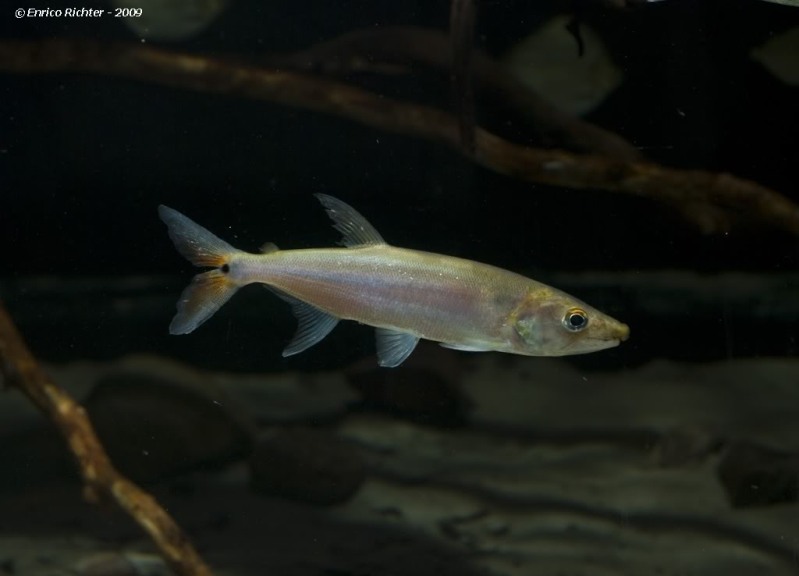
概要
| 字段 | 值 |
|---|---|
| 类别 | 鱼 |
| 学名 | Acestrorhynchus falcatus |
| 别名 | 鐮狀狼牙脂鯉、Redtail Barracuda Tetra、Redtail Cachorro、Zweitupfen-Hundssalmler、Salmo falcatus、Salmo pulverulentus、Xiphorhamphus ferox、Acestrorhynchus falcatus varius |
| 分类 | 脂鲤目 Characiformes › 狼牙脂鲤科 Acestrorhynchidae › Acestrorhynchus |
| 水体 | 淡水 |
| 原产地 | 巴西、法属圭亚那、圭亚那、秘鲁、苏里南、委内瑞拉 |
| 成体体长 | 27.5 cm |
| 饲养难度 | 中等 |
| 最小水体 | 2025 L |
| 最小缸长 | 250 cm |
| 特征 | 吃小鱼: 是;会跳缸: 是 |
| 外部数据 | seriouslyfish acestrorhynchus-falcatus;fishbase 23498 |
| 食性 | 肉食 |
水质参数
| 参数 | 耐受范围 | 最适范围 | 单位 |
|---|---|---|---|
| 水温 | 22–28 | — | °C |
| pH | 6–7.5 | — | — |
| 总硬度 | 1–12 | — | dGH |
概述
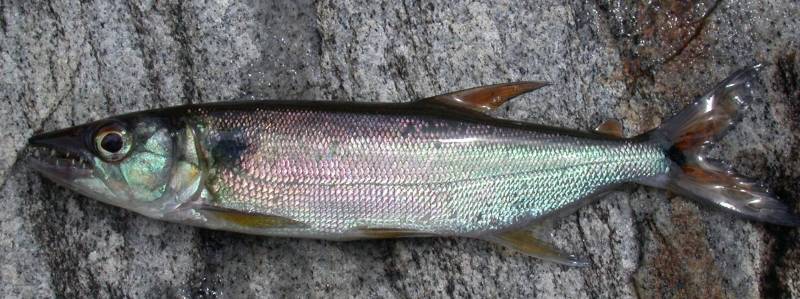
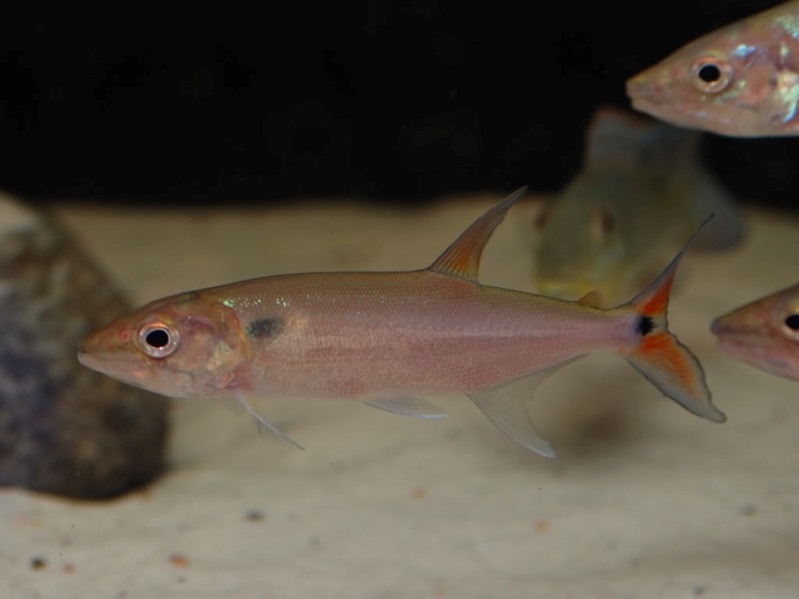
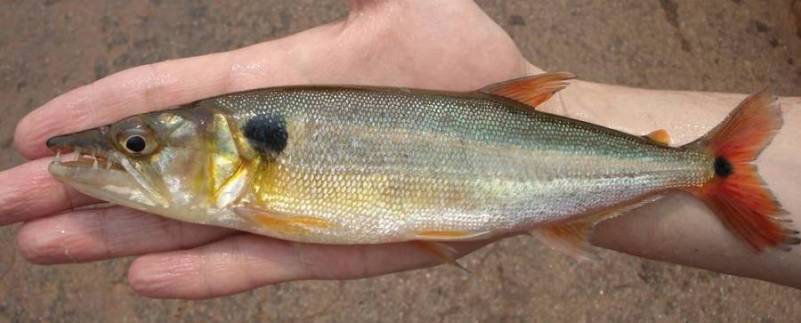
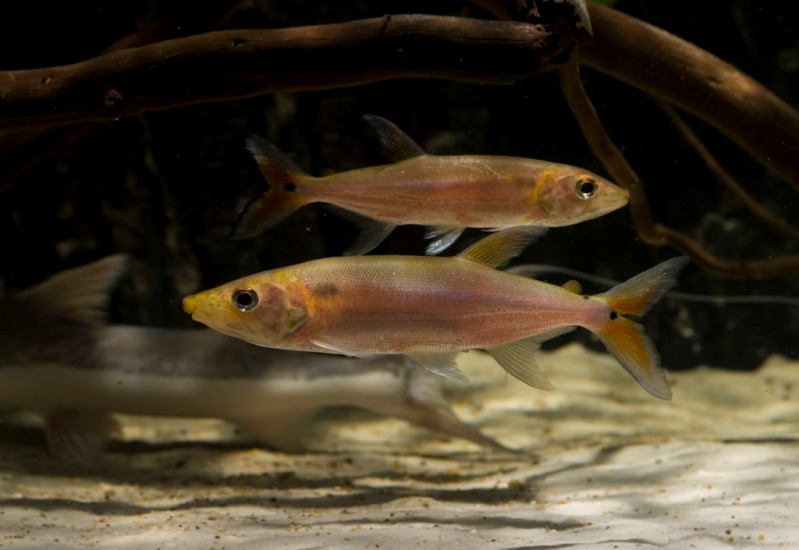
镰状狼牙脂鲤(Acestrorhynchus falcatus)是游速快、以鱼为食的南美脂鲤。鳃盖后方大而纵长、像倒置水滴的黑斑很有辨识度。虽然英语俗名类似海水梭鱼,但这是外形与习性上的类比,不代表近缘关系。
分布与栖息地
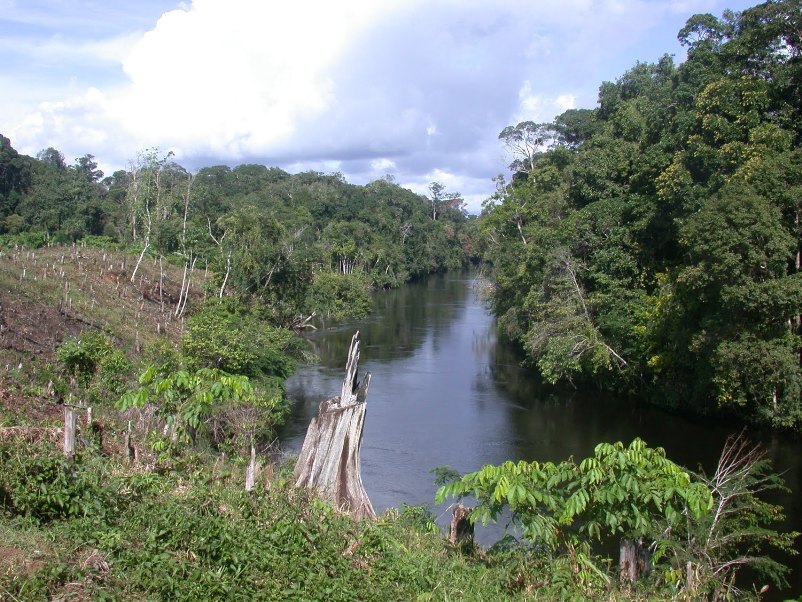
分布在秘鲁、巴西的亚马孙北部水系、委内瑞拉奥里诺科河,以及圭亚那、苏里南和法属圭亚那的沿海河流。生活在大河主槽和支流,据称较偏好清水和黑水环境,而非浑浊白水。
饲养环境
长期饲养参考至少 250 × 90 厘米底面,即使幼鱼也要宽敞,避免惊游时撞缸。开阔游动区应占绝大部分空间,少量细砂、落叶、沉木和植物即可,密集遮挡不一定使它更安心。
缸盖务必贴合严密,成熟过滤要足以承担肉食鱼的排泄量,出水造成适当水面波动。每周换水 30%–50%,注意水质稳定,不能把它放进尚未成熟的缸。
食性与喂食
专性食鱼,能吞吃较大的猎物。新进口鱼可能只吃活鱼,但多数可逐渐训到非活饵,部分能接受干饲料。日常不应依赖未经健康和营养管理的活饵鱼,也不要用牛心或禽肉替代适合鱼类的饵料。
习性与混养
对不能吞食的鱼通常较温和,适合搭配温和、体型足够的鱼,避开强领地和抢食激烈的伙伴。同种幼鱼明显群游,成鱼可能较独立但仍会聚集,至少四尾、体型接近的组合更合适。可吞下的小个体即使是同种也有危险。
雌雄区分
成熟雌鱼往往略大且体高较深,雄鱼相对修长。
繁殖
据报道,水族箱中曾观察到求偶和产卵,但尚未成功养大仔鱼。描述的过程是在中层水域,雄鱼绕静止雌鱼游八字,随后大量散卵且不护卵;这些记录不能等同于稳定可重复的人工繁殖流程。
图片
图片来自 SeriouslyFish,版权归各摄影者所有。
English
Overview
A fast-moving South American fish predator, Acestrorhynchus falcatus is recognized by a large, vertically elongated, inverted-teardrop marking behind the gill cover. Its barracuda trade name reflects appearance and behavior, not a close relationship with marine barracudas.
Distribution & habitat
The range covers northern Amazon tributaries in Peru and Brazil, the Venezuelan Orinoco, and coastal rivers of Guyana, Suriname, and French Guiana. Main channels and tributaries are used, with a reported preference for clear or black water over turbid white-water habitats.
Aquarium setup
Provide a long-term footprint of about 250 by 90 cm. Even youngsters need substantial room to avoid collisions when startled. Most of the aquarium should remain open; modest sand, leaves, wood, and planting are sufficient. Dense cover can increase stress.
Secure the lid and use mature filtration sized for a predatory fish’s waste load. Surface movement and weekly changes of 30–50% support water quality. Avoid immature systems and abrupt changes in chemistry.
Diet & feeding
This obligate piscivore takes relatively large prey. Newly imported fish may demand live prey at first, but many learn to accept dead alternatives and some dry foods. Avoid relying on unconditioned feeder fish, and do not substitute mammalian or avian meat for suitable fish foods.
Behaviour & compatibility
Companions should be peaceful and beyond swallowing size, without strong territorial or competitive habits. Juveniles are especially inclined to school; adults become more independent but still group periodically. Keep four or more of comparable size, since a smaller conspecific can become prey.
Sexual dimorphism
Mature females are usually a little larger and deeper-bodied, with males appearing more slender.
Breeding
Aquarium accounts describe courtship and spawning, but not successful fry rearing. Reported behavior involves a male looping around a stationary female in midwater, followed by many freely released eggs and no parental care. These observations do not establish a reliable captive breeding protocol.
来源
- https://www.seriouslyfish.com/species/acestrorhynchus-falcatus(抓取于 2026-10-10)
acestrorhynchus-falcatus · 文件: data/species/acestrorhynchus-falcatus.md · 状态: 草稿