Acanthopsoides robertsi
概要
| 字段 | 值 |
|---|---|
| 类别 | 鱼 |
| 学名 | Acanthopsoides robertsi |
| 分类 | 鲤形目 Cypriniformes › 鳅科 Cobitidae › Acanthopsoides |
| 水体 | 淡水 |
| 原产地 | 印度尼西亚、马来西亚 |
| 成体体长 | 7.5 cm |
| 饲养难度 | 入门 |
| 最小水体 | 54 L |
| 最小缸长 | 60 cm |
| 群居方式 | 群游 |
| 性情 | 温和 |
| 特征 | 会跳缸: 是;翻底砂: 是 |
| 外部数据 | seriouslyfish acanthopsoides-robertsi;fishbase 23008 |
水质参数
| 参数 | 耐受范围 | 最适范围 | 单位 |
|---|---|---|---|
| 水温 | 20–24 | — | °C |
| pH | 5.5–7 | — | — |
| 总硬度 | 1–5 | — | dGH |
概述
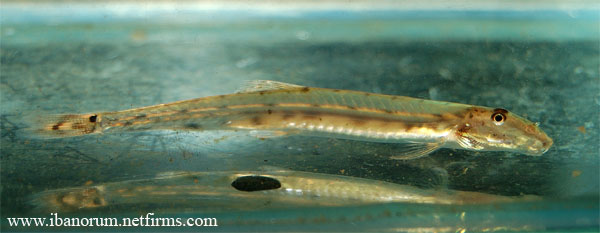
Acanthopsoides robertsi 是婆罗洲的小型马面鳅类,尾鳍深色三角斑比单看体色更有识别价值。它喜欢同种群体,也会钻砂隐藏,适合安静、有柔软砂底的水族箱。
分布与栖息地
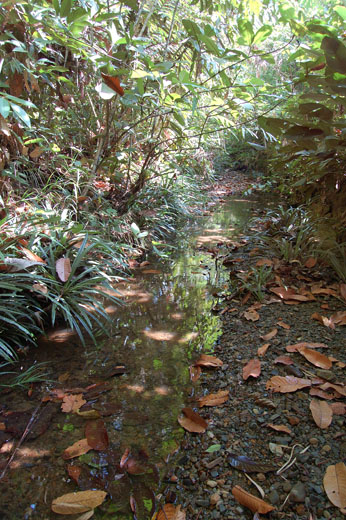
正式描述来自印度尼西亚西加里曼丹 Kapuas 河流域,模式地点为河旁牛轭湖。更北部靠近砂拉越边界的 Kayan、Sambas 流域也采到十分相似的鱼,其对应关系仍应谨慎理解。
同属鱼主要利用清澈流动河道的砂、细砾或泥底,本种一些栖地可能随季节改变水深、流量和流速。水族饲养不需要模拟持续激流。
饲养环境
至少约 60 × 30 cm 底面积,必须有柔软细砂,使它能完全埋入或只露双眼。粗砾可能造成紧张、擦伤并影响觅食。先稳放平滑岩石、根枝和沉木,再铺砂,以免掏空底部后造景倒塌。
灯光可较暗,少量叶片增加遮蔽。供氧需适当,水流不要过强。小鱼可能进入过滤进水口,应做好防护;缸盖严密,尤其留意刚入缸时的跳出风险。
食性与喂食
同属鱼通过含入底质、经鳃筛出昆虫幼虫和小甲壳动物觅食。人工菜单可由沉底干粮配合丰年虾、水蚤、红虫、水蚯蚓等活饵或冻饵组成。
习性与混养
至少六条更适合其群体生活。温和小型上层群游鱼可提供安全感;其他鳅类必须先确认不会强占地盘或持续骚扰。不要把所有底部鱼都视为合适伙伴。
雌雄区分
雄鱼成熟后胸鳍增大,第二鳍条较粗且延长,分枝部分带细小繁殖结节。成年雌鱼通常更粗壮、略大。
繁殖
本种没有明确水族繁殖记录。暂名 Acanthopsoides sp. 'A01' 曾有独养一对后发现幼鱼的结果,但这只能作为近亲观察,不能直接变成本种繁殖方法。
补充说明
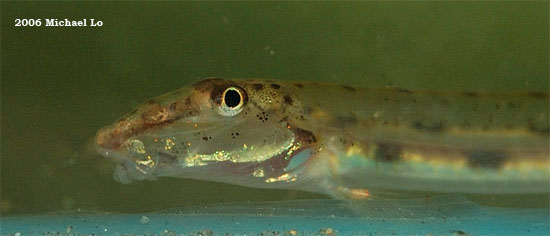
尾鳍深色三角斑、背中线 13–20 个斑点和尾鳍上叶基部深斑周围的浅色区可辅助识别。贸易中相似鱼仍可能误认,应保留种源与照片。捞鱼时留意可竖起的眼下棘,避免挂住网眼。
图片
图片来自 SeriouslyFish,版权归各摄影者所有。
English
Overview
Acanthopsoides robertsi is a small Bornean horse-faced loach recognizable in part by a dark triangular tail marking. Conspecific company and soft sand for concealment are central to its care in a quiet aquarium.
Distribution & habitat
It was described from the Kapuas basin in West Kalimantan, Indonesia, with an oxbow beside the river as the type locality. Similar fish from the Kayan and Sambas systems near the Sarawak border require cautious interpretation of identity.
The genus mainly uses clear flowing channels with sand, fine gravel, or mud. Some local habitats probably undergo seasonal changes in depth and current. Continuous torrent conditions are unnecessary in captivity.
Aquarium setup
Provide at least about 60 × 30 cm and fine soft sand, allowing complete burial or concealment with only the eyes exposed. Coarse gravel risks stress, injury, and disrupted feeding. Place secure stones and wood before the sand so burrowing cannot topple them.
Subdued light and a little leaf litter provide shelter. Maintain oxygenation without excessive current. Protect filter intakes from small fish and cover the aquarium securely, particularly while newcomers settle.
Diet & feeding
Related members of the genus sift insect larvae and small crustaceans from substrate. A suitable captive menu combines sinking dry foods with live or frozen brine shrimp, Daphnia, bloodworms, and aquatic worms.
Behaviour & compatibility
Keep at least six to support its gregarious behavior. Calm small fish swimming above the bottom can provide reassurance. Other loaches need screening for strong territoriality or aggression; a shared bottom habitat does not guarantee compatibility.
Sexual dimorphism
Mature males develop enlarged pectorals with a thickened, extended second ray and fine breeding tubercles on its branched section. Adult females are generally fuller and a little larger.
Breeding
Aquarium reproduction has not been confirmed. Fry found with an isolated pair of Acanthopsoides sp. 'A01' are a related observation, not a verified breeding method for this species.
Notes
The triangular tail mark, thirteen to twenty dorsal midline spots, and pale area around the upper tail-base spot aid identification. Preserve provenance and photographs because similar traded fish remain confusing. Erectable eye spines require care with nets.
来源
- https://www.seriouslyfish.com/species/acanthopsoides-robertsi(抓取于 2026-10-10)
acanthopsoides-robertsi · 文件: data/species/acanthopsoides-robertsi.md · 状态: 草稿