Acanthopsoides molobrion
概要
| 字段 | 值 |
|---|---|
| 类别 | 鱼 |
| 学名 | Acanthopsoides molobrion |
| 分类 | 鲤形目 Cypriniformes › 鳅科 Cobitidae › Acanthopsoides |
| 水体 | 淡水 |
| 原产地 | 印度尼西亚、马来西亚、泰国 |
| 成体体长 | 5 cm |
| 饲养难度 | 入门 |
| 最小水体 | 54 L |
| 最小缸长 | 60 cm |
| 群居方式 | 群游 |
| 性情 | 温和 |
| 特征 | 会跳缸: 是;翻底砂: 是 |
| 外部数据 | seriouslyfish acanthopsoides-molobrion;fishbase 23006 |
水质参数
| 参数 | 耐受范围 | 最适范围 | 单位 |
|---|---|---|---|
| 水温 | 20–24 | — | °C |
| pH | 5.5–7 | — | — |
| 总硬度 | 1–10 | — | dGH |
概述
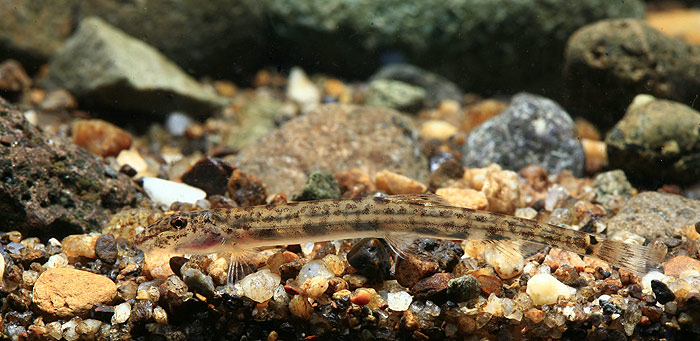
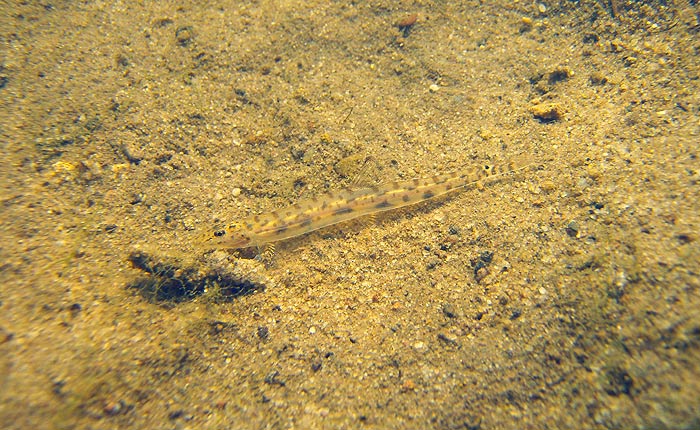
Acanthopsoides molobrion 是小型马面鳅类,喜欢同伴,也会把身体完全埋入砂中,只露出眼睛。柔软砂底是实际生活需求,不是可有可无的装饰。
分布与栖息地
分布于婆罗洲多个地区,包括印度尼西亚与马来西亚砂拉越,也见于马来半岛,已知北界到泰国南部 Tapi 河。模式地是婆罗洲 Mahakam 水系的 Boh 河,在 Kapuas 水系与 Acanthopsoides robertsi 同域。
同属鱼多利用清澈流动河道的砂、细砾或泥底,以不同规模群体出现;具体缸养仍应提供可安全钻入的细砂。
饲养环境
至少约 60 × 30 cm 底面积。粗砾会阻碍钻砂和筛食,甚至擦伤鱼。平滑石块、沉木和根枝应先稳放,再铺底砂,避免鱼挖空下方后造景倒塌。弱光及少量落叶能增加遮蔽。
保持适度供氧,但避免强劲水流。过滤进水口要防止小鱼钻入,缸盖盖严,尤其新入缸时有跳出风险。
食性与喂食
同属鱼会吞入底质,经鳃筛出昆虫幼虫、小型甲壳动物等食物。缸内提供适口沉底干粮,搭配丰年虾、水蚤、红虫或水蚯蚓等活饵、冻饵,保持多样性。
习性与混养
通常温和,至少六条组成群体较合适。温和的小型上层群游鱼可帮助缓解紧张。若加入其他钻砂鳅类,应排除领域性强或好斗的种,不能因同为底层鱼就默认兼容。
雌雄区分
成熟雄鱼胸鳍较大,第二鳍条加粗延长,分枝部分可见小繁殖结节。雌鱼通常更厚实、略大。
繁殖
本种尚无明确水族繁殖记录。另一个暂名 Acanthopsoides sp. 'A01' 曾在仅养成对亲鱼的砂与细砾缸中发现幼鱼,但那项结果不能直接证明本种采用同样条件即可成功。
补充说明
背中线有 10–15 个斑,通常不超过 13 个,尾鳍有三条带,是辨认线索。关于 Acanthopsoides hapalias 是否同物异名曾有争论,本条保留既有身份。捞取鳅类时注意可活动的眼下棘容易挂网。
图片
图片来自 SeriouslyFish,版权归各摄影者所有。
English
Overview
Acanthopsoides molobrion is a small horse-faced loach that benefits from company and spends time buried, sometimes with only its eyes visible. Soft sand is a functional requirement rather than optional decoration.
Distribution & habitat
It occurs across parts of Borneo, including Indonesia and Malaysian Sarawak, as well as Peninsular Malaysia and southern Thailand, where the Tapi marks the known northern limit. The type locality is the Boh River in the Mahakam system. It shares parts of the Kapuas basin with Acanthopsoides robertsi.
Members of the genus generally occupy clear flowing channels over sand, fine gravel, or mud. Aquarium substrate still needs to permit safe burrowing.
Aquarium setup
Allow at least about 60 × 30 cm of floor space. Coarse gravel obstructs burrowing and feeding and may injure the fish. Secure smooth stones, roots, and wood before adding sand so digging cannot undermine them. Dim light and modest leaf litter add cover.
Provide oxygenation without strong currents. Guard filter intakes against small fish and fit a secure lid, especially during initial settling when jumping is a risk.
Diet & feeding
The genus obtains insect larvae and small crustaceans by sifting substrate through the gills. Offer suitable sinking dry foods alongside varied live or frozen brine shrimp, Daphnia, bloodworms, or aquatic worms.
Behaviour & compatibility
Generally peaceful, it is best maintained with at least six conspecifics. Calm small schooling fish above the bottom can help it feel secure. Other sand-dwelling loaches require careful selection because some are strongly territorial or aggressive.
Sexual dimorphism
Mature males have enlarged pectorals with a thickened, extended second ray and small breeding tubercles on its branched section. Females are usually fuller-bodied and slightly larger.
Breeding
Aquarium reproduction has not been confirmed for this species. Fry recovered from a pair of Acanthopsoides sp. 'A01' in sand and fine gravel provide a related observation, not a demonstrated protocol for this fish.
Notes
Ten to fifteen mid-dorsal marks, usually no more than thirteen, and three tail bands aid identification. Historical disagreement over Acanthopsoides hapalias does not change the recorded identity here. Movable eye spines can snag nets during handling.
来源
- https://www.seriouslyfish.com/species/acanthopsoides-molobrion(抓取于 2026-10-10)
acanthopsoides-molobrion · 文件: data/species/acanthopsoides-molobrion.md · 状态: 草稿