多刺棘鲶 · Chocolate Talking Catfish
概要
| 字段 | 值 |
|---|---|
| 类别 | 鱼 |
| 学名 | Acanthodoras spinosissimus |
| 别名 | 多刺棘鯰、Chocolate Raphael、Gestreifter Dornwels、Doras spinosissimus、Doras brunnescens |
| 分类 | 鲶形目 Siluriformes › 棘甲鲶科 Doradidae › Acanthodoras |
| 水体 | 淡水 |
| 原产地 | 巴西、哥伦比亚、圭亚那、秘鲁 |
| 成体体长 | 13.7 cm |
| 饲养难度 | 中等 |
| 最小水体 | 108 L |
| 最小缸长 | 120 cm |
| 群居方式 | 群游 |
| 外部数据 | seriouslyfish acanthodoras-spinosissimus;fishbase 12103 |
| 食性 | 杂食 |
| 特征 | 夜行性: 是 |
水质参数
| 参数 | 耐受范围 | 最适范围 | 单位 |
|---|---|---|---|
| 水温 | 22–26 | — | °C |
| pH | 6–7.5 | — | — |
| 总硬度 | 4–25 | — | dGH |
概述
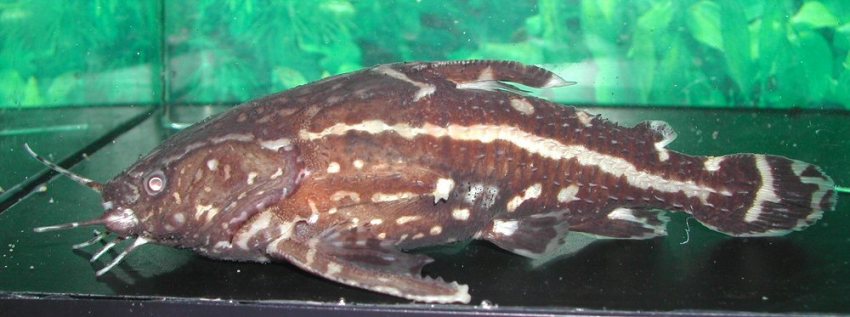
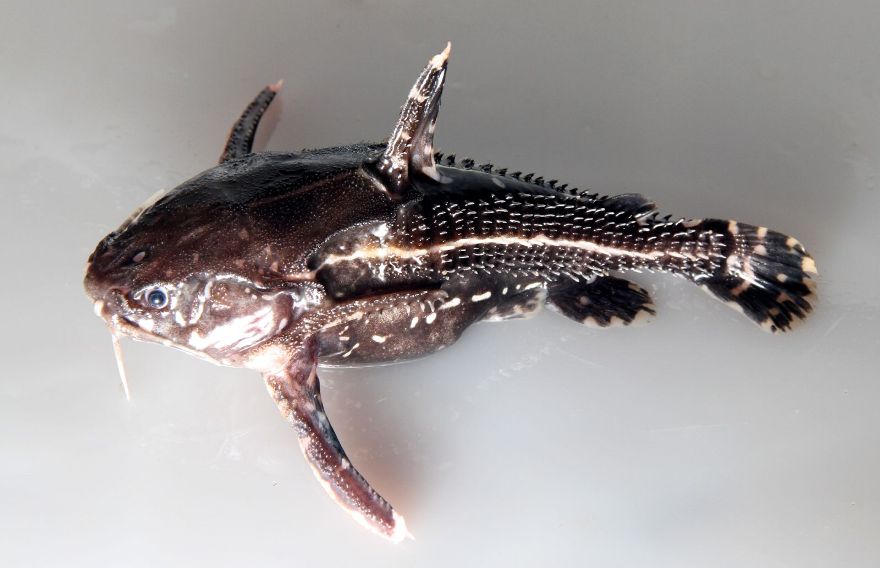
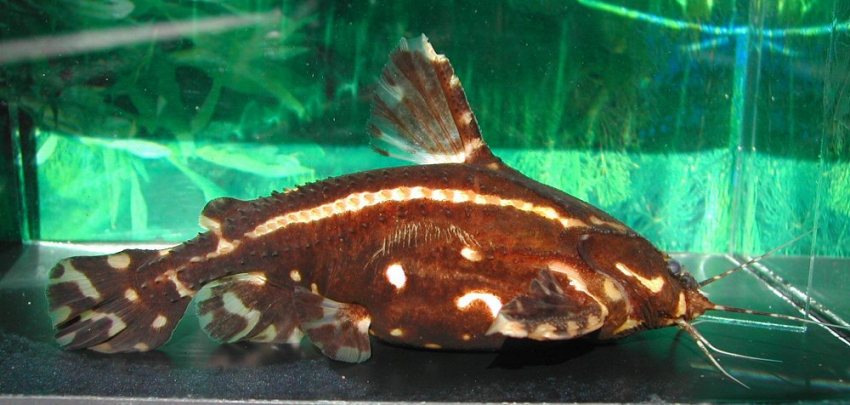
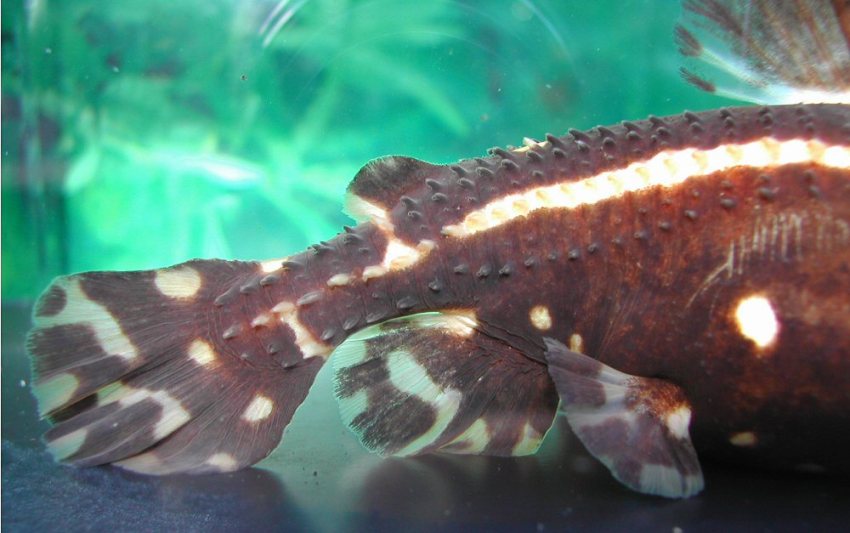
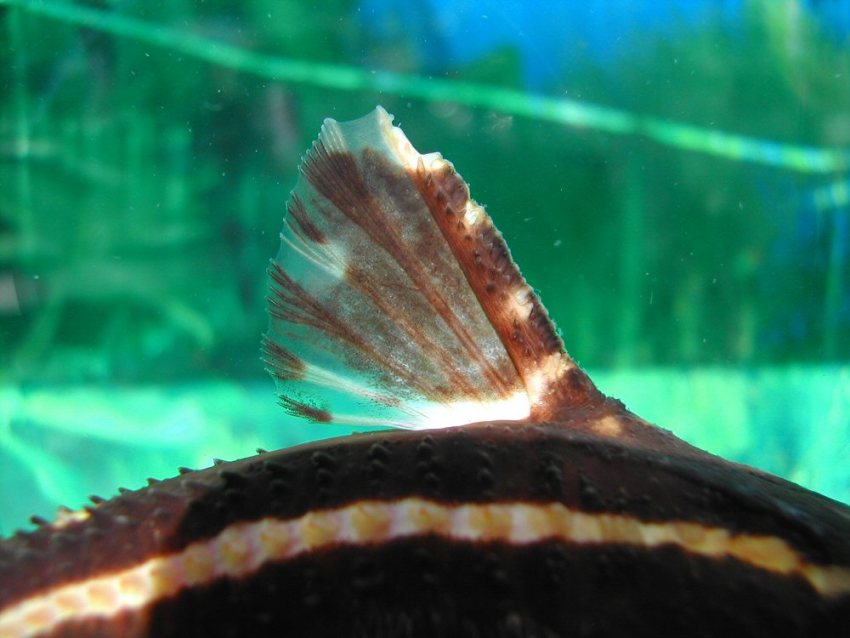
多刺棘鲶(Acanthodoras spinosissimus)是偏夜行的群居甲鲶,常混在其他甲鲶批次中进入贸易。它与棘鲶(Acanthodoras cataphractus)共用一些商品名,较有用的区别是背鳍和尾鳍之间的背部有浅色斑块,而棘鲶通常只有浅色线条或缺少明显标记。
分布与栖息地
记录来自巴西、秘鲁和哥伦比亚的亚马孙河盆地北部,以及圭亚那埃塞奎博河水系,最初描述地点为巴西索利蒙伊斯河附近的科阿里湖。
利用缓流与静水,包括支流、回水、淡水沼泽和沿海红树林水域。白天多藏于根系和水下植被之间,夜间外出觅食;会与其他甲鲶组成聚集群体。
饲养环境
提供柔软沙底、偏暗照明和足够多的遮蔽。水草、沉木及人工洞穴都可作为藏身处,明亮而空旷的缸不符合其隐蔽、夜间活动的习性。
食性与喂食
是杂食性机会摄食者,多数常见人工饲料和冷冻食物都能接受。可用优质下沉颗粒或片状底栖饲料为基础,搭配红虫、水蚯蚓、蚊幼虫及偶尔的蚯蚓,避免菜单长期单一。
习性与混养
通常不主动攻击其他鱼,但成鱼可能吞食特别小的鱼。温和且体形合适的脂鲤、慈鲷及其他鲶鱼可作为候选。至少四尾同种共同饲养较合适,也可见它与外形相近的甲鲶聚集。
雌雄区分
成熟雌鱼通常更加丰满。
补充说明
本种繁殖细节尚不明确,近缘棘鲶的配对、挖坑及护幼报道不能当作本种已经确认的流程。
甲鲶的发声可涉及胸鳍棘摩擦和与鳔相关的结构。捕捞时要注意胸鳍棘及骨板挂住网眼,并避免直接受刺。辨认时应看背部花纹,不能只依共用的“巧克力甲鲶”商品名。
图片
图片来自 SeriouslyFish,版权归各摄影者所有。
English
Overview
Largely nocturnal and social, Acanthodoras spinosissimus often reaches trade in mixed thorny-catfish shipments. Names overlap with Acanthodoras cataphractus. Pale blotches between the dorsal and caudal fins are a useful distinction, compared with pale lines or little marking in that relative.
Distribution & habitat
Records cover the northern Amazon basin in Brazil, Peru, and Colombia and Guyana's Essequibo system. The original description concerned Lake Coari near the Solimões in Brazil.
Slow and standing waters include tributaries, backwaters, freshwater swamps, and coastal mangrove areas. Fish remain among roots or submerged vegetation by day, forage at night, and may aggregate with other thorny catfishes.
Aquarium setup
Provide soft sand, subdued light, and ample cover. Plants, wood, and artificial caves supply retreats. A bright, exposed layout conflicts with its sheltered daytime and nocturnal activity pattern.
Diet & feeding
A generalist omnivore, it accepts many familiar prepared and frozen foods. Use quality sinking pellets or tablets with regular bloodworms, tubificid worms, mosquito larvae, and occasional earthworms. Keep the menu varied.
Behaviour & compatibility
Normally nonaggressive, it can nevertheless consume especially small fish as an adult. Suitably sized peaceful tetras, cichlids, and other catfishes are possible companions. Keep at least four conspecifics; associations with similarly shaped relatives also occur.
Sexual dimorphism
Mature females generally show a fuller body than males.
Notes
Reproductive details remain unclear for this species. Reports of pairing, nest excavation, and brood care in A. cataphractus should not be transferred as confirmed behavior here.
Sound production in thorny catfishes can involve pectoral-spine movement and swim-bladder structures. Spines and body plates readily catch in net mesh and can puncture skin during handling. Identification should use the dorsal pattern rather than a shared chocolate-catfish sales label.
来源
- https://www.seriouslyfish.com/species/acanthodoras-spinosissimus(抓取于 2026-10-10)
acanthodoras-spinosissimus · 文件: data/species/acanthodoras-spinosissimus.md · 状态: 草稿