棘鲶 · Chocolate Talking Catfish
概要
| 字段 | 值 |
|---|---|
| 类别 | 鱼 |
| 学名 | Acanthodoras cataphractus |
| 别名 | 刺陶乐鲶、棘鯰、刺陶樂鯰、Schokoladendornwels、Silurus cataphractus、Cataphractus americanus、Doras blochii、Callichthys asper |
| 分类 | 鲶形目 Siluriformes › 棘甲鲶科 Doradidae › Acanthodoras |
| 水体 | 淡水 |
| 原产地 | 玻利维亚、巴西、哥伦比亚、法属圭亚那、圭亚那、秘鲁、苏里南 |
| 成体体长 | 11.5 cm |
| 饲养难度 | 中等 |
| 最小水体 | 108 L |
| 最小缸长 | 120 cm |
| 群居方式 | 群游 |
| 外部数据 | seriouslyfish acanthodoras-cataphractus;fishbase 47599 |
| 食性 | 杂食 |
| 特征 | 夜行性: 是 |
水质参数
| 参数 | 耐受范围 | 最适范围 | 单位 |
|---|---|---|---|
| 水温 | 22–26 | — | °C |
| pH | 6–7.5 | — | — |
| 总硬度 | 4–25 | — | dGH |
概述
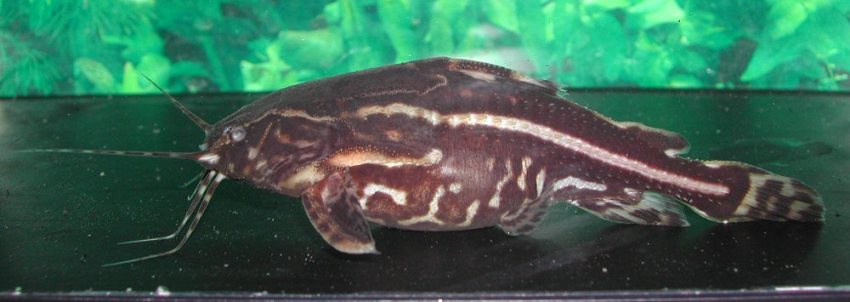
棘鲶(Acanthodoras cataphractus)是偏夜行、喜群居的南美甲鲶,白天常躲在根系或植被间。它与多刺棘鲶(Acanthodoras spinosissimus)会共用商品名,不能只凭“巧克力”一类标签判断身份;本种背鳍至尾鳍间通常是浅色线条或没有明显花纹,而近缘种多有浅色斑块。
分布与栖息地
分布于亚马孙河盆地北部的玻利维亚、巴西、秘鲁、哥伦比亚,以及圭亚那、苏里南和法属圭亚那的大西洋水系。
主要利用缓流或静水,包括支流、回水区、淡水沼泽及沿海红树林环境。白天藏在根系和水下植被中,夜间外出觅食,野外还会与其他甲鲶聚集。
饲养环境
用柔软细沙铺底,照明偏暗,水草、缠绕沉木和人工洞穴形成多个藏身处。强光不利于观察其自然活动,藏得多并不等于没有夜间活动需求。
食性与喂食
本种是食物范围较广的杂食鱼,多数常见人工或冷冻食物都能接受。以优质下沉颗粒或片状底栖饲料搭配活饵、冷冻红虫、水蚯蚓及蚊幼虫等,偶尔提供整条或切碎蚯蚓,使食谱多样。
习性与混养
通常不主动攻击其他鱼,但成鱼可能吃掉非常小的缸友。可以评估与体形合适、温和的脂鲤、慈鲷及其他鲶鱼混养。它本身喜群居,至少四尾较合适,也会与外形接近的甲鲶聚集。
雌雄区分
成熟雌鱼通常比雄鱼明显丰满。
繁殖
资料较少,有报道认为雌雄配对后共同挖浅坑产卵并防卫后代,孵化据称约四至五天。但这些行为和亲代护理细节尚不充分,不能据此视为稳定可重复的缸内繁殖方法。
补充说明
甲鲶可借胸鳍棘摩擦及与鳔有关的结构发声,因此有“会说话的鲶鱼”一类俗称。捕捞时胸鳍棘和体侧骨板容易挂网,也可能刺破皮肤,转移时应特别留意。
图片
图片来自 SeriouslyFish,版权归各摄影者所有。
English
Overview
A largely nocturnal, social South American catfish, Acanthodoras cataphractus spends much of the day beneath roots or vegetation. Trade names overlap with Acanthodoras spinosissimus. The area between dorsal and caudal fins bears pale lines or little pattern in this species, compared with pale blotches in the similar relative.
Distribution & habitat
The range covers northern Amazonian waters in Bolivia, Brazil, Peru, and Colombia, plus Atlantic drainages of Guyana, Suriname, and French Guiana.
Slow or standing environments include tributaries, backwaters, freshwater swamps, and coastal mangrove areas. Fish shelter among roots and submerged plants during daylight and forage at night, sometimes aggregating with other thorny catfishes.
Aquarium setup
Use soft sand, subdued lighting, and numerous retreats made with plants, tangled wood, or artificial caves. Bright conditions discourage the natural activity of this largely nocturnal fish.
Diet & feeding
This generalist omnivore accepts many prepared and frozen foods. Combine quality sinking pellets or tablets with live or frozen bloodworms, tubificid worms, mosquito larvae, and similar items. Occasional whole or chopped earthworms add variety.
Behaviour & compatibility
It is normally nonaggressive, although adults may eat very small companions. Appropriately sized peaceful tetras, cichlids, and other catfishes are potential choices. Keep at least four conspecifics; it also associates with similarly shaped relatives.
Sexual dimorphism
Mature females are generally noticeably fuller-bodied than males.
Breeding
Information is limited. Reports suggest pair formation, joint excavation of a shallow spawning depression, and subsequent brood defense. Hatching is said to take roughly four or five days. The limited observations and unclear parental-care details do not establish a dependable aquarium procedure.
Notes
Thorny catfishes can produce sounds through pectoral-spine movement and structures associated with the swim bladder. The same robust spines and lateral plates readily snag standard nets and can puncture skin, requiring care during transfers.
来源
- https://www.seriouslyfish.com/species/acanthodoras-cataphractus(抓取于 2026-10-10)
acanthodoras-cataphractus · 文件: data/species/acanthodoras-cataphractus.md · 状态: 草稿