Acanthocobitis pavonacea · Peacock Loach
概要
| 字段 | 值 |
|---|---|
| 类别 | 鱼 |
| 学名 | Acanthocobitis pavonacea |
| 别名 | Cobitis pavonacea |
| 分类 | 鲤形目 Cypriniformes › 条鳅科 Nemacheilidae › Acanthocobitis |
| 水体 | 淡水 |
| 原产地 | 印度北部布拉马普特拉河及恒河水系,另有孟加拉国范围记载 |
| 成体体长 | 15.6 cm |
| 饲养难度 | 中等 |
| 最小水体 | 108 L |
| 最小缸长 | 120 cm |
| 群居方式 | 群游 |
| 水流偏好 | 高 |
| 外部数据 | seriouslyfish acanthocobitis-pavonacea;fishbase 24585 |
水质参数
| 参数 | 耐受范围 | 最适范围 | 单位 |
|---|---|---|---|
| 水温 | 20–24 | — | °C |
| pH | 6.5–7.5 | — | — |
| 总硬度 | 2–12 | — | dGH |
概述
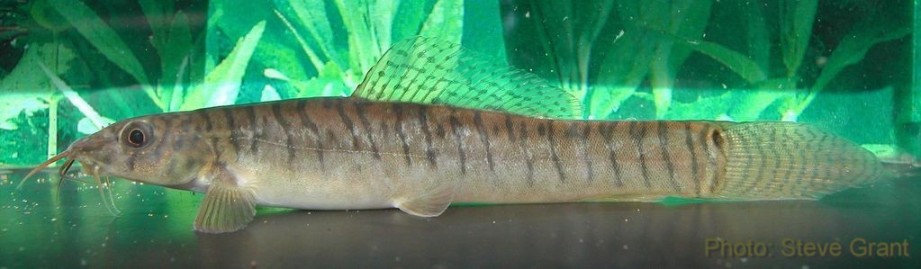
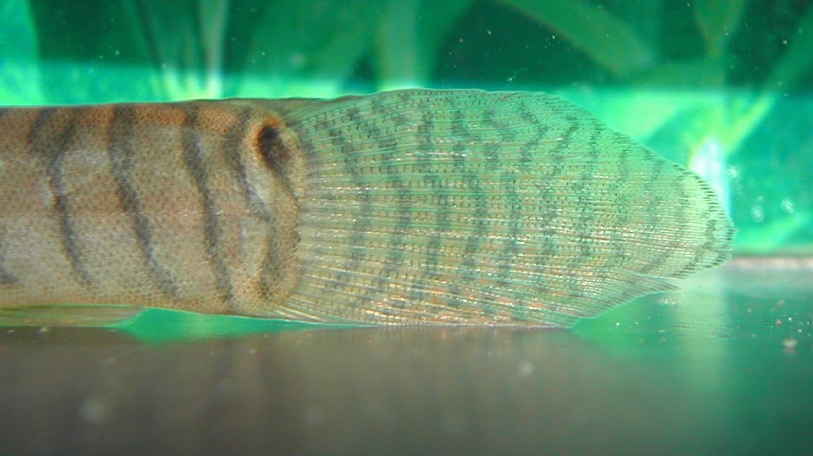
Acanthocobitis pavonacea 是体型较大的条鳅,尾柄上方两侧的暗斑是醒目标记。缸养观察称它较大胆但不特别好斗,不过成体尺寸决定了不适合搭配非常小的鱼,群养是否稳定也不能简单假定。
分布与栖息地
主要记录涉及印度东北阿萨姆邦的布拉马普特拉河水系;另有将范围列至印度北部恒河水系和孟加拉国的记载。西孟加拉等范围与近似名称的历史混淆有关,产地资料仍应谨慎核对。
饲养环境
大缸中提供充足藏处,砂底、圆滑大石、沉木根枝和适量干叶可构成河道边缘布局。附生水草可固定在装饰上,较亮区域也能生长附着生物膜,同时保留阴影退避处。
高流速并非养护描述中的绝对前提,成熟的石景溪流缸也可使用;重点是维护到位并让鱼有可避让的结构,而不是把整个缸都做成无遮蔽急流。
食性与喂食
天然似乎并非以植物为主,可能摄食昆虫幼体等小动物。缸中可接受沉底干粮,仍应搭配小水蚤、丰年虾和红虫等活饵或冷冻饵,保持多样。
习性与混养
可考虑体型相称、适应相近环境的鲤科鱼和温和鳅类,避免很小的伙伴。少量观察称它大胆但不凶,至于大缸多尾同养,目前只能视为有可能,不能保证群体长期相安。
雌雄区分
成年雄鱼眼下皮瓣较大,体形预计比雌鱼更修长。
繁殖
尚无本种缸中繁殖确认。近亲偶尔在成熟大缸中自然出现少量幼鱼,不能作为本种已经可稳定繁殖的证据。
补充说明
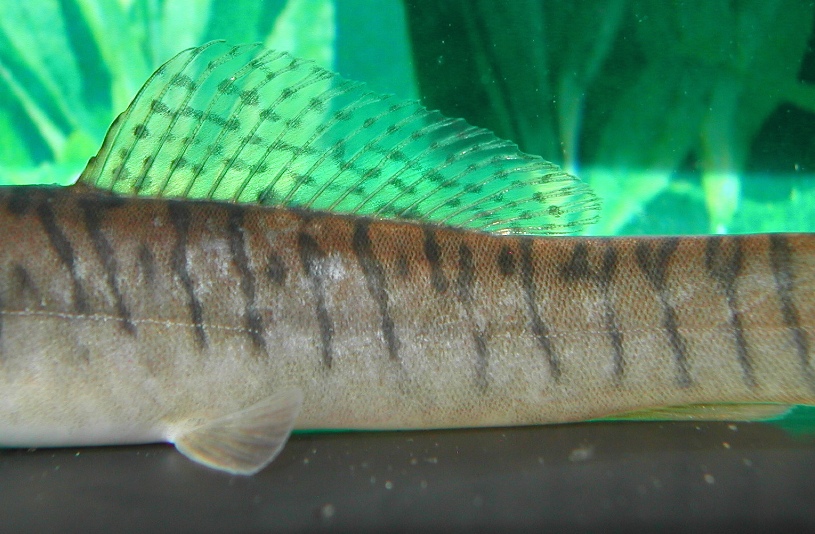
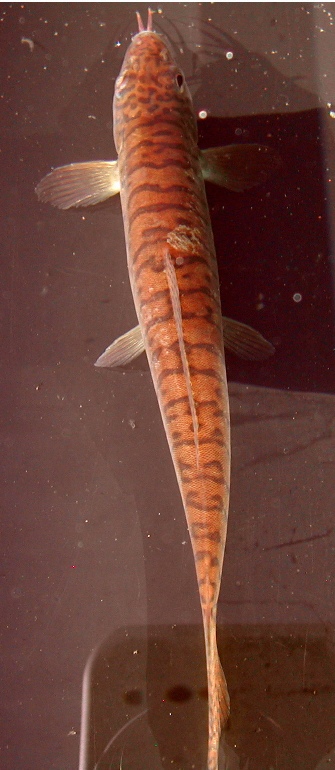
较长背鳍、渐尖尾鳍和细长体形可帮助与若干近似鳅类区分。贸易中不同旧名与商品名并用,可靠产地比只看标签更有用。
图片
图片来自 SeriouslyFish,版权归各摄影者所有。
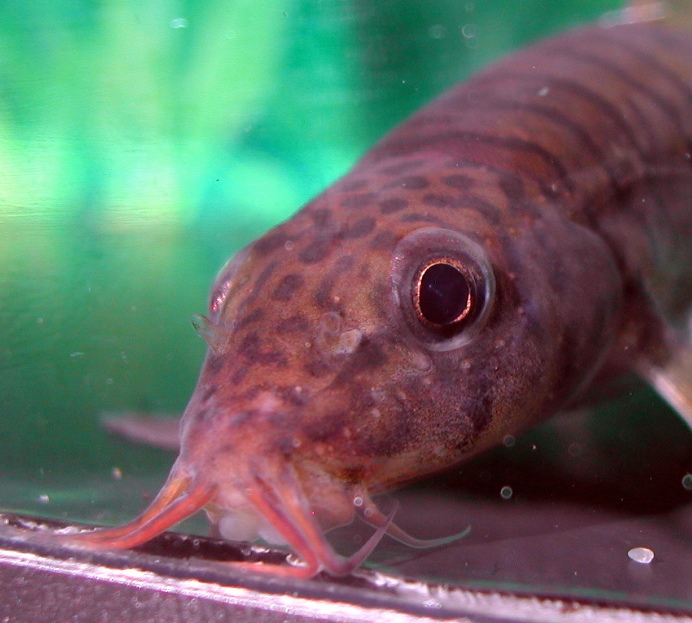
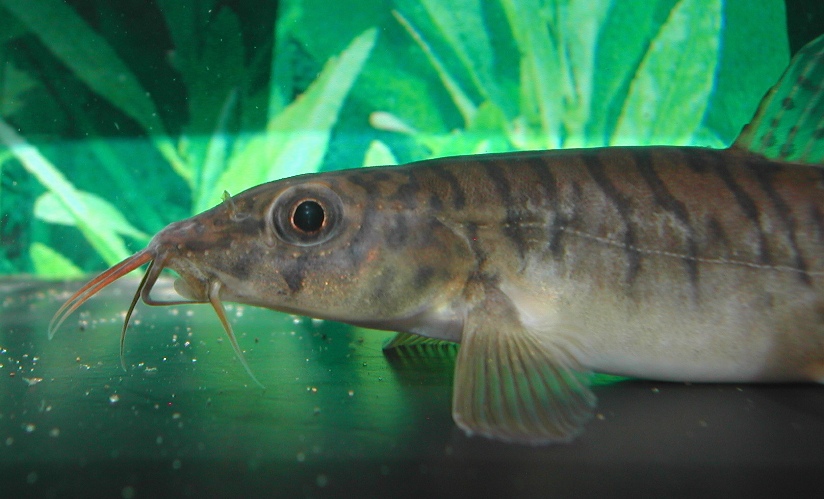
English
Overview
A comparatively large nemacheilid, Acanthocobitis pavonacea has conspicuous dark markings near the upper tail base. Captive reports describe a bold fish without pronounced aggression, but its adult size excludes very small companions and stable group maintenance is not firmly established.
Distribution & habitat
Records center on the Brahmaputra drainage in Assam, northeastern India, with published accounts extending the range to the Ganges system and Bangladesh. Historical name confusion affects interpretation of some outlying records, so provenance deserves attention.
Aquarium setup
Provide plentiful retreats in a large, well-maintained aquarium. Sand, rounded rocks, roots, branches, and some leaves form a river-margin layout. Attached plants can grow on décor, and brighter areas support surface biofilm while shade remains available.
Very strong current is not described as essential, although a mature rocky stream aquarium can work. Adequate structure and maintenance matter more than exposing the entire aquarium to uniform rapid flow.
Diet & feeding
It does not appear primarily herbivorous and probably takes insect larvae and similar small animals in nature. Offer sinking prepared food alongside small live or frozen water fleas, Artemia, and bloodworms.
Behaviour & compatibility
Similarly sized cyprinids and suitable peaceful loaches are possible companions; omit very small fishes. Limited observations suggest confidence without strong aggression. Keeping several in a large aquarium may be possible, but dependable group compatibility remains unconfirmed.
Sexual dimorphism
Adult males have an enlarged flap below the eye and are expected to be slimmer than females.
Breeding
Captive reproduction has not been confirmed. Occasional fry appearing spontaneously in mature aquaria of related fishes do not establish a reliable breeding method for this species.
Notes
A long dorsal fin, tapering tail, and slender body help separate it from some similar loaches. Mixed historical and trade names make reliable locality information more useful than a label alone.
来源
- https://www.seriouslyfish.com/species/acanthocobitis-pavonacea(抓取于 2026-10-10)
acanthocobitis-pavonacea · 文件: data/species/acanthocobitis-pavonacea.md · 状态: 草稿