棘甲鲶 · L155
概要
| 字段 | 值 |
|---|---|
| 类别 | 鱼 |
| 学名 | Acanthicus hystrix |
| 别名 | 棘甲鯰、Lyre Tail Pleco、Schwarze Elfenwels |
| 分类 | 鲶形目 Siluriformes › 骨甲鲶科 Loricariidae › Acanthicus |
| 水体 | 淡水 |
| 原产地 | 巴西、秘鲁、委内瑞拉 |
| 成体体长 | 100 cm |
| 饲养难度 | 中等 |
| 最小水体 | 24000 L |
| 最小缸长 | 600 cm |
| 群居方式 | 独居 |
| 领地性 | 是 |
| 外部数据 | seriouslyfish acanthicus-hystrix;fishbase 13268 |
| 食性 | 碎屑食性 |
水质参数
| 参数 | 耐受范围 | 最适范围 | 单位 |
|---|---|---|---|
| 水温 | 23–30 | — | °C |
| pH | 6–7.5 | — | — |
| 总硬度 | 2–12 | — | dGH |
概述
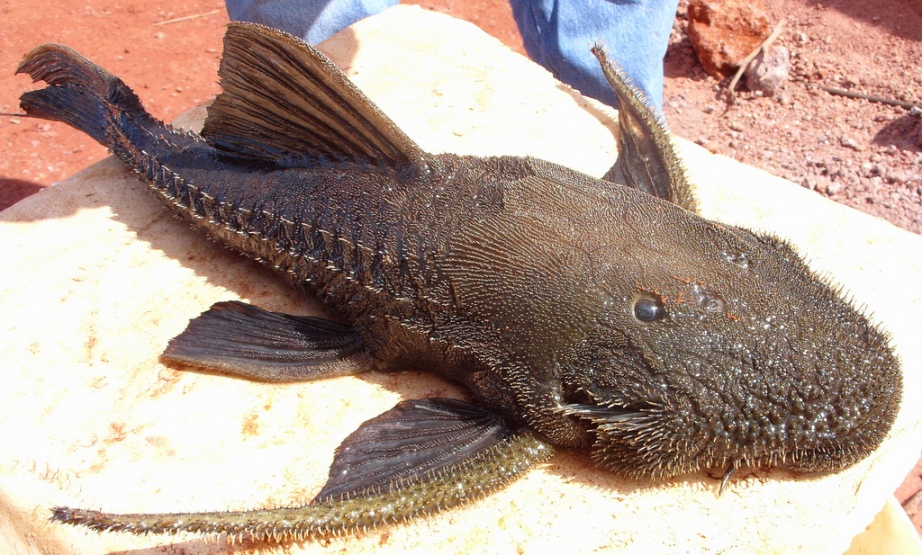
棘甲鲶(Acanthicus hystrix,L155)成年可达约一米,随成长越来越强势。幼鱼较容易容纳并不意味着可以终生养在普通缸内,长期饲养需按极大型底层鱼规划。
分布与栖息地
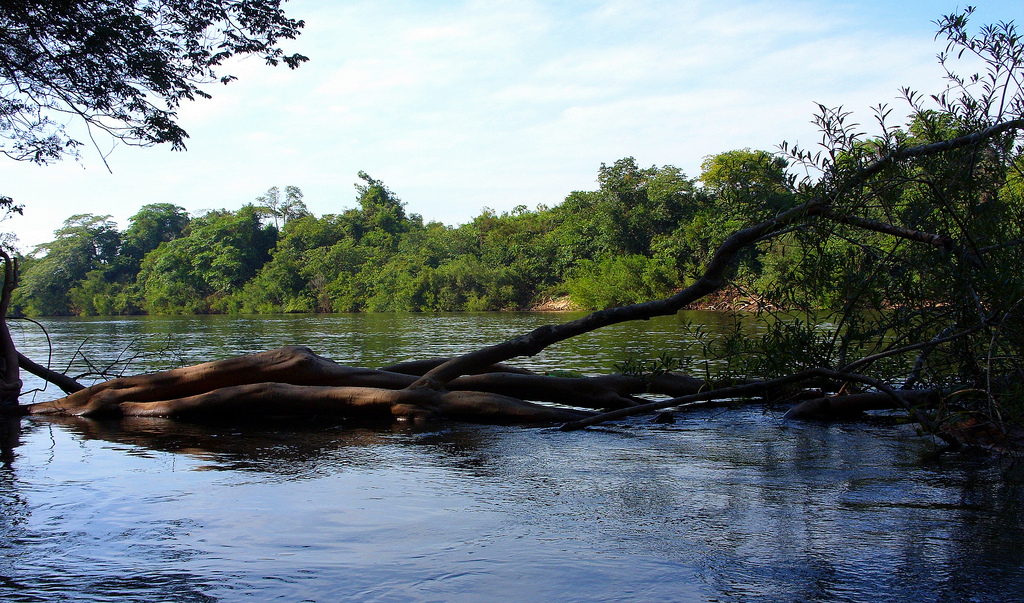
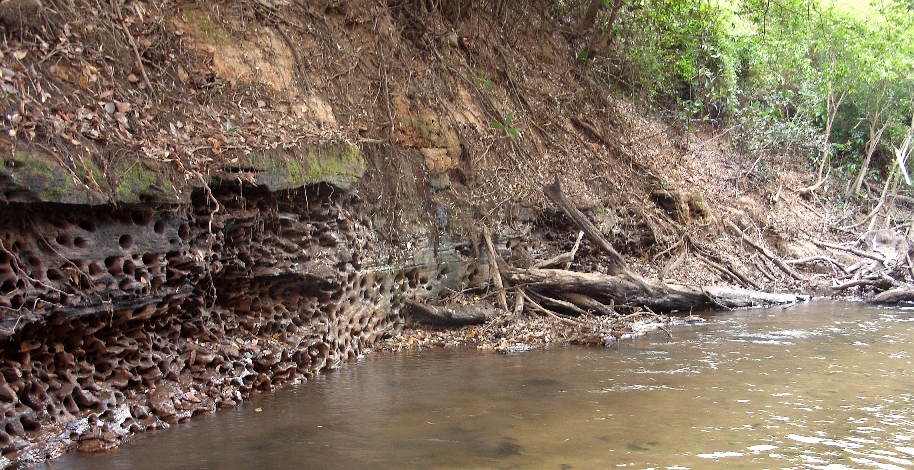
记录遍及巴西和秘鲁亚马逊地区,另有少数来自委内瑞拉奥里诺科水系。主要生活于河流和支流缓流区域,似常在居民区附近出现。
饲养环境
成年底面积需超过约 600 × 200 厘米。沉木、大岩块或粗管在弱光下提供遮蔽,植物可能被成鱼取食或拔起。必须配置巨大过滤量并严格换水,持续保持高含氧水,因为本种不能利用空气呼吸补偿缺氧。
食性与喂食
广谱碎屑食者,需要直接投喂多样下沉食物。片粮、薄饼和蔬果搭配蠕虫、虾、贝肉等,食量不足会抑制成长。购入时不要忽视凹腹和凹眼等营养不良表现。
习性与混养
成年宜单养,不与其他底层鱼争地盘,除非缸体达到公共水族馆规模。合适伙伴限于足够大而强健的中上层鱼,不能以幼年温和表现推断成年相容性。
雌雄区分
雄鱼齿状棘可能更发达,成熟后领地表现也可能更明显;雄鱼相对钝的生殖突是较可靠线索。
补充说明
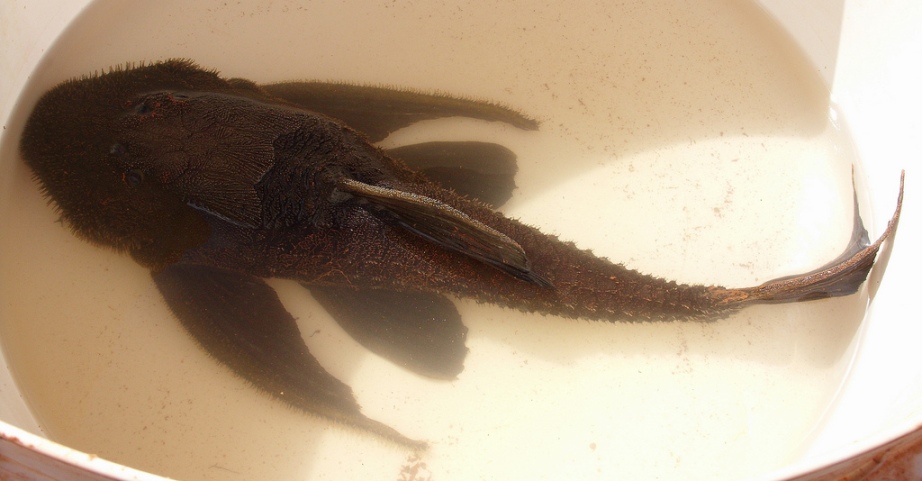
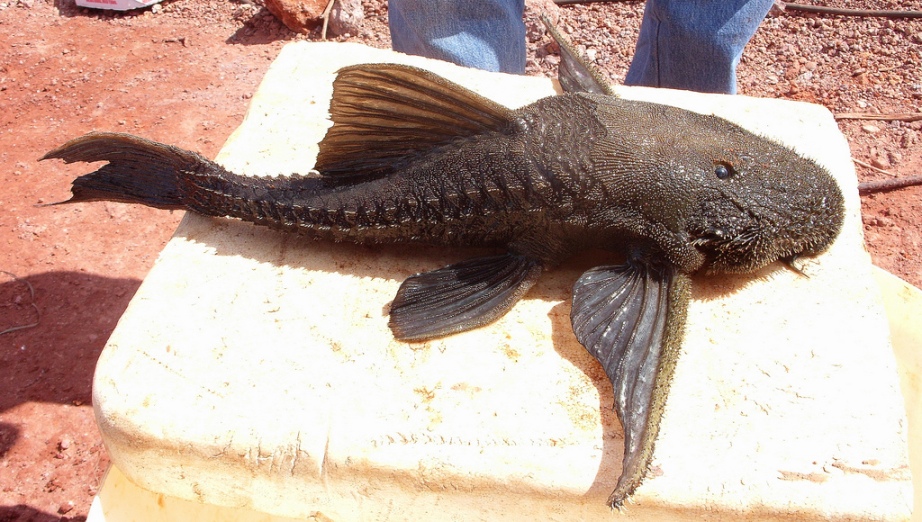
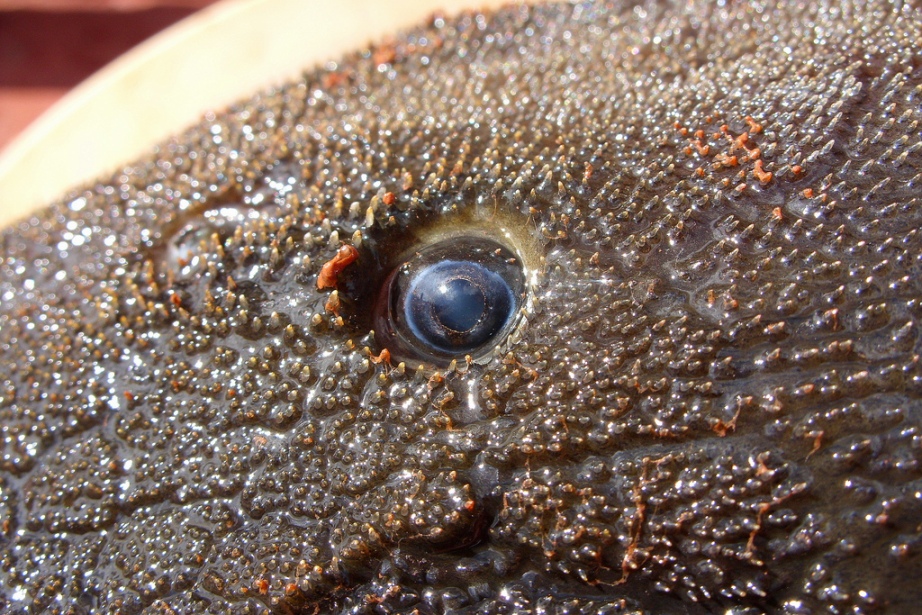
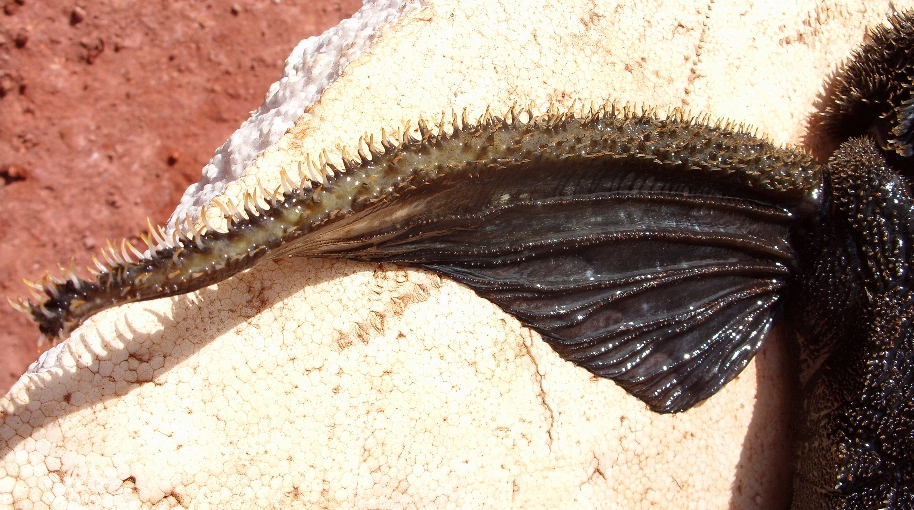
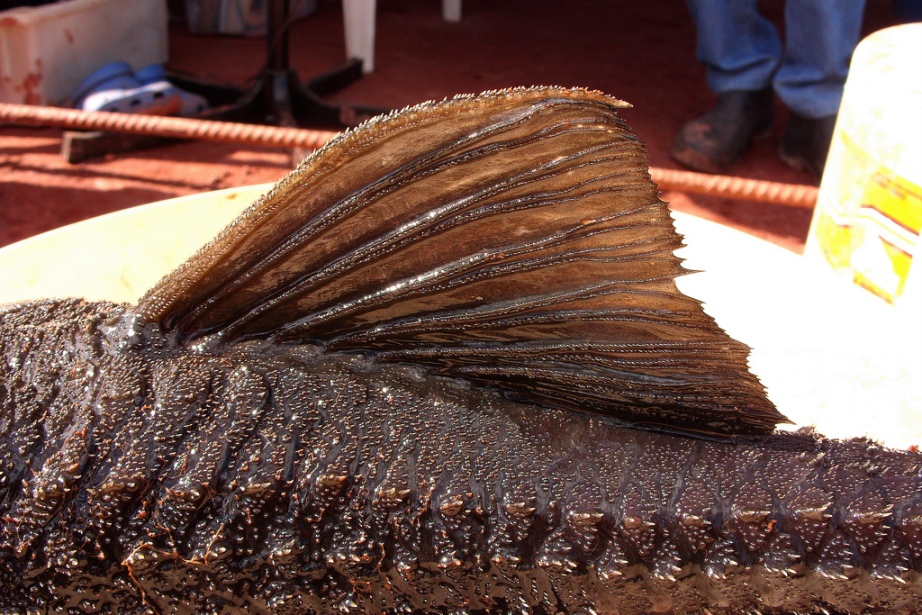
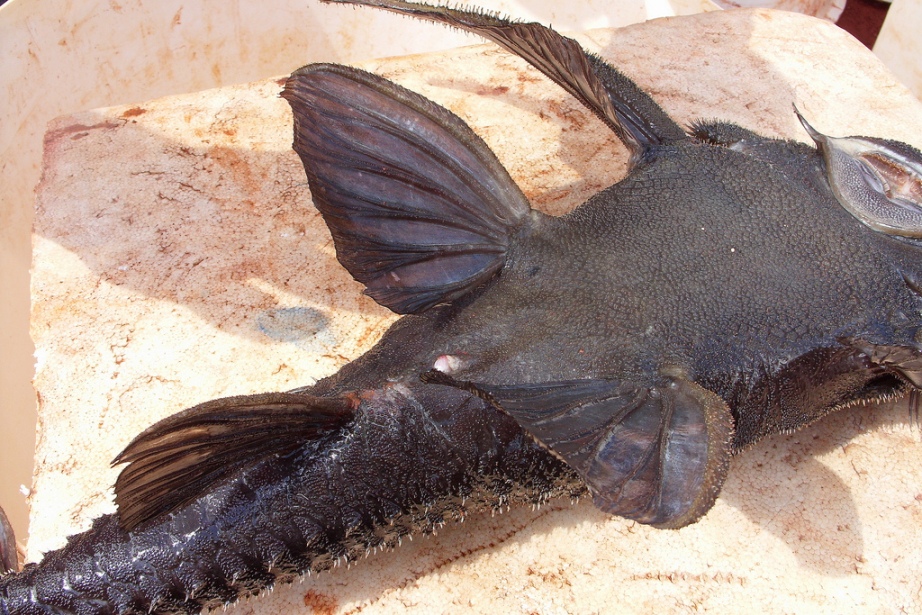
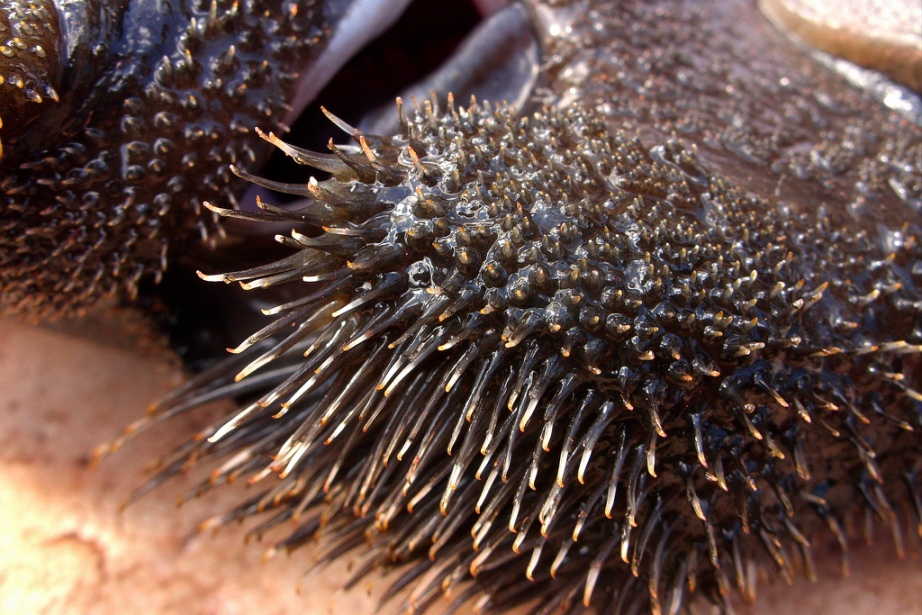
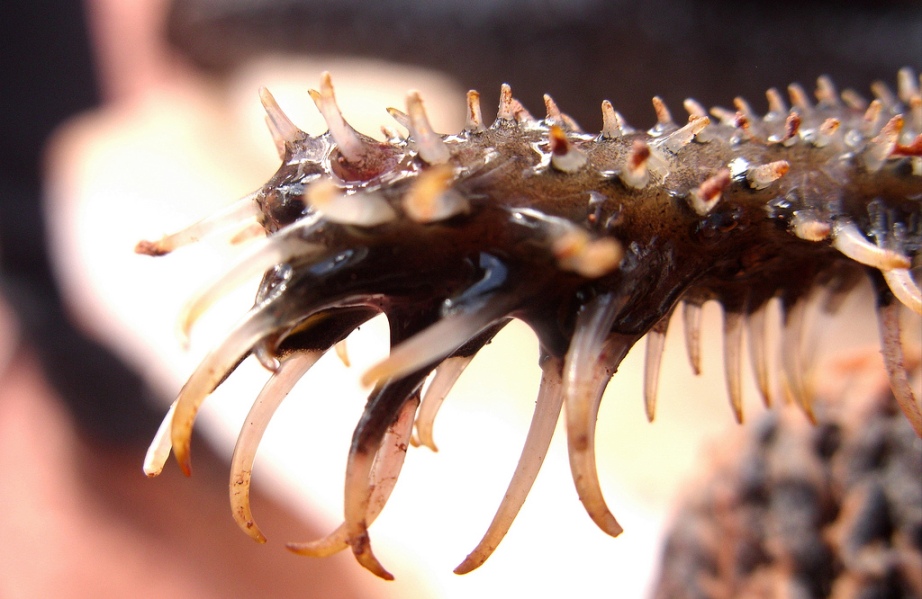
幼鱼没有大棘甲鲶常见的白黄斑,成年两者可能更难区别。全身棘突易缠网和伤手,应谨慎搬动;另有白化型。
图片
图片来自 SeriouslyFish,版权归各摄影者所有。
English
Overview
A potential one-meter adult, Acanthicus hystrix (L155) becomes more belligerent as it grows. Manageable juvenile dimensions should not obscure its permanent needs: this is an exceptionally large bottom-associated fish for exceptionally large facilities.
Distribution & habitat
Records span the Amazon region of Brazil and Peru, with a few from Venezuela’s Orinoco drainage. Slower river sections and tributaries are typical, and association with human settlements has been reported.
Aquarium setup
Provide an adult footprint exceeding about 600 by 200 cm. Use dim lighting and retreats formed by large wood, rocks, or pipes. Adult fish may damage vegetation. Maintain high oxygen levels with substantial filtration and disciplined water changes; atmospheric respiration is unavailable as a fallback.
Diet & feeding
Supply varied sinking foods rather than expecting scavenging to meet its needs. Tablets, wafers, fruit, and vegetables can be combined with worms, shrimp, and shellfish. Insufficient feeding can inhibit growth. Evaluate belly and eye condition when choosing a specimen.
Behaviour & compatibility
Adult territoriality calls for a single specimen without other bottom-dwellers except in public-aquarium-scale systems. Large, robust open-water companions are more suitable. Juvenile peacefulness is not a reliable guide to eventual behavior.
Sexual dimorphism
Males may show more extensive odontodes and stronger territorial behavior. A comparatively blunt genital papilla is considered the more dependable sexing character.
Notes
Juveniles lack the pale body spotting typical of A. adonis, while adult differences are less conspicuous. Numerous spines can snag nets or injure handlers. An albino form also exists.
来源
- https://www.seriouslyfish.com/species/acanthicus-hystrix(抓取于 2026-10-10)
acanthicus-hystrix · 文件: data/species/acanthicus-hystrix.md · 状态: 草稿