大棘甲鲶 · Polka Dot Lyre Tail Pleco
概要
| 字段 | 值 |
|---|---|
| 类别 | 鱼 |
| 学名 | Acanthicus adonis |
| 别名 | 大棘甲鯰、Elfenwels |
| 分类 | 鲶形目 Siluriformes › 骨甲鲶科 Loricariidae › Acanthicus |
| 水体 | 淡水 |
| 原产地 | 巴西、秘鲁 |
| 成体体长 | 100 cm |
| 饲养难度 | 中等 |
| 最小水体 | 24000 L |
| 最小缸长 | 600 cm |
| 群居方式 | 独居 |
| 领地性 | 是 |
| 外部数据 | seriouslyfish acanthicus-adonis;fishbase 50683 |
| 食性 | 碎屑食性 |
水质参数
| 参数 | 耐受范围 | 最适范围 | 单位 |
|---|---|---|---|
| 水温 | 23–30 | — | °C |
| pH | 6–7.5 | — | — |
| 总硬度 | 2–12 | — | dGH |
概述
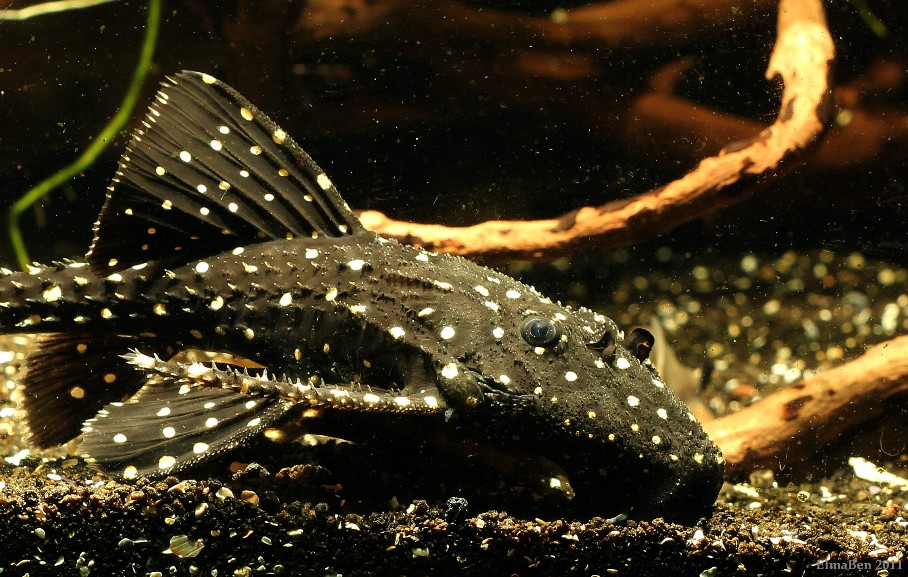
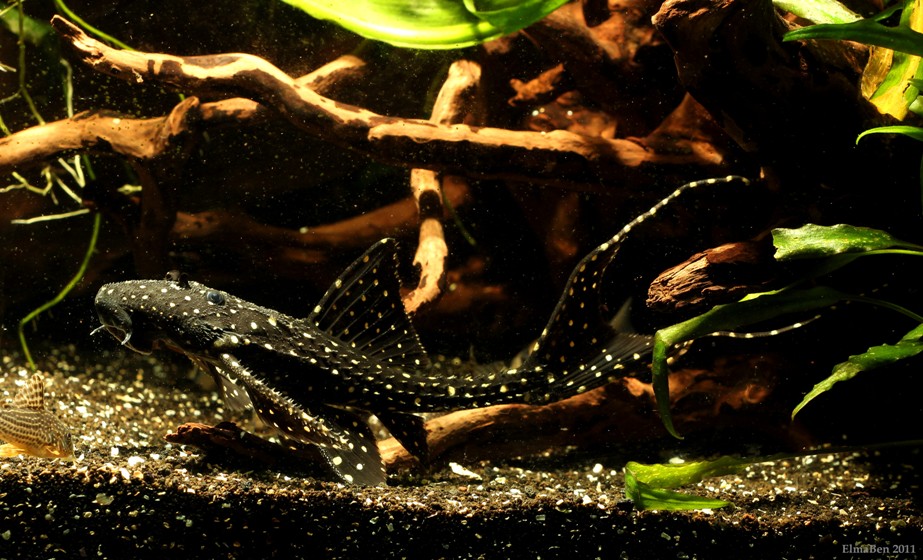
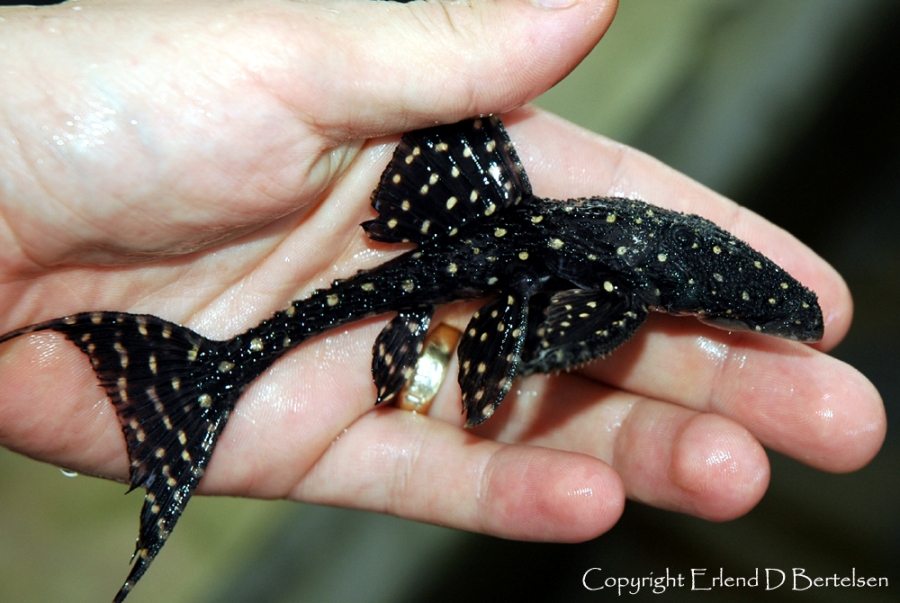
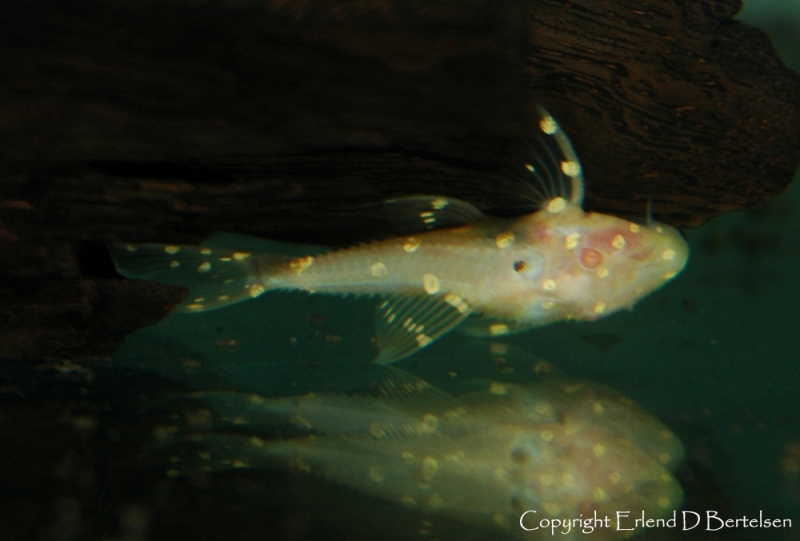
大棘甲鲶(Acanthicus adonis)幼鱼白点醒目,却不是适合普通家庭缸的小型异型。成年体形巨大,斑点会逐渐减少,领地意识和攻击性也随成熟加强,只适合有极大水族箱或热带池塘条件的饲养者。
分布与栖息地
明确描述地在巴西托坎廷斯河下游卡梅塔附近,并遍及该水系下段。更广的亚马逊分布及秘鲁出口相似鱼的归属仍不完全清楚。主要活动于河流和支流较缓区域,有时见于人类聚居区附近。
饲养环境
成年鱼需要超过约 600 × 200 厘米的底面积。弱光下布置大型沉木、岩石或粗管作为退避处,成鱼可能吃掉或拔起植物。巨大过滤容量、严格换水和高溶氧不可少;它不能像某些近缘异型那样利用空气呼吸。
食性与喂食
属于广谱碎屑食者,不能只靠缸壁藻或残饵。喂下沉片粮、薄饼、蔬果,并搭配红虫、蚯蚓、虾和贝肉等,确保餐量和频率足够。挑选时注意凹腹、眼窝凹陷等消瘦迹象。
习性与混养
幼鱼较温和不代表成年仍适合混养。成年宜单尾,除非空间达到公共水族馆规模,否则不宜加其他底层鱼;伙伴应是强健、足够大的中上层鱼。
雌雄区分
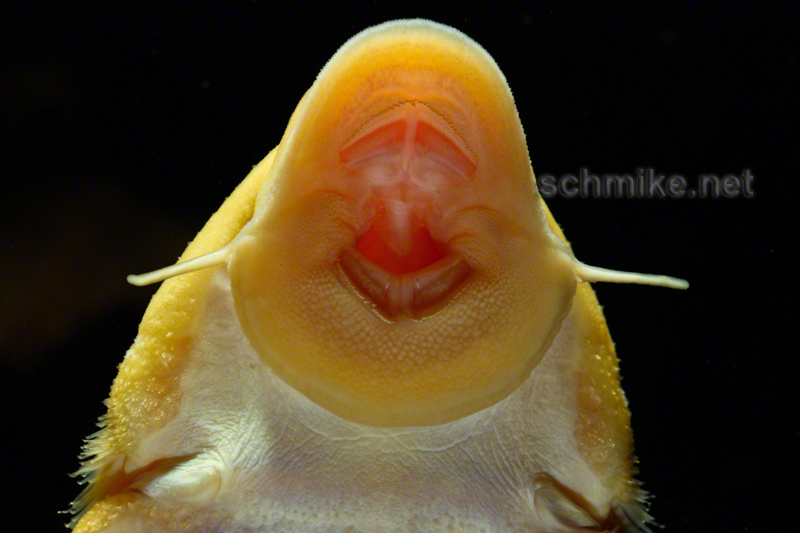
雄鱼可能在胸鳍、颊部及身体长出更发达的齿状棘。生殖突形状较可靠,雄鱼相对钝,但观察需谨慎处理大型多棘鱼。
繁殖
已有人工繁殖记录,但洞穴产卵、雄鱼护卵的方式仍带推测性质,不宜直接照搬详细流程。
补充说明
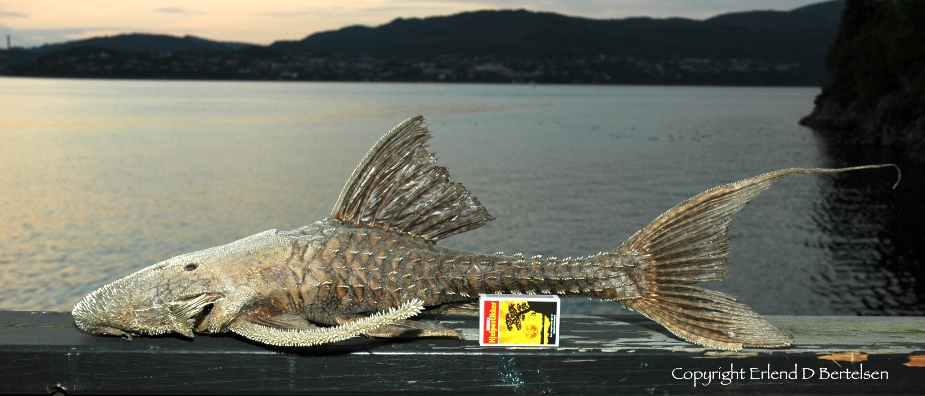
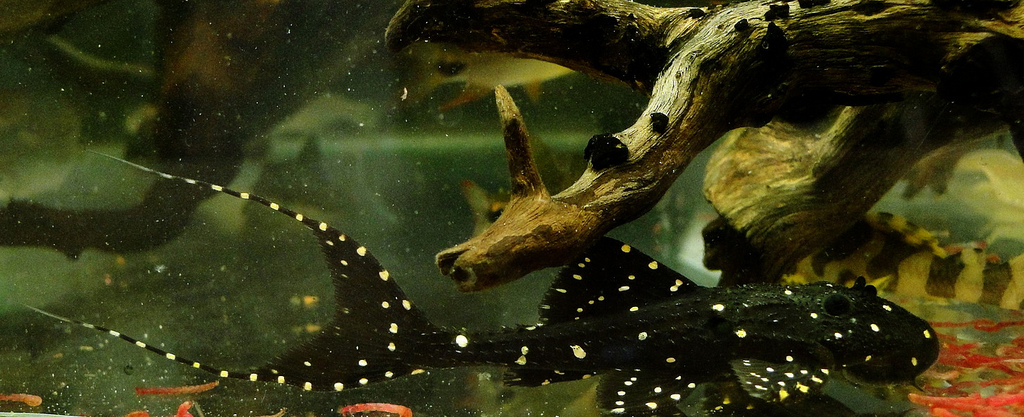
身体和颊部棘突容易挂网或造成刺伤,搬动务必小心。幼时白黄点有助与棘甲鲶区别,成年后差异减弱,残留斑点可更多见于鳍和鳍丝。
图片
图片来自 SeriouslyFish,版权归各摄影者所有。
English
Overview
Spotted juveniles of Acanthicus adonis conceal a demanding adult prospect: enormous size, fading spots, and increasing aggression. A normal home aquarium is unsuitable. Long-term accommodation belongs on the scale of exceptionally large private systems or suitable tropical ponds.
Distribution & habitat
The definite range includes the lower Tocantins in Brazil, around and beyond the type locality near Cametá. A wider Amazon distribution is suspected, with similar exported fishes reported from Peru, but those details are unresolved. It occupies slower river and tributary reaches and is sometimes associated with settlements.
Aquarium setup
An adult requires a footprint exceeding roughly 600 by 200 cm. Large wood, rocks, or pipes provide retreats under subdued light. Adults may eat or uproot plants. Filtration capacity and water changes must match the waste load, with high dissolved oxygen maintained because this species cannot compensate by breathing atmospheric air.
Diet & feeding
As a generalized detritivore, it needs deliberate, varied feeding: sinking prepared foods, fruit and vegetables, and animal supplements such as worms, shrimp, or shellfish. Inadequate portions or frequency can restrict growth. A sunken belly or eyes are warning signs of poor nutritional condition.
Behaviour & compatibility
Juvenile tolerance does not predict adult compatibility. Keep adults singly and avoid other substrate-dwellers unless the system is of public-aquarium scale. Robust, appropriately large open-water fishes are the more suitable companions.
Sexual dimorphism
Males may develop stronger odontodes on the chest fins, cheeks, and body. Genital-papilla shape is considered more reliable, being comparatively blunt in males.
Breeding
Captive reproduction has occurred, while the suggested cave-spawning pattern with male egg care remains tentative rather than a fully documented husbandry protocol.
Notes
Extensive spines can entangle netting or cause injury. Pale juvenile spots help distinguish it from A. hystrix, but adults become more similar, sometimes retaining spots mainly on fins or filaments.
来源
- https://www.seriouslyfish.com/species/acanthicus-adonis(抓取于 2026-10-10)
acanthicus-adonis · 文件: data/species/acanthicus-adonis.md · 状态: 草稿