扁脂鲤 · Marbled Headstander
概要
| 字段 | 值 |
|---|---|
| 类别 | 鱼 |
| 学名 | Abramites hypselonotus |
| 别名 | 小头扁脂鲤、扁脂鯉、小頭扁脂鯉、Brachsensalmler、Leporinus hypselonotus、Leporinus solarii、Abramites microcephalus、Abramites ternetzi、Leporinus nigripinnis |
| 分类 | 脂鲤目 Characiformes › 小口脂鲤科 Anostomidae › Abramites |
| 水体 | 淡水 |
| 原产地 | 阿根廷、玻利维亚、巴西、哥伦比亚、厄瓜多尔、圭亚那、巴拉圭、秘鲁、委内瑞拉 |
| 成体体长 | 14 cm |
| 饲养难度 | 入门 |
| 最小水体 | 108 L |
| 最小缸长 | 120 cm |
| 群居方式 | 独居 |
| 外部数据 | seriouslyfish abramites-hypselonotus;fishbase 10768 |
水质参数
| 参数 | 耐受范围 | 最适范围 | 单位 |
|---|---|---|---|
| 水温 | 20–30 | — | °C |
| pH | 5.5–7.5 | — | — |
| 总硬度 | 1–15 | — | dGH |
概述
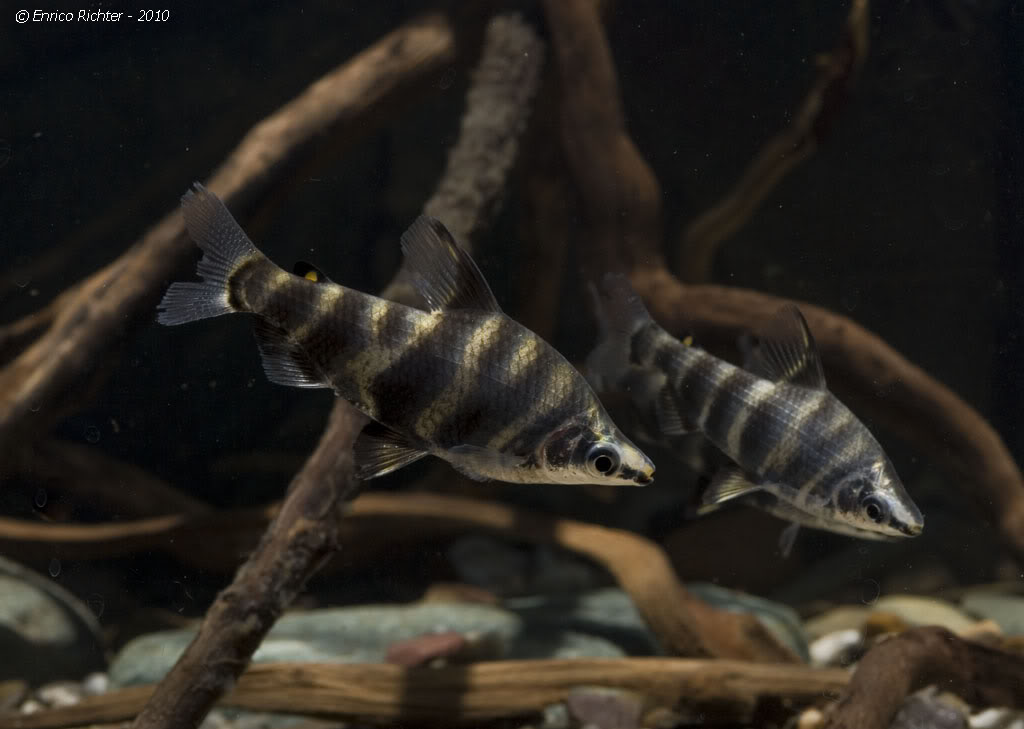
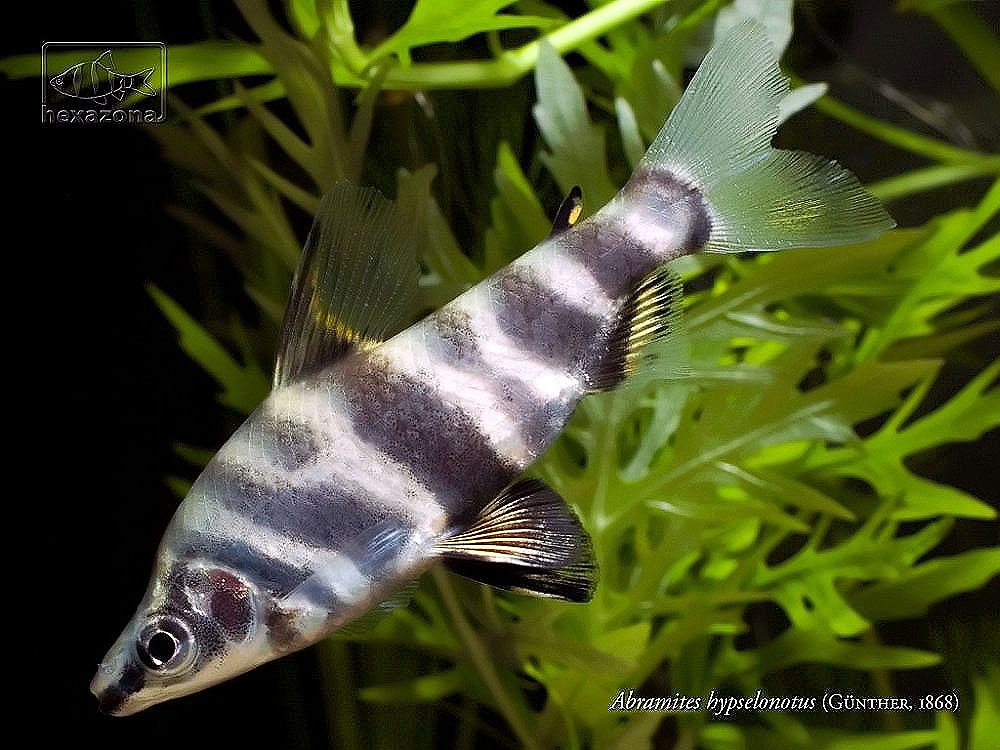
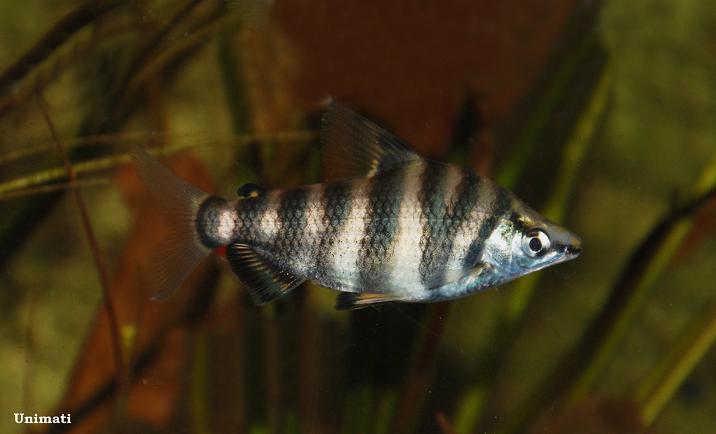
扁脂鲤(Abramites hypselonotus)身体较高,背部轮廓陡峭,体侧有横向暗带。它需要较大的活动空间,混养时应留意咬长鳍和取食软叶植物的可能。
分布与栖息地
广布于南美洲亚马孙河、奥里诺科河及巴拉圭—巴拉那河水系,涉及玻利维亚、巴西、哥伦比亚、厄瓜多尔、圭亚那、秘鲁、委内瑞拉、巴拉圭和阿根廷。
从浑浊、有水流的主河道到小支流、回水区均可生活,洪水季也进入临时淹没地带,利用的栖地类型较多。
饲养环境
即使单条饲养,底面积也至少约 120 × 30 cm。装饰样式不苛刻,但应满足正常维护及活动空间需求;柔软叶片的水草可能被吃掉,不宜把精细软叶草景作为可靠选择。
食性与喂食
本科鱼类通常机会性杂食,野外摄食底部的海绵、昆虫幼体、碎屑、种子、叶片和丝藻等;这是科级食性背景,不能当作本种每项都已逐一验证的菜单。
缸内通常接受优质干粮、红虫、水蚤和丰年虾等活饵或冷冻饵。食谱宜多样,加入藻类、果蔬或含较多螺旋藻的干粮。
习性与混养
宽敞缸中可维持同种群体,搭配强健、体型合适的慈鲷、脂鲤和鲶鱼。它可能啃咬长鳍或拖曳状鳍,选同伴时需避开易受损鳍型,并观察实际互动。
雌雄区分
成熟雌鱼的身体通常比雄鱼更高、更厚实。
繁殖
尚无可确认的人工繁殖记录。
补充说明
本属的高体形以及腹鳍后方明显的腹侧中线棱脊有识别价值。本种体侧通常有 8 条横带,臀鳍分枝鳍条约 10~12 条;鉴别近似鱼时宜结合多个形态特征,而不只看整体花纹。
图片
图片来自 SeriouslyFish,版权归各摄影者所有。
English
Overview
A deep body, steep back, and transverse markings give Abramites hypselonotus its distinctive outline. Generous space is important, while possible damage to trailing fins and soft plants affects both stocking and decoration.
Distribution & habitat
The broad range spans the Amazon, Orinoco, and Paraguay–Paraná systems across Bolivia, Brazil, Colombia, Ecuador, Guyana, Peru, Venezuela, Paraguay, and Argentina.
It uses diverse habitats, from muddy flowing main channels to small tributaries and backwaters, entering temporarily flooded ground during seasonal high water.
Aquarium setup
Even a single fish needs a footprint of at least about 120 × 30 cm. Decoration is flexible once routine maintenance and space requirements are met. Soft foliage may be consumed, making delicate plant layouts an uncertain choice.
Diet & feeding
As family-level context, anostomids are opportunistic omnivores consuming bottom-associated foods such as sponges, insect larvae, detritus, seeds, leaves, and filamentous algae. That broad account should not imply that every item has been documented specifically for this species.
Captive fish generally accept quality preparations and live or frozen bloodworms, Daphnia, and Artemia. Maintain variety and include algae, fruit, vegetables, or spirulina-rich products.
Behaviour & compatibility
Groups can be maintained in spacious aquariums with robust, appropriately sized cichlids, characins, and catfishes. Long or trailing fins may be nipped, so select companions carefully and watch interactions.
Sexual dimorphism
Mature females normally develop a deeper body than males.
Breeding
Confirmed captive breeding accounts are lacking.
Notes
The deep body and prominent median ridge behind the pelvic fins help characterize the genus. This species typically has eight body bars and about 10–12 branched anal-fin rays. Use several characters together when identifying similar fishes.
来源
- https://www.seriouslyfish.com/species/abramites-hypselonotus(抓取于 2026-10-10)
abramites-hypselonotus · 文件: data/species/abramites-hypselonotus.md · 状态: 草稿