Aborichthys sp. 'AR01'
概要
| 字段 | 值 |
|---|---|
| 类别 | 鱼 |
| 学名 | Aborichthys sp. 'AR01' |
| 分类 | 鲤形目 Cypriniformes › 条鳅科 Nemacheilidae › Aborichthys |
| 水体 | 淡水 |
| 原产地 | 印度西孟加拉邦赖达克一号河流域,完整分布尚未明确 |
| 成体体长 | 5.5 cm |
| 饲养难度 | 中等 |
| 最小水体 | 54 L |
| 最小缸长 | 60 cm |
| 群居方式 | 群游 |
| 水流偏好 | 高 |
| 外部数据 | seriouslyfish aborichthys-sp-ar01 |
水质参数
| 参数 | 耐受范围 | 最适范围 | 单位 |
|---|---|---|---|
| 水温 | 21–26 | — | °C |
| pH | 6–7.5 | — | — |
| 总硬度 | 2–12 | — | dGH |
概述
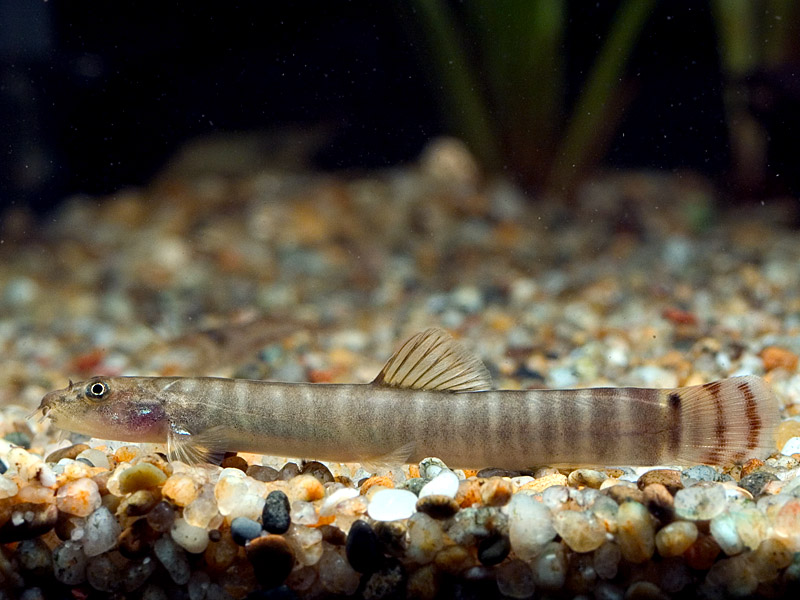
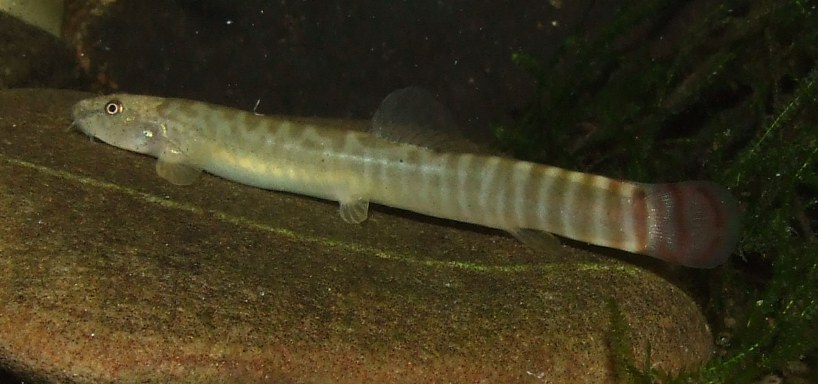
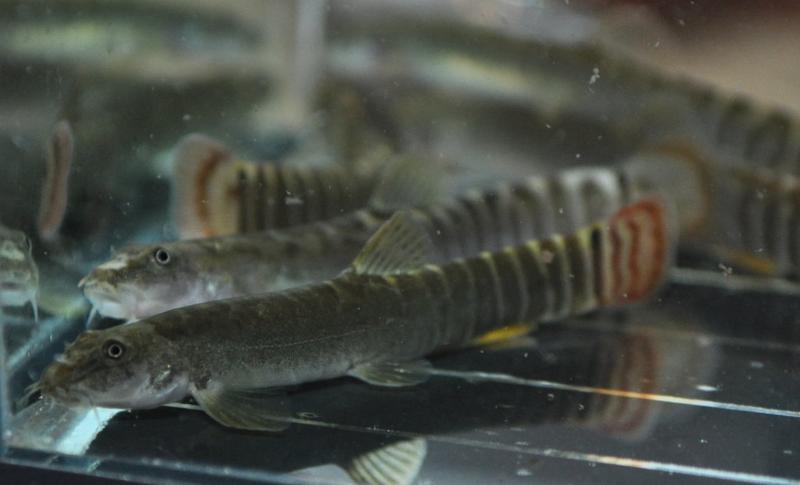
Aborichthys sp. ‘AR01’ 是尚以暂定编号识别的急流条鳅,活跃好探索,进食时尤其忙碌。它并非特别好斗,却不适合普通安静混养缸;流速、增氧和食物竞争都需要与伙伴匹配。
分布与栖息地
已知记录均来自印度西孟加拉邦赖达克一号河流域。该河从不丹流经印度,再入孟加拉国布拉马普特拉河,但这不代表鱼已在三个国家都获得确认。它似乎偏好浅而急的砂砾石底水域,沉水表面可覆有丰富生物膜。
饲养环境
用大小不同的圆石、砂、细砾和较大水磨石构成河流布局,沉木枝条提供缝隙及阴影。由于同属鱼有挖掘习惯,重石应先直接安放在缸底,再铺底砂,避免被掏空后倒塌。
不耐有机污染积累,水必须清洁、溶氧高且流动充分,可用外滤和造流配合。多数水草不适应这种环境,强健附生植物可固定在石木上。
食性与喂食
天然食物可能以昆虫幼体、蠕虫、甲壳类及其他浮游动物为主。缸中可吃干粮,但仍需规律搭配小水蚤、丰年虾、红虫等活饵和冷冻饵。投食后常迅速活跃,动作慢的伙伴容易受压或抢不到食物。
习性与混养
至少六尾的松散群体较合适,布局充分时同种争执通常可管理。可考虑耐流、动作敏捷的小型鲤科鱼、适合相同环境的虾虎或溪流鲶鱼。避开长鳍、迟缓和安静底栖鱼;其他条鳅也可能起冲突,不能仅按“都是急流鱼”就认定安全。
雌雄区分
成年雌鱼预计略大且更饱满,但其他可靠外观差异尚未确认。
繁殖
尚无水族箱繁殖记录。
补充说明
贸易中常被套用另一种名称,但已知产地、色彩和斑纹均有差异。保留 AR01 编号有助于避免把暂定类型与已命名种混在一起。
图片
图片来自 SeriouslyFish,版权归各摄影者所有。
English
Overview
An apparently undescribed stream loach, Aborichthys sp. ‘AR01’ actively explores its surroundings and becomes especially energetic around food. It is not exceptionally aggressive, but current, oxygen needs, and feeding competition make it unsuitable for a quiet general community.
Distribution & habitat
Confirmed localities lie in the Raidak I basin of West Bengal, India. The river itself links Bhutan, India, and Bangladesh, but fish records do not establish occurrence in all three countries. It apparently uses shallow, fast stretches over gravel and small rocks, whose surfaces can support rich biofilm.
Aquarium setup
Build a river-style layout from mixed rounded rocks, sand, fine gravel, and larger worn stones. Branches create crevices and shaded retreats. Because related loaches dig, place heavy structures directly on the base before adding substrate to prevent undermining.
Keep water clean, oxygen-rich, and well circulated, using suitable filtration and pumps. Organic waste accumulation is poorly tolerated. Robust attached plants can work where more delicate vegetation struggles.
Diet & feeding
Its natural diet probably centers on insect larvae, worms, crustaceans, and other small animals. Dry food is accepted, with regular small live or frozen foods such as water fleas, Artemia, and bloodworms. Rapid feeding activity can stress slower companions or leave them without food.
Behaviour & compatibility
A loose group of at least six is appropriate, with enough structure to manage normal disputes. Active current-tolerant cyprinids and suitable stream gobies or catfish are possible companions. Avoid long-finned, slow, or placid bottom-dwelling fishes. Other loaches may still quarrel despite sharing current requirements.
Sexual dimorphism
Adult females are expected to be slightly larger and fuller-bodied; additional dependable differences are unconfirmed.
Breeding
Aquarium breeding is unreported.
Notes
It is frequently sold under another species name despite differences in locality and pattern. Retaining the AR01 designation helps distinguish this provisional form from named relatives.
来源
- https://www.seriouslyfish.com/species/aborichthys-sp-ar01(抓取于 2026-10-10)
aborichthys-sp-ar01 · 文件: data/species/aborichthys-sp-ar01.md · 状态: 草稿