长体阿波鳅 · Red-Tailed Squirrel Loach
概要
| 字段 | 值 |
|---|---|
| 类别 | 鱼 |
| 学名 | Aborichthys elongatus |
| 别名 | 長體阿波鰍、Indische Rotflossenschmerle |
| 分类 | 鲤形目 Cypriniformes › 条鳅科 Nemacheilidae › Aborichthys |
| 水体 | 淡水 |
| 原产地 | 印度西孟加拉邦大吉岭地区,提斯塔河支流 |
| 成体体长 | 7.5 cm |
| 饲养难度 | 中等 |
| 最小水体 | 54 L |
| 最小缸长 | 60 cm |
| 群居方式 | 群游 |
| 水流偏好 | 高 |
| 外部数据 | seriouslyfish aborichthys-elongatus;fishbase 24516 |
| 游动层 | 底层 |
水质参数
| 参数 | 耐受范围 | 最适范围 | 单位 |
|---|---|---|---|
| 水温 | 15–21 | — | °C |
| pH | 6.5–7.5 | — | — |
| 总硬度 | 5–12 | — | dGH |
概述
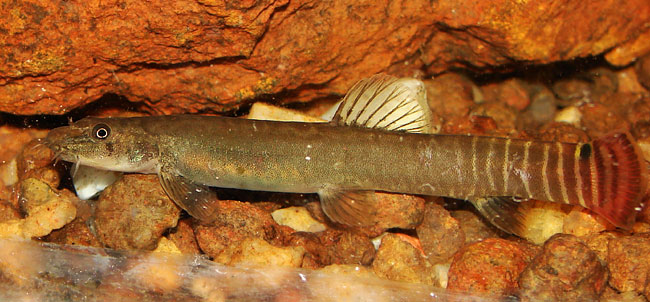
长体阿波鳅(Aborichthys elongatus)体形细长,适合洁净、凉爽、富氧的溪流缸。它爱钻缝和翻挖底砂,饲养重点是稳固的石木结构与充足活动空间,而不是放进普通温暖静水混养缸。
分布与栖息地
真正的本种来自印度西孟加拉邦大吉岭地区,自西瓦利克山地流下的小河溪流,包括提斯塔河的若干支流。贸易中同名鱼不少采自更低海拔区域,可能属于其他种。
野外栖息在浅而湍急的溪流中,底部由岩石、卵石及其间的砂砾组成,鱼生活在石块形成的缝隙和洞穴网络里。水草不多,浸水表面可有藻类及其他微生物组成的生物膜。
饲养环境
群养缸底面积从约 60 × 30 cm 起步,用大小不一的圆石、砂和细砾,加根木枝条形成洞穴与阴影。它会挖掘,因此重物要先稳放缸底,再铺底砂,避免结构被掏空。
需强过滤、明显水流及充足溶氧,严防有机污物积累。环境比许多同科鳅类偏凉。可将耐受水流的附生植物固定在硬景上,不必追求密植底床。
食性与喂食
自然食物可能以昆虫幼虫、蠕虫、甲壳类及其他浮游动物为主。缸内可接受干饲料,但还应定期提供水蚤、丰年虾、红虫等活饵或冷冻饵。觅食非常积极,投喂会引发迅速活动,慢吞吞的邻居容易受扰或抢不到食物。
习性与混养
不算特别凶猛,却有专门的水流和温度需求。避免游速慢、长鳍鱼及过分温顺的底栖鱼;更适合同样适应溪流环境的活跃小型鱼、虾虎鱼、鲶鱼或合适鳅类,仍需逐一核对相容性。
与同类属于松散相处,建议至少六条,借助充足洞缝与视线阻隔分散冲突。追逐争执并不少见,布置充分时通常可控。
雌雄区分
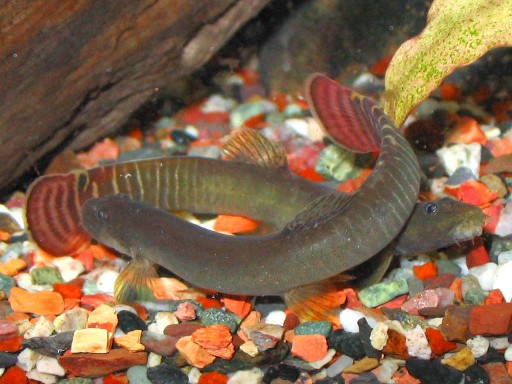
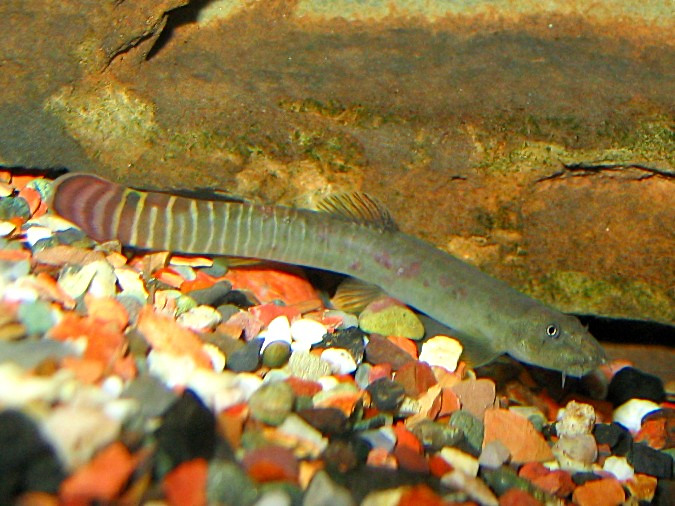
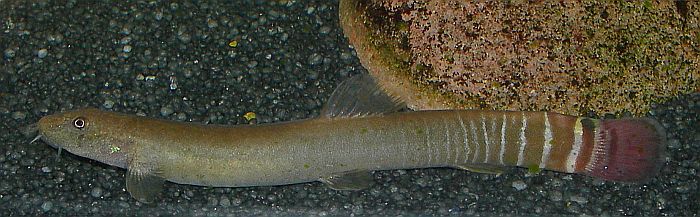
成年雌鱼预计比雄鱼更饱满,但基本斑纹相同。横纹更多、尾鳍带深色块的近似鱼不能仅据此当成雌鱼,可能是另一个未描述种。
补充说明
购鱼时尤其要核对产地与外形,低海拔采集的同名鱼未必就是本种,不宜直接套用其需求。
图片
图片来自 SeriouslyFish,版权归各摄影者所有。
English
Overview
Aborichthys elongatus is an elongated loach for cool, clean, oxygen-rich stream aquariums. It explores crevices and excavates the substrate, making stable rockwork and a network of shelters central to its care.
Distribution & habitat
The true species comes from Darjeeling District in West Bengal, India, in hill streams draining toward the Teesta. Many fish sold under this name are collected at lower elevations and probably represent other species.
It occupies shallow, fast streams, living within cavities between rocks and cobbles above patches of sand and gravel. Aquatic plants are scarce, although submerged surfaces may carry a rich film of algae and microorganisms.
Aquarium setup
Provide a group with a footprint of at least about 60 × 30 cm. Combine rounded stones of different sizes with sand, fine gravel, and branching wood to form shaded passages. Place heavy objects securely on the tank base before adding substrate, because digging can undermine them.
Strong filtration, substantial circulation, and high oxygen levels are needed, while organic waste must not build up. Conditions should be cooler than those used for many related loaches. Hardy attached plants can be fixed to the hardscape where suitable.
Diet & feeding
The wild diet probably consists largely of insect larvae, worms, crustaceans, and other zooplankton. Provide dry foods alongside regular small live or frozen offerings such as water fleas, brine shrimp, and bloodworms. Feeding triggers vigorous activity that may unsettle slower companions or leave them without a share.
Behaviour & compatibility
Although not exceptionally aggressive, this loach has specialized environmental needs. Avoid slow, long-finned fishes and very placid bottom dwellers. Other stream-adapted fishes, suitable gobies, catfishes, and loaches may work, but assess each choice individually.
Keep at least six with numerous shelters and broken sight lines. Their social organization is loose, and chasing or squabbling is normal; a well-structured aquarium usually keeps it manageable.
Sexual dimorphism
Adult females are expected to be fuller-bodied, with the same basic pattern as males. Extra body bars and dark tail blotches should not be interpreted as female markings: such fish may belong to an undescribed species.
Notes
Check identity and collection locality carefully. Lower-elevation fish traded under the same name may have different requirements.
来源
- https://www.seriouslyfish.com/species/aborichthys-elongatus(抓取于 2026-10-10)
aborichthys-elongatus · 文件: data/species/aborichthys-elongatus.md · 状态: 草稿